

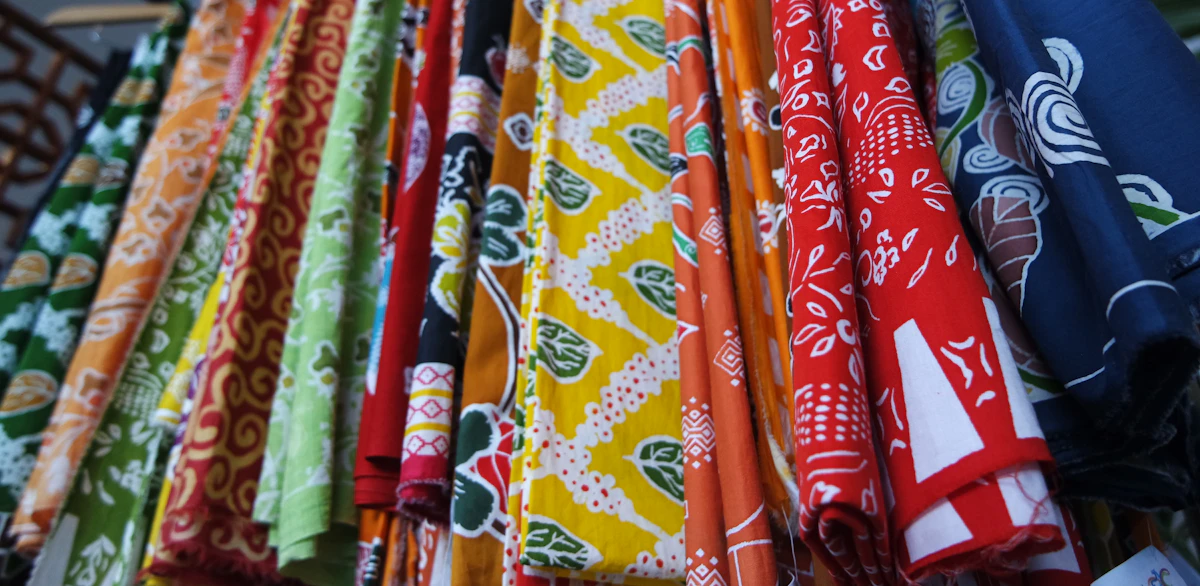
Batik is one of Malaysia’s most recognisable crafts, worn at weddings, offices and festive gatherings across the country. But not every piece of patterned fabric labelled “batik” is made the traditional way. This Malaysian batik guide explains how batik is made, how to tell a handmade piece from a printed one, and where you can watch artisans at work.
Malaysian Batik Guide: What Makes Batik, Batik
At its heart, batik is a resist technique. Wax or another resist material is applied to cloth, which is then dyed, so the covered areas keep their original colour. The process is repeated to build up layers of colour and pattern.
Kraftangan Malaysia, the national handicraft agency, has described batik as fabric “created through the process of applying batik wax or other materials and using colour-resist techniques”, in the words of its senior director of design and research, Khairul Hafizi Naharuddin, as reported by the New Straits Times.
1. Canting Batik Is Drawn by Hand
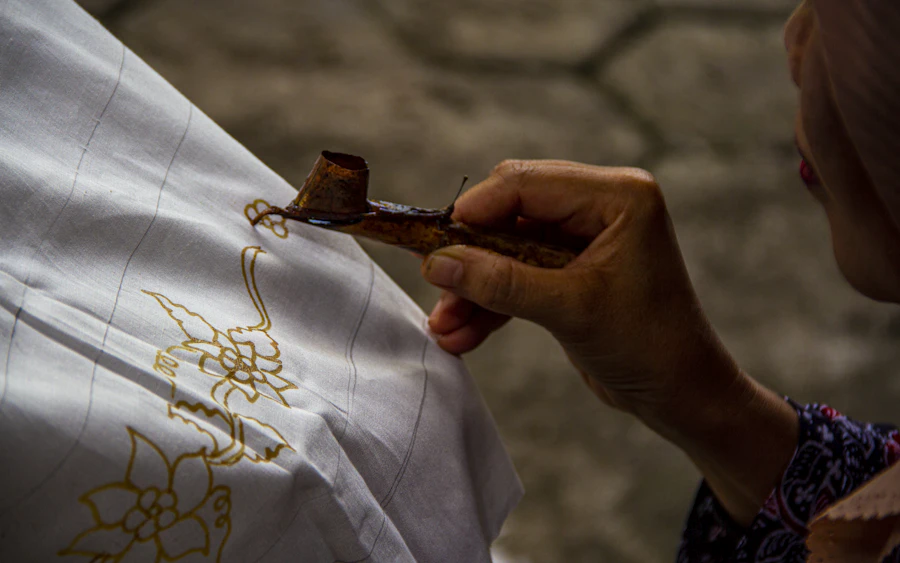
Canting batik is made with a small pen-like tool that holds hot wax. Artisans draw designs freehand, layer by layer, which takes considerable time and skill. Flowing floral and leaf motifs are common, and no two pieces turn out exactly alike.
2. Block Batik Uses Stamps
Block batik, also known as batik cop, uses metal or wooden blocks dipped in wax and stamped onto cloth to create repeating patterns. It is faster than hand-drawing but still a handmade process, and the slight variations between stamps give each length of cloth its own character.
3. Printed Fabric Is Not Authentic Batik
Under Kraftangan Malaysia’s standards, only wax-resist techniques such as canting and block printing qualify as authentic batik, The Star reported in July 2026. Machine-printed fabric with batik-style patterns does not count.
That does not mean printed fabric is off-limits. Hairul Nizam Mohd Amran, general manager of Karyaneka Sdn Bhd, a Kraftangan subsidiary, said printed batik is not discouraged “as long as they continue to appreciate and support Malaysian batik.”
4. How to Spot a Handmade Piece
This Malaysian batik guide suggests a few simple checks:
- Look at the back of the cloth. On handmade batik, the colour usually soaks through, so the pattern looks almost as strong on both sides.
- Check for small irregularities in lines and colour, a sign of handwork rather than a machine.
- Ask the seller which technique was used, and buy from artisans, craft centres or trusted outlets when you can.
As Abdul Halim Ali, deputy director-general (development) of Kraftangan Malaysia, put it: “Handmade Malaysian batik is like a fingerprint, with each piece being unique.”
5. Why Handmade Batik Costs More
Malaysian batik makers typically work in small teams of around 10 skilled artisans, and much of the fabric and many dyes are imported. Kraftangan had 728 active registered batik artisans as of May 2026. “Production is therefore very limited. Labour costs are also a challenge,” Hairul said.
To make handmade batik more accessible, Karyaneka launched the Batik Rahmah initiative, offering handcrafted batik priced below RM100.
6. Where to See Batik Being Made
No Malaysian batik guide is complete without a workshop visit, and many batik centres welcome visitors. In Johor, Rumah Batik Sri Wangsa in Mersing has offered canting workshops since 2025 and creates motifs inspired by local produce such as pineapples and black pepper, according to Malay Mail. Owner Nadia Mohd Fuzi said about 80 per cent of the centre’s visitors are international tourists.
In Kuala Lumpur, Karyaneka at Kompleks Kraf Kuala Lumpur is a good starting point for seeing and buying Malaysian crafts, including batik. Kraftangan has also marked Batik Day on 3 December with special sales and activities in past years.
Wear It With Pride
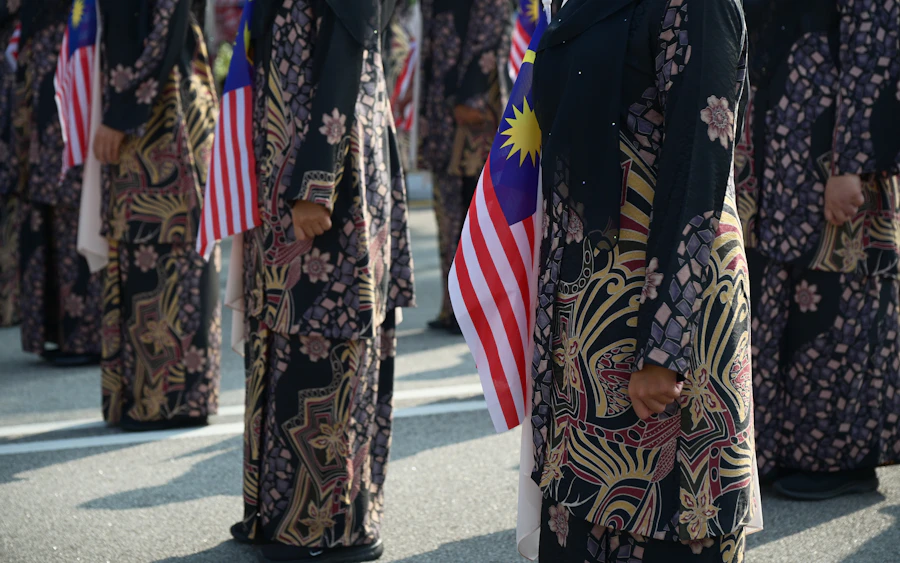
Choosing Malaysian batik supports a community of artisans keeping a living tradition alive. With this Malaysian batik guide in hand, whether you invest in a hand-drawn sarong, pick up an affordable block-printed shirt or try your own hand with a canting at a workshop, every piece helps keep the craft going for the next generation.
To learn more about Malaysian batik and the country’s craft heritage, visit the Kraftangan Malaysia official website.