
HOMESOY has joined forces with the National Cancer Society Malaysia (NCSM) under the ‘Stop That Dot Together’ campaign to make breast cancer screening more accessible to underserved communities. Through the partnership, the soya milk brand is supporting community health screening activations at selected locations nationwide and sponsoring 100 complimentary mammograms to help lower-income women access crucial early detection services.
“Far too many women continue to delay screening because of financial constraints or limited access to healthcare services. At HOMESOY, our commitment goes beyond providing healthy nutrition, we care deeply about the well-being of the communities we serve.
Through the ‘Stop That Dot Together’ campaign, we want to walk alongside women, encouraging them to prioritize their health and break down the fears associated with breast cancer screening. By partnering with NCSM, we hope to foster a culture of mutual support where women feel empowered to care for themselves and one another.”
Ms. Chang Wan Ping, Marketing Director of Ace Canning Corporation Sdn. Bhd.

Why Breast Cancer Screening Matters in Malaysia
Breast cancer remains the most common cancer among Malaysian women, accounting for over 30% of all female cancer diagnoses. According to WHO GLOBOCAN 2022, approximately 1 in 20 women in Malaysia will face a breast cancer diagnosis in their lifetime.
While early-stage detection yields a five-year survival rate exceeding 90%, the Malaysian National Cancer Registry Report highlights that nearly half of all breast cancer cases in Malaysia are diagnosed at late stages (Stages 3 and 4), when five-year survival rates drop drastically. Financial constraints, limited access to healthcare services and low awareness continue to keep many women, particularly those in underserved and B40 communities, from timely breast cancer screening.
Bringing Breast Cancer Screening to Communities in Six States
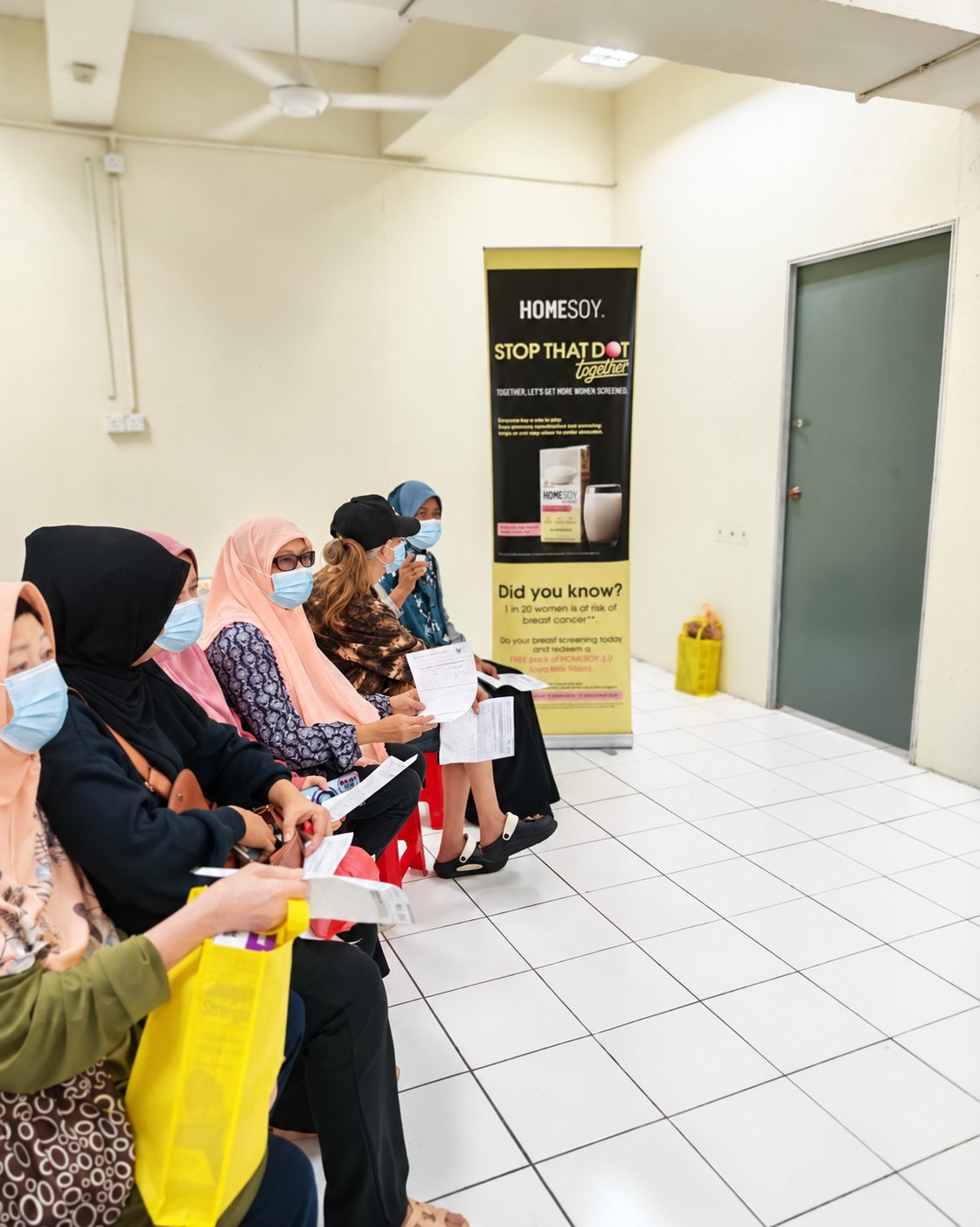
Running from October to December 2026, the outreach initiative aims to bridge this critical gap across Kuala Lumpur, Johor, Melaka, Negeri Sembilan, Perak and Pulau Pinang. As part of the collaboration, participants undergoing a Clinical Breast Examination (CBE) will receive HOMESOY 3.0 Soya Milk to encourage health awareness and proper nutrition.
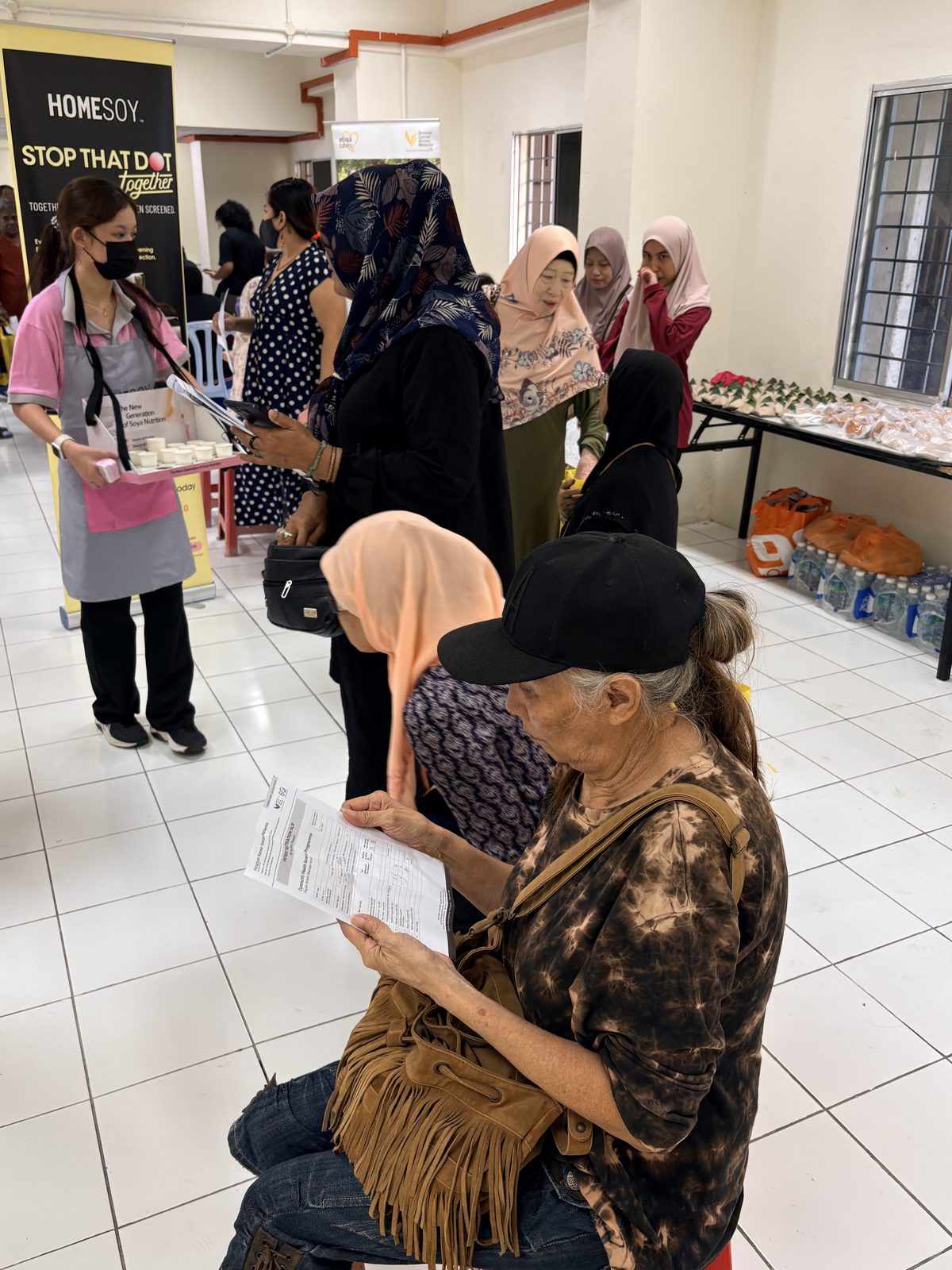
“Financial limitations and lack of localized access remain the biggest reasons why women from underserved communities delay breast cancer screening until late stages. Our collaboration with HOMESOY enables NCSM to bring mobile clinical check-ups directly to housing communities and fund 100 free mammograms through the Adopt-A-Mammogram Programme.
Ensuring equal access to early detection tools is essential because a woman’s socio-economic status should never determine her chances of surviving cancer.”
Kol. Bersekutu (PA) Prof. Dr. Murallitharan Munisamy, Managing Director of NCSM
Debunking Soya Milk and Breast Cancer Myths
Beyond supporting health screenings and community activations, the partnership also provides a platform to address widespread dietary myths surrounding soya milk and breast cancer.
“Soya does not cause breast cancer; in fact, studies consistently show higher soya intake may offer a protective effect. While a common misconception arose due to isoflavones — a type of phytoestrogen — they are not the same as human estrogen and do not act in the body to increase risk. Enjoying high-quality fortified soya milk is safe and provides wonderful daily nutrition.”
Ms. Soo Sek Yow, Head of Nutrition Unit at Ace Canning Corporation Sdn. Bhd.
Formulated to support everyday women’s wellness, HOMESOY 3.0 contains complete protein, dietary fibre, calcium and vitamin D, providing nutritional support as part of a balanced diet and healthy lifestyle.
Encouraging Women to Prioritise Breast Health
Through this collaboration, HOMESOY and NCSM hope to encourage more women to prioritise breast health, go for regular breast cancer screening and take proactive steps towards early detection. For more information, visit the HOMESOY ‘Stop That Dot Together’ campaign page.
Read also: Same Diagnosis, Different Journey: Why Breast Cancer Care Is No Longer One-Size-Fits-All