


Artificial intelligence (AI) is already changing how consumers search for products, compare options, and make purchasing decisions. The next step may be less visible but potentially more consequential: allowing AI tools to carry out parts of the purchase journey within instructions set by the customer.
Often described as agentic commerce, the model could allow AI tools to move beyond helping consumers decide what to buy and support actions such as placing an order or initiating payment within agreed parameters.
This is emerging in a Malaysian payments market that is already highly digital, where e-payment transactions grew 25% to 18.4 billion in 2025.
For the payments industry, that raises a practical question. If a customer is not manually confirming every step of a transaction, how do merchants know that the purchase still reflects what the customer intended?
According to Eng Sheng Guan, CEO of Fiuu, the fundamentals of payments do not change simply because more of the purchase journey becomes automated.
“Customers still need confidence that every transaction is authorised, secure and reliable. As AI plays a greater role in facilitating purchases, the important thing is ensuring that it acts with the customer’s permission and within clearly defined limits.”
Permission Becomes Part of the Payment Journey
Agentic commerce could change the conventional sequence of choosing a product and confirming payment. A customer might instruct an AI tool to purchase a particular item within a set price range, or book a service if certain timing and cost conditions are met.
“The first consideration should be customer permission,” Eng said. “Customers need to understand what they are allowing an agent to do and have the ability to change or withdraw those permissions for future purchases.”
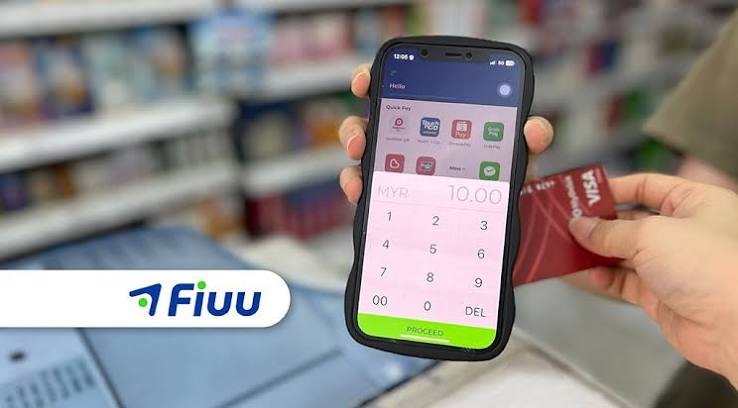
He added that identifying the customer and obtaining payment approval are important, but neither necessarily establishes the full scope of what an AI tool has been authorised to do.
That distinction matters when circumstances change. If a product exceeds the agreed price, a preferred option is unavailable, or the terms of a purchase materially change, businesses may need to decide whether the transaction can proceed or whether the customer should be brought back into the decision.
Keeping the Experience Simple
After years of moving towards faster, more seamless checkout experiences, greater automation should not reverse that progress by adding unnecessary friction. Instead, the challenge will be making the safeguards around automated purchases more intelligent and contextual.
This could involve clearer signals around authorised activity, secure payment credentials, consistent risk controls, and reliable transaction records, ideally kept in the background so the customer experience stays simple.
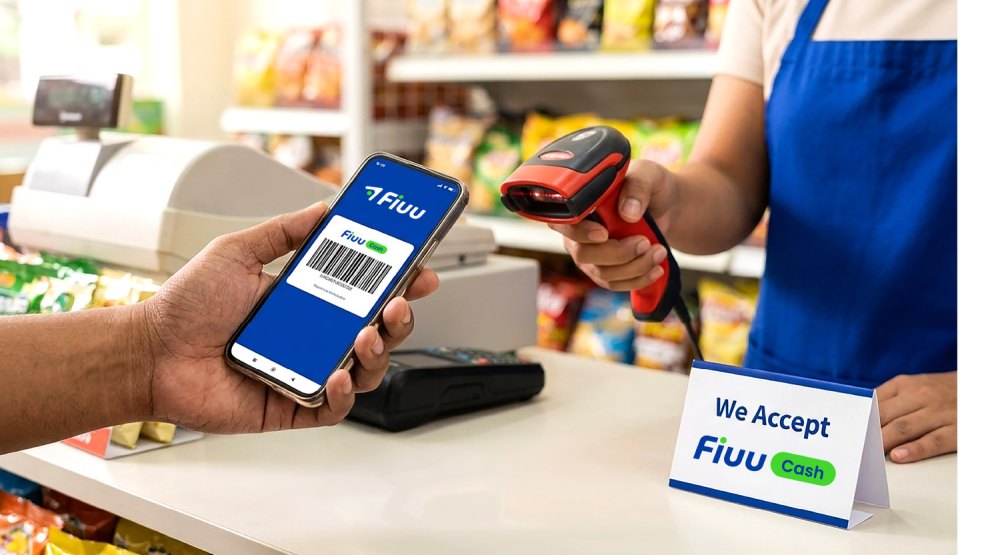
Eng added, “As more of the purchase journey becomes automated, payments should still feel straightforward to the customer. If something goes wrong, there also needs to be a clear route to assistance with merchants, platforms, and payment providers understanding their respective responsibilities, and having a reliable record of what happened.”
Where Could Businesses See Agentic Commerce First?
Agentic commerce is still evolving, so businesses do not need to overhaul their payment environments yet. A practical starting point is to consider where automation could realistically fit in the customer journey.
Repeat purchases and travel may be among the first areas where these models emerge. A customer could, for instance, specify an acceptable price, preferred timing, and alternative options for a service such as an airport transfer.
The important question is where the boundary sits. Some changes may remain within the customer’s original instructions, while others may require a fresh decision. Establishing that boundary will help businesses determine how much of a purchase can responsibly be automated while keeping the customer in control.
A Regional Interoperability Question
For Southeast Asia, agentic commerce also raises a wider issue. Consumers across the region use different combinations of cards, digital wallets, bank transfers, QR systems, and domestic payment schemes, while approval requirements and regulatory expectations differ between markets.
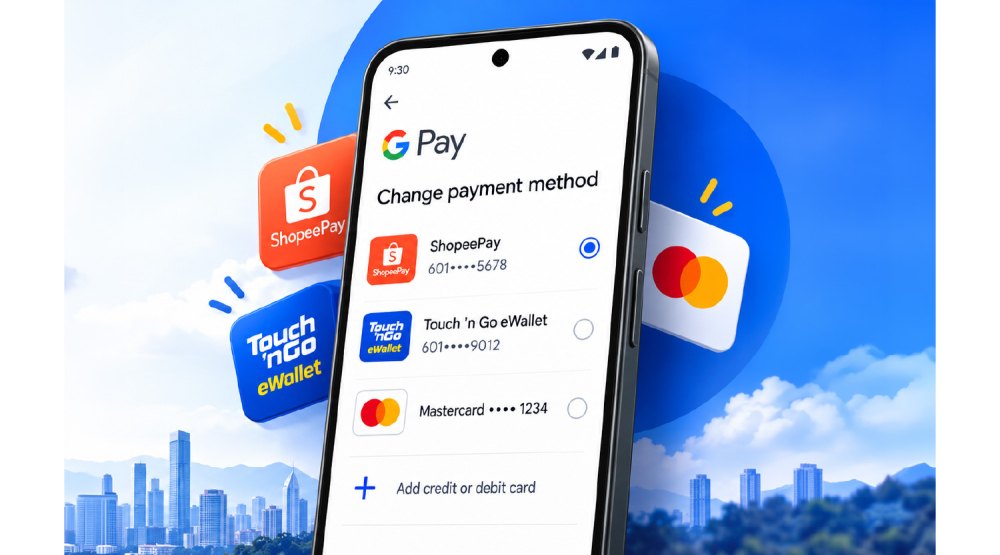
As businesses serve more customers across borders, the question is whether the payment ecosystem can support this consistently across different methods and markets.
“The long-term value of agentic commerce will not come from automation for its own sake. It will depend on whether we can make these new experiences easier to support while keeping customer permission, control, and payment security clear throughout the transaction,” Eng elaborated.
As agentic commerce takes shape, that balance may prove more important than speed alone.
About Fiuu
Established in 2005, Fiuu, formerly known as Razer Merchant Services (RMS), is one of the largest O2O (offline to online) digital payment networks in emerging markets, with a Total Payment Volume of over US$13 billion for FY2025 and support for over 110 payment methods. For more information, visit fiuu.com.