

A Galaxy Watch blood oxygen reading changed how a Mexican emergency doctor treated his own mother, pointing him to a breathing problem when he had first suspected a stroke. Samsung Malaysia is sharing the story of Dr José Elías Ortega, 37, as part of Voices of Galaxy, a series of real stories from Galaxy users around the world.
The story is also a useful reminder of where a wearable helps and where it stops.
Galaxy Watch blood oxygen and health tracking at a glance
- Models in Malaysia: Galaxy Watch9 (40mm and 44mm, Bluetooth or LTE) and Galaxy Watch Ultra2 (47mm)
- Official prices: Galaxy Watch9 from RM1,499 (40mm Bluetooth) to RM1,899 (44mm LTE); Galaxy Watch Ultra2 at RM3,399
- Health tracking: Vitals reads heart rate, heart rate variability, respiratory rate, skin temperature and blood oxygen saturation during sleep
- What you need: an Android 13 phone or later, the Samsung Health app and a Samsung account; Vitals needs at least seven nights of sleep data
- Important: Samsung says these features are for general wellness only, not for diagnosing or treating any medical condition
A morning after a night shift
For years, Dr José used his watch for the basics: step counts, notifications and the time. That changed a few years ago when he visited his mother, who lives alone, straight after a night shift at the hospital.
He found her on the floor. She was trying to get up but could not focus her eyes or answer him. His medical training told him it looked like a stroke.
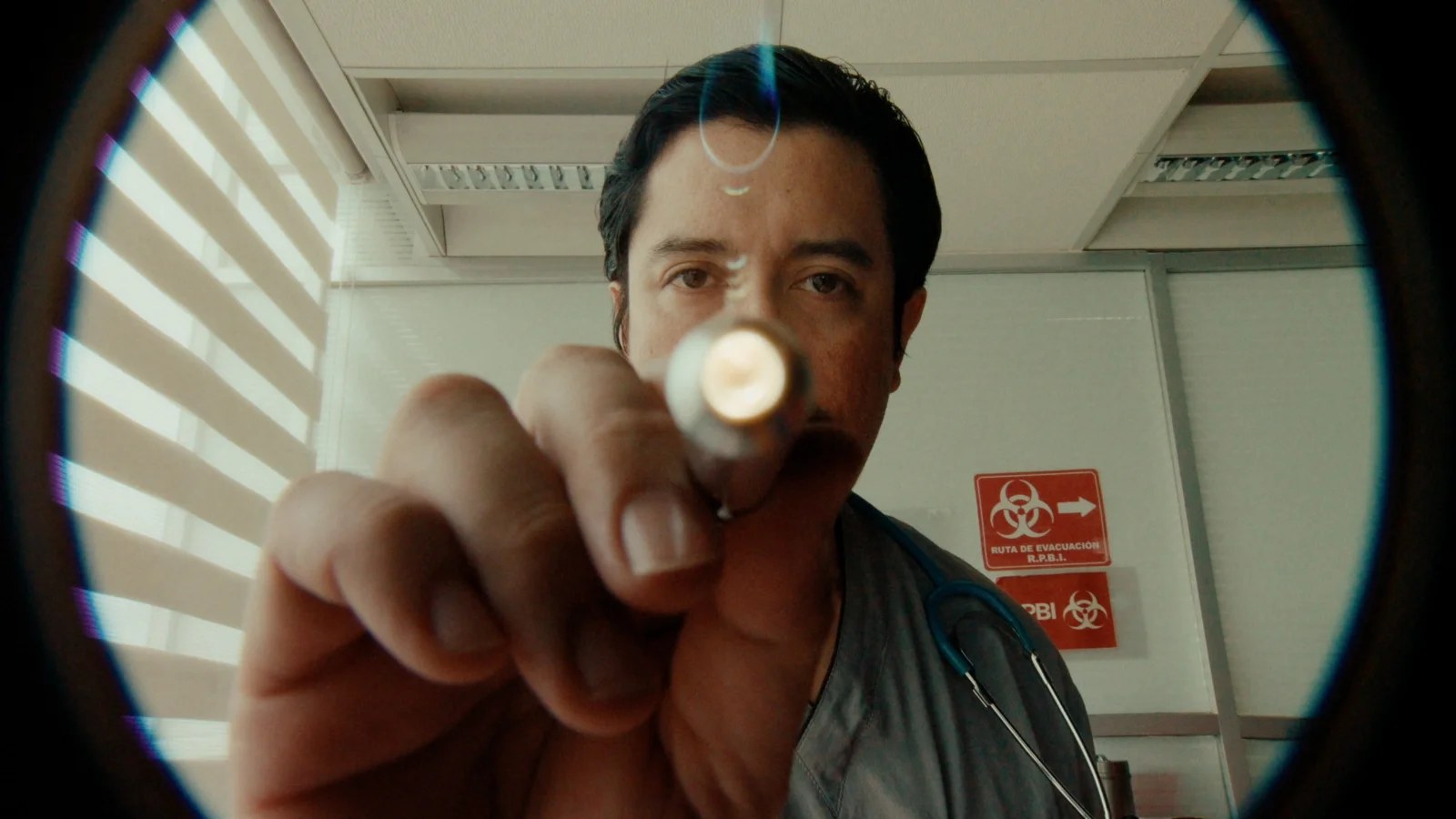
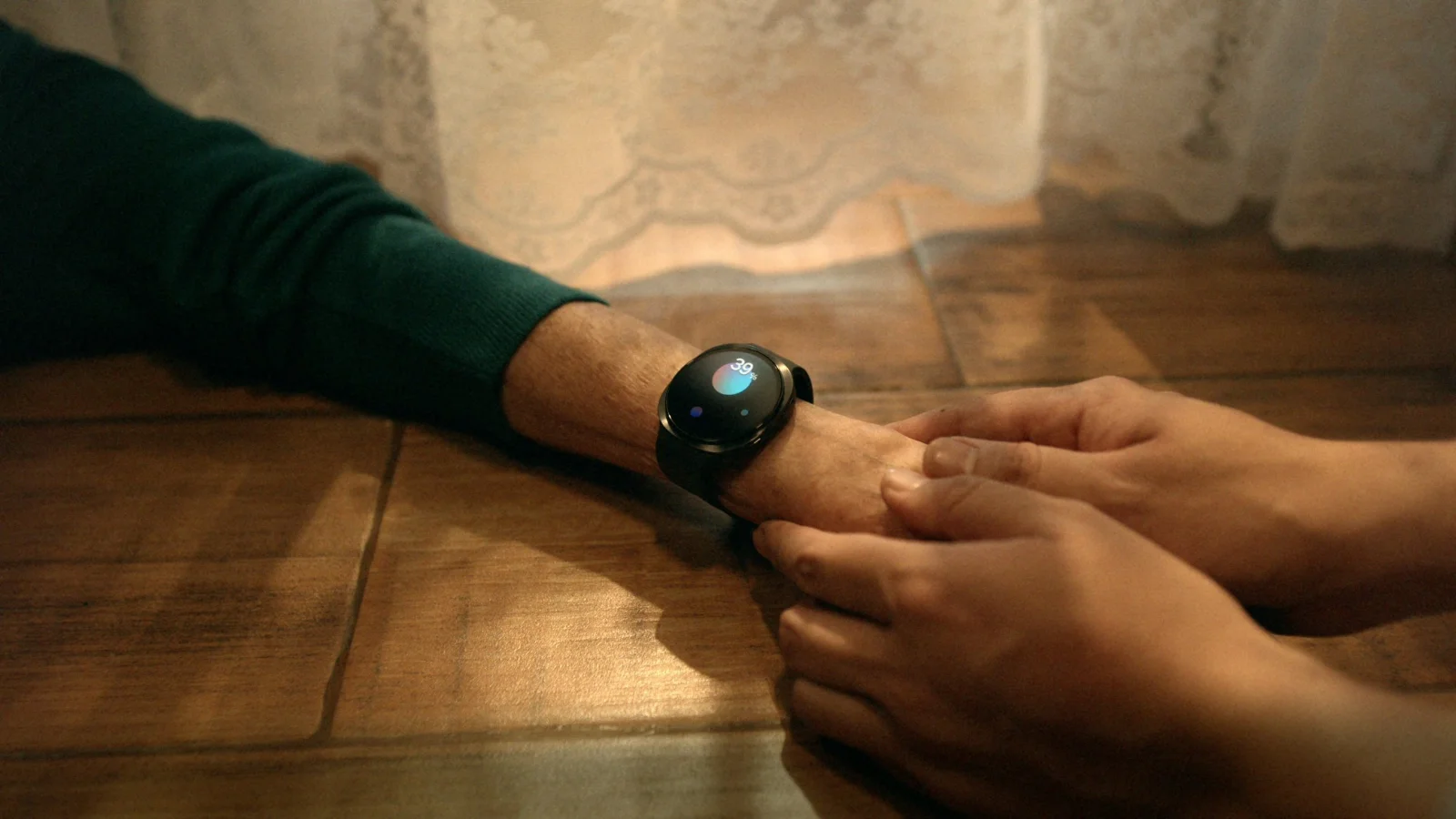
He then took off his Galaxy Watch and strapped it to her wrist to check her vital signs. The watch showed that her oxygen saturation was below normal. That one number shifted his assessment from the brain to the lungs.
He gave her oxygen and took her to hospital. Doctors there diagnosed influenza-related pneumonia. She stabilised and was later sent home.
“If I hadn’t had the watch on hand … we wouldn’t have realised her problem was respiratory.”
Dr José Elías Ortega, emergency physician
Using the same data for his own health
The episode was not the only time the watch mattered to him. Dr José has since been through thyroid cancer, and he says the watch helped him build better sleep and activity habits along the way.
For him, both experiences come down to the same point: catching health signals that are easy to miss. He does not see the watch as a replacement for a doctor. He sees it as a prompt to get checked sooner.
What it means for you
- Treat a reading as a clue, not a diagnosis. Samsung states the watch is not intended to diagnose or treat any medical condition. If something feels wrong, see a doctor whatever the screen says.
- Call for help first in an emergency. Dr José had the training and equipment to act on what he saw. Anyone else should call 999 for an ambulance.
- Give it time to learn you. Vitals builds a personal baseline from your sleep data, so wear the watch overnight for at least a week before relying on its alerts.
Samsung’s short film on Dr José’s story is on YouTube. Prices and the full specifications for both watches are on Samsung Malaysia’s website. Also on RiseMalaysia: the Samsung Health Together Challenge.
Samsung Electronics makes smartphones, wearables, TVs, home appliances and chips; more at Samsung Newsroom Malaysia.