
Ever caught your toddler copying the way you talk on the phone? Or watched them drop the same toy for the tenth time, only to laugh when you pick it up again?
As amusing (and sometimes exhausting) as these moments can be, there’s more happening than meets the eye. Behind these everyday antics is a busy little brain learning, experimenting and making new connections, offering fascinating clues about toddler brain development.
Table of Contents
30 Doctors, 30 Brain Facts, 30 Days
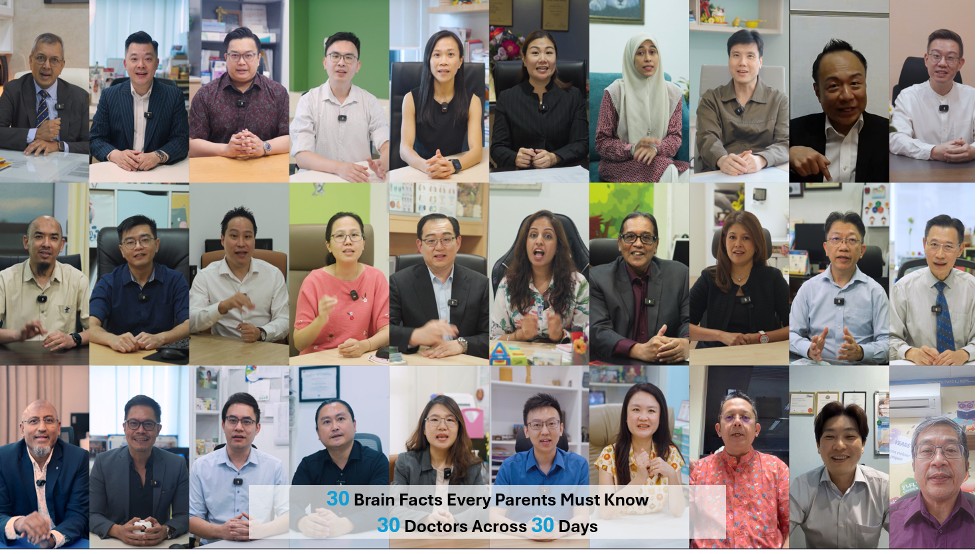
For the 2026 World Brain Day, 30 experts came together to share 30 fascinating brain facts over 30 days, offering parents a glimpse into the remarkable science behind their children’s development.
The initiative, supported by Enfagrow A+, highlighted how some of the most important foundations for learning, communication, problem-solving and emotional development are formed during the early years. And as it turns out, some of the most fascinating signs of brain development are happening right in front of us.
Little Habits, Big Discoveries in Toddler Brain Development
Why does your toddler insist on copying everything you do?
Whether it’s pretending to cook, talking into a toy phone or copying your expressions, imitation is more than just adorable behaviour. As highlighted in the 30 Brain Facts series, children learn by observing others. Simply watching an action helps their brains learn and prepare before attempting it themselves.
And that toy they keep dropping? There’s a reason for that too.
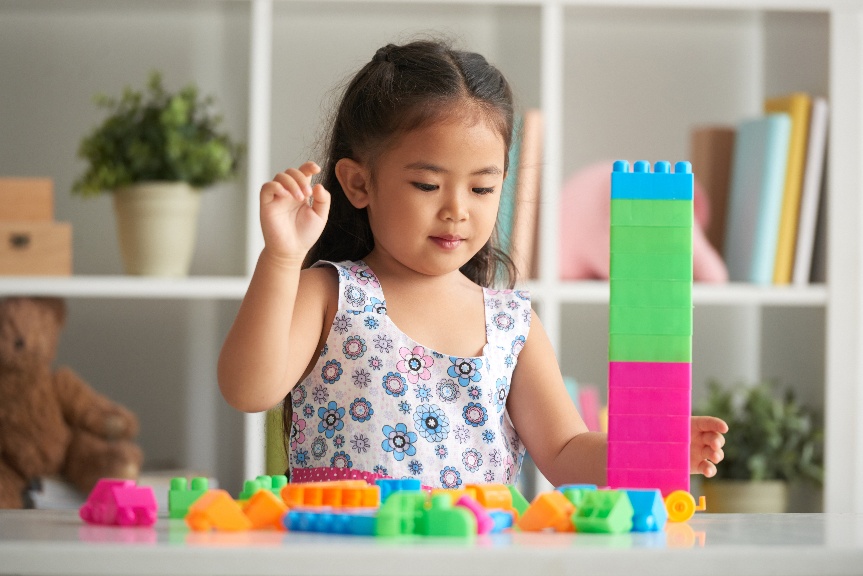
Each time your child drops something and watches what happens, they’re learning cause and effect. Simple activities like stacking blocks, rolling balls and repeating familiar games also help strengthen brain connections.
Even pretend play has a bigger purpose. When a child turns a cardboard box into a car or pretends to serve you tea, they’re beginning to explore symbolic and abstract thinking. Around age two, children may also begin developing an awareness of themselves, an important step in understanding who they are.
By age two, a child’s brain has reached 80% of its adult size, increasing to around 90% by age five. During these early years, the brain can form up to one million new neural connections every second.
The Little Moments That Stay With Parents
For Malaysian singer and celebrity mum Adira Suhaimi, it’s often the simplest parenting moments that leave the biggest impression.
“Kadang-kadang momen yang paling simple itulah yang membuat saya tersenyum sampai sekarang.”
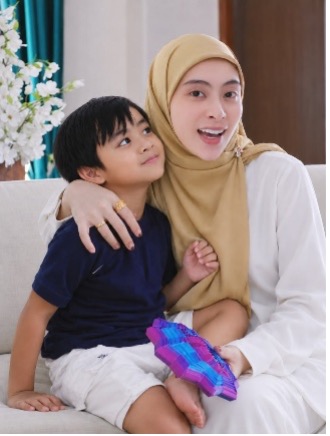
While parents naturally celebrate the milestones they can see, the 30 brain facts shared by experts remind us that much of a child’s brain development is happening quietly in the background.
What’s Happening Behind Those Big Emotions?
Ever wondered why your toddler can go from laughing one moment to tears the next?
It’s all part of toddler brain development. During toddlerhood, the brain areas linked to emotions develop faster than those responsible for self-control and emotional regulation. As a result, children are still learning how to understand and manage their feelings.
As children grow, they gradually develop empathy, memory, language and problem-solving abilities. Even sleep plays an important role, helping the brain process and store what children have learned throughout the day.
A Growing Brain Needs More Than Stimulation
While play, exploration and everyday interactions provide valuable learning opportunities, nutrition is another important part of toddler brain development.
Among the nutrients highlighted by the 30 experts are DHA, an important component of brain structure and function, and Milk Fat Globule Membrane (MFGM), which supports connections between brain cells.
For parents, the message is reassuring: supporting brain development isn’t necessarily about elaborate activities or filling every moment with structured learning. Often, the most meaningful learning happens through everyday opportunities to play, explore, interact and discover the world at their own pace.
Celebrating Little Minds and Big Discoveries
To bring the conversation about brain development closer to Malaysian families, Enfagrow A+ is also organising a contest in East Malaysia (Sabah & Sarawak) from 1 October to 20 December 2026, with participants standing a chance to meet Adira Suhaimi in Sabah in 2027.

Perhaps that’s the most wonderful reminder from the 30 experts and their 30 brain facts: the moments that seem ordinary to us can be extraordinary for a developing child.
For contest details and terms and conditions, visit Enfagrow A+’s Facebook page or the official Enfagrow Malaysia website.
Also read: A Parent’s Guide To Supporting The Kid’s Brain & Gut Health