

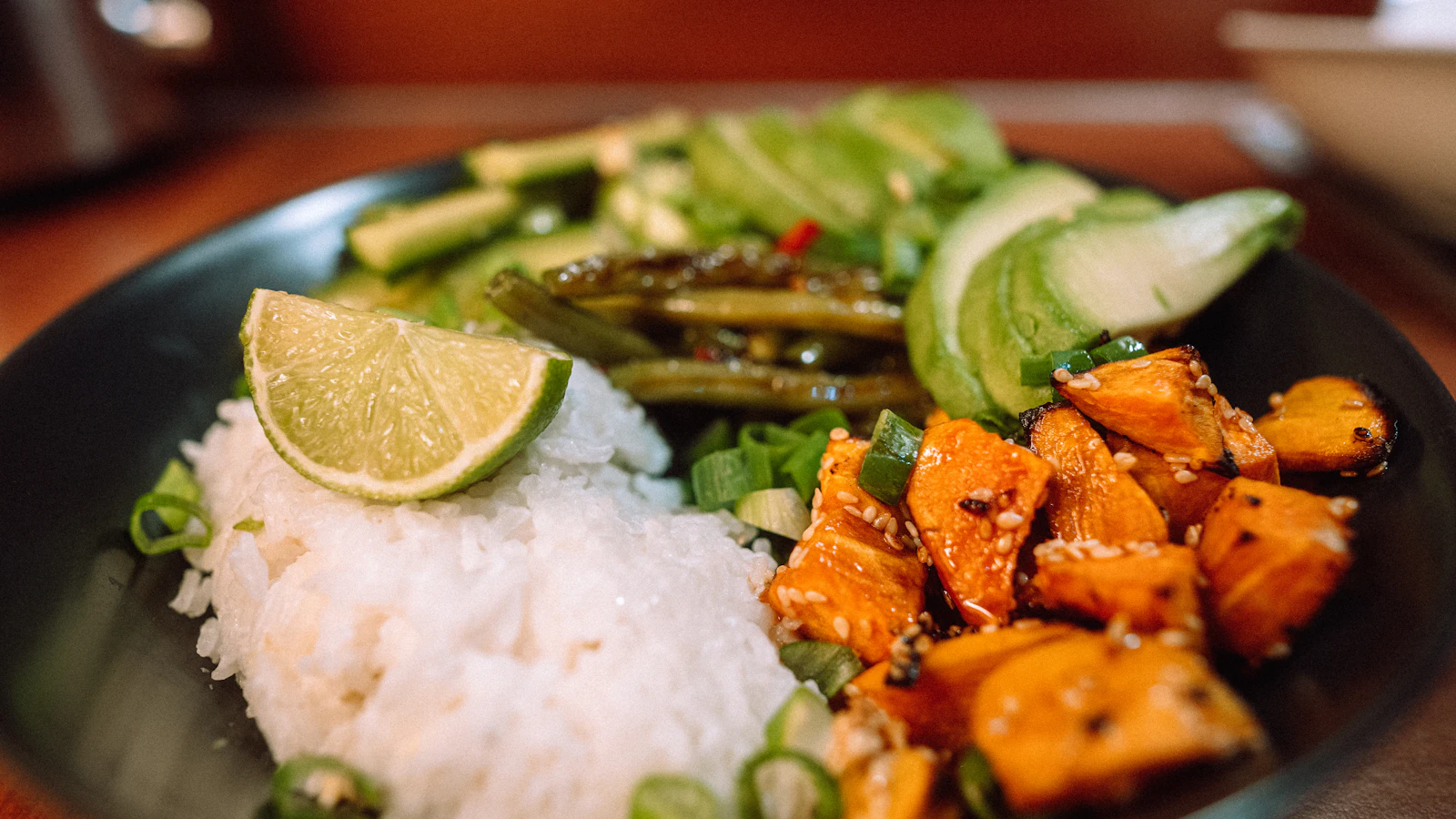
Eating well does not need a complicated diet plan. The Ministry of Health’s Malaysian Healthy Plate, better known as “Suku-Suku Separuh” (quarter, quarter, half), turns national nutrition advice into a picture anyone can follow at every meal.
Here is how the Malaysian Healthy Plate works, and six simple ways to use it, whether you are cooking at home or ordering at the kopitiam. Figures are current as of November 2026.
What Is the Malaysian Healthy Plate?
The Malaysian Healthy Plate is a single-meal guide that shows how much of each food group to put on your plate: half for vegetables and fruit, a quarter for carbohydrates and a quarter for protein. It sits alongside the Malaysian Food Pyramid 2020, which comes from the Malaysian Dietary Guidelines 2020.
The 2020 pyramid moved vegetables and fruit to its base, replacing carbohydrate foods there. According to CodeBlue, the ministry says Suku-Suku Separuh remains central to its public nutrition messaging, and the Nutrition Society of Malaysia has called it “simple, practical, and public-friendly”.
The beauty of Suku-Suku Separuh is that it needs no counting or weighing. A quick glance at your plate tells you whether the balance is right, which makes it easy to teach children and to use at buffets, office canteens and festive open houses alike.
6 Simple Ways to Build a Balanced Meal
1. Fill Half Your Plate With Vegetables and Fruit
This is the biggest section for a reason. The dietary guidelines recommend at least three servings of vegetables and two servings of fruit a day. Ulam, stir-fried greens, sayur lodeh and a slice of papaya or guava after lunch all count.
2. Keep Carbohydrates to a Quarter
Rice, noodles, bread and roti belong in one quarter of the plate. Where you can, choose wholegrain options. The guidelines recommend that at least half of your cereal foods come from whole grains, such as brown rice, oats or wholemeal bread.
3. Make the Last Quarter Protein
Fish, chicken, eggs, lean meat, tofu, tempeh and legumes such as dhal all fit here. Choosing lean cuts and mixing in plant proteins keeps the meal satisfying without excess fat.
4. Eat a Rainbow
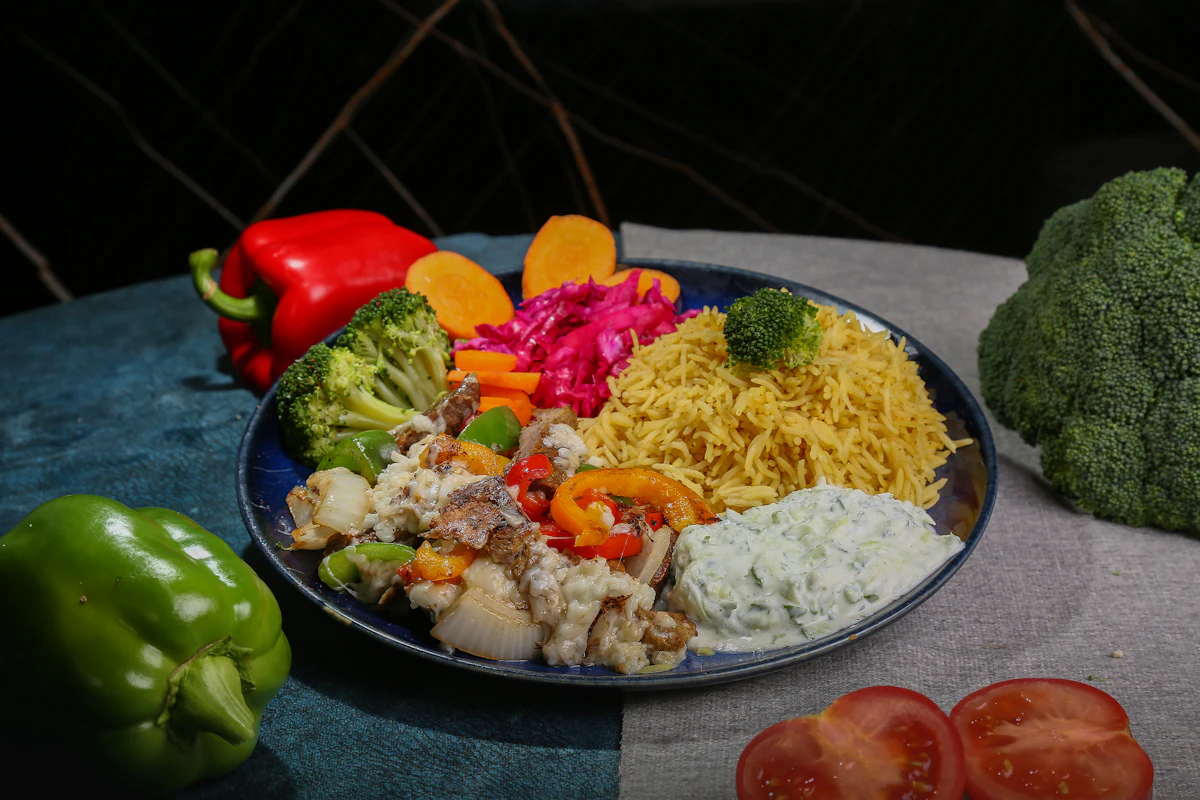
A practical tip from Island Hospital’s guide is to mix colours: red tomatoes, orange carrots, green kangkung, purple brinjal and white cauliflower each bring different nutrients. A colourful plate is usually a balanced one.
5. Choose Plain Water
Plain water is the best drink to go with your meal. If you want something else, unsweetened milk, soy milk or fresh juice are better options than sweetened drinks, though juice should not replace whole fruit because juicing removes fibre. Cutting back on sugary drinks matters for the whole family, especially as type 2 diabetes is now appearing in children.
6. Apply It When You Eat Out
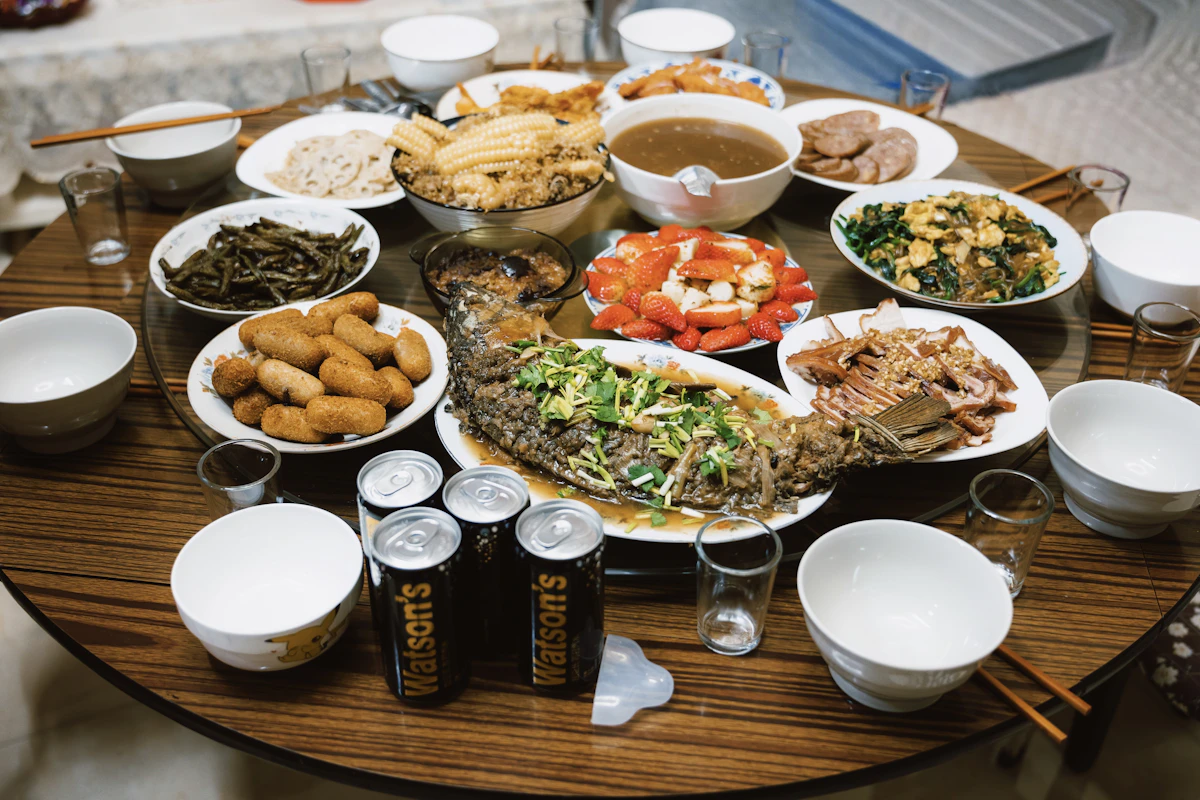
Suku-Suku Separuh works at the nasi campur counter too. Start with a smaller scoop of rice, add two vegetable dishes and one protein. At the mamak, ask for extra bean sprouts in your noodle soup or extra lettuce with your mee goreng. Picking grilled, steamed or stewed dishes over deep-fried ones also helps.
Small Habits That Make It Easier
Plate size matters. Island Hospital suggests a plate of about 23 cm (9 inches) for adults and 18 cm (7 inches) for children, which naturally keeps portions in check.
Cooking methods matter too. Steaming, baking, grilling, blanching, poaching and braising keep flavour while using less oil. The guiding idea is balance, moderation and variety rather than cutting out any food group.
Most importantly, the plate is a guide, not a rulebook. Using it for one meal a day is a good start, and families can build the habit together, letting children help choose the colours for dinner. Schools are joining in too, with programmes that help healthy eating habits take root early.
For the full Malaysian Food Pyramid and dietary guidance, visit the Ministry of Health Malaysia Nutrition Division.