
The Johor Bahru–Singapore Rapid Transit System (RTS) Link is set to start carrying passengers in February 2027. Transport Minister Anthony Loke has said physical works will be completed by 31 December 2026, followed by final testing and approvals. For Malaysians who cross the Causeway for work, study or family, the 4km RTS Link promises a quicker, more predictable trip between the two cities.
RTS Link: 7 Essential Things to Know Before It Opens
1. Opening is set for February 2027
Loke said the February timing was agreed with Singapore, moved from January to allow independent safety certification and final regulatory approvals. “The February opening should not be regarded as a delay,” he said, as reported by paultan.org. October to December is set aside for integrated systems testing, covering signalling, passenger management and train operations. The exact date will be announced jointly by both countries.
2. Two stations and a five-minute ride
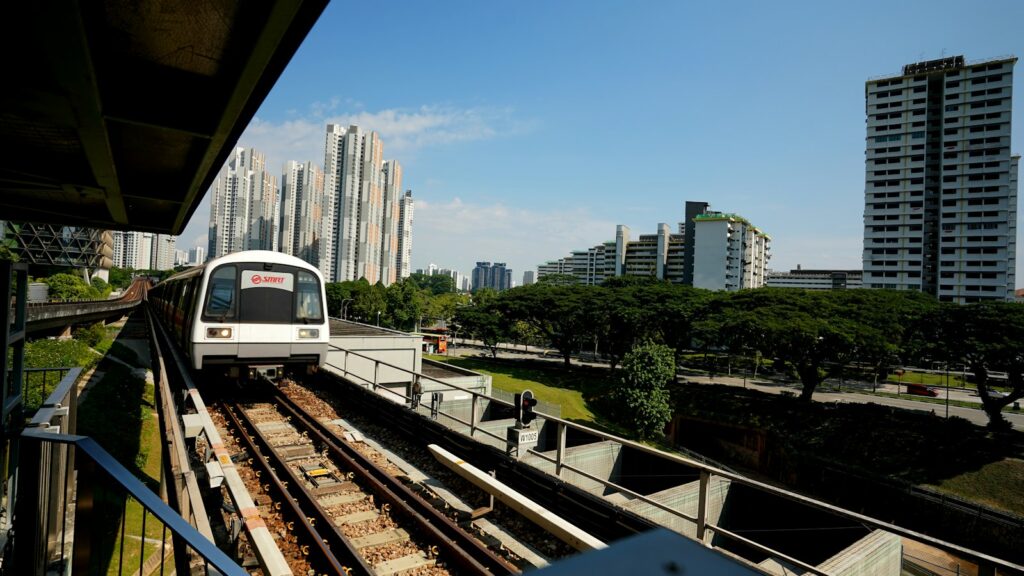
The twin-track RTS Link runs about 4km between Bukit Chagar in Johor Bahru, near JB Sentral, and Woodlands North in Singapore. About 2.3km of the route is in Malaysia and 1.7km in Singapore. The planned journey time is about five minutes.
3. Clear immigration once, before you board
Both stations have co-located Malaysian and Singaporean immigration, separate from the road checkpoints. You clear both countries at the departure station, so there is no second queue on arrival. Bukit Chagar will have about two dozen e-gates plus manual counters, and MyNIISe app users could pass an e-gate in about seven seconds, MRT Corp told CNA. The target is about 25 minutes from entering the station to boarding.

4. Built to move 10,000 passengers an hour each way
The RTS Link is designed to carry about 10,000 passengers per hour in each direction. Trains are planned to run daily from 6am to midnight, about every 3.6 minutes at peak hours. Each four-car train has a normal capacity of 607 passengers, according to published project details.
5. Driverless trains built in Perak
The line will use eight fully driverless four-car trains built by CRRC Zhuzhou Locomotive at its plant in Batu Gajah, Perak, with signalling by Siemens Mobility. The service will be run by RTS Operations Pte Ltd, a joint venture between Malaysia’s Prasarana and Singapore’s SMRT Corporation, under a 30-year concession.
6. Easy connections on both sides
In Singapore, Woodlands North is the northern end of the Thomson–East Coast Line, which runs into the city. In Johor Bahru, Bukit Chagar sits near JB Sentral, with links to ETS intercity trains and the bus terminal. Rail travel into the state is growing too, as seen in KTMB’s push for rail tourism to Johor. The KTM Shuttle Tebrau between JB Sentral and Woodlands is expected to end after the RTS Link opens, although Malaysia has sought to keep it running for a while.
7. RTS Link fares are still to be confirmed
Fares have not been finalised. In February 2026, Loke estimated a one-way fare of RM15.50 to RM21.70 (about S$5 to S$7), higher than regular public transport but cheaper than driving across. In October, he said fares should be announced jointly with the operator by the end of 2026, before the line opens, so the public has time to learn the prices.
What the RTS Link Means for Johor Bahru
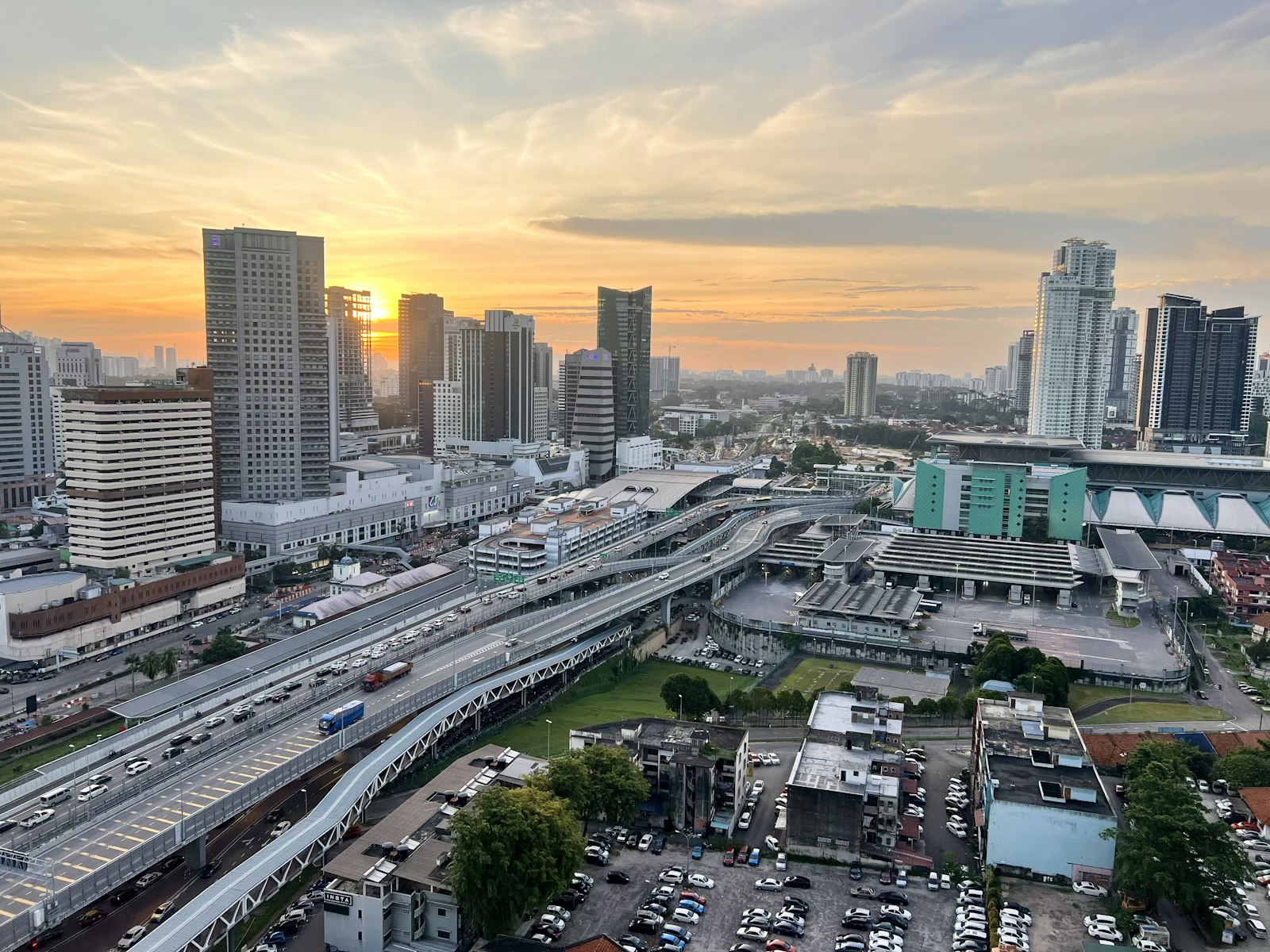
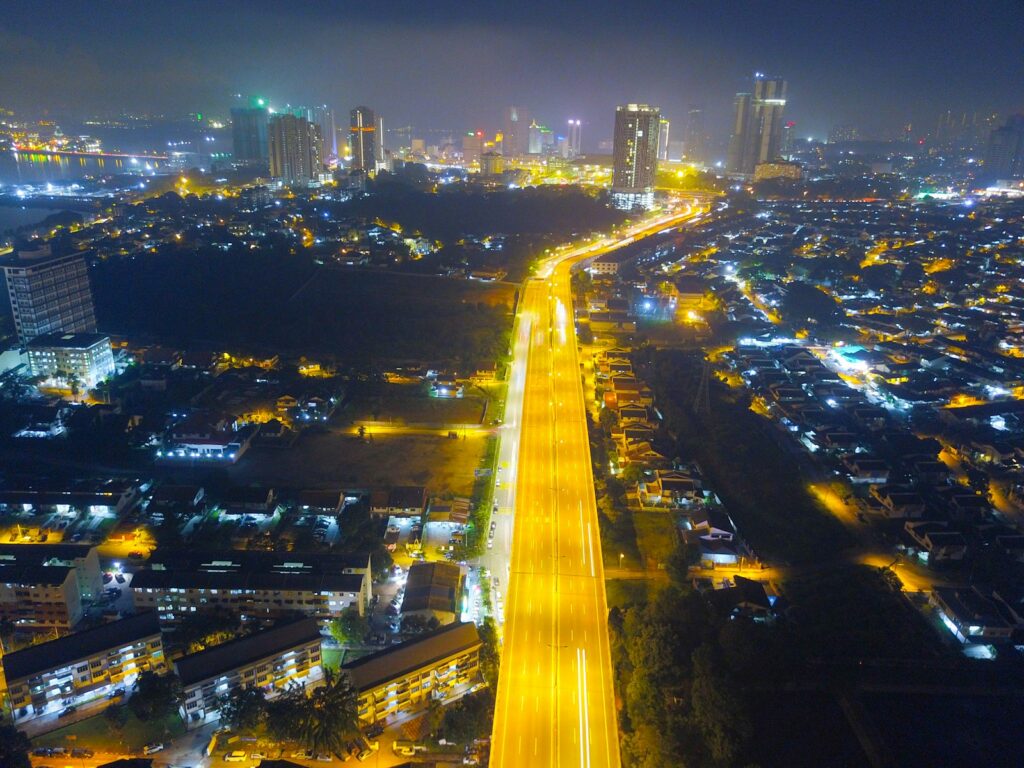
The line is expected to carry about 40,000 passengers a day at launch, with long-term plans for about 140,000. That could ease pressure on the Causeway, one of the busiest land crossings in the world. Bukit Chagar station is part of a planned transit-oriented development, which could bring new homes, offices and shops close to the line.
The project cost was revised down by 36% in 2019, from RM4.93 billion to RM3.16 billion. Construction began in Malaysia on 22 November 2020 and in Singapore on 22 January 2021. Loke has acknowledged that a project of this scale carries technical risks, which is why the testing period matters.
Before You Ride the RTS Link
Keep an eye on official channels for the confirmed opening date, fares and ticketing. Make sure your passport is valid, as normal immigration rules still apply, and set up the MyNIISe app early if you plan to use the e-gates. If you use the KTM Shuttle Tebrau today, check for timetable updates once the RTS Link is running.
For official updates, visit the MRT Corp official website and the Land Transport Authority official website.