

Malaysia exports reached a record RM1.57 trillion in the first nine months of 2026, up 34% from a year earlier. Figures from the Ministry of Investment, Trade and Industry (MITI), based on Department of Statistics Malaysia (DOSM) data, show electrical and electronic (E&E) products leading the charge, with SMEs and newer markets also adding to the gains. For Malaysian businesses and workers, the numbers point to a trade engine running at full speed.
Table of Contents
Malaysia Exports by the Numbers
Here is how Malaysia’s trade performed between January and September 2026, as The Star reported:
- Exports: RM1.57 trillion, up 34%
- Imports: RM1.34 trillion, up 25.7%
- Total trade: RM2.91 trillion, up 30.1%
- Trade surplus: RM232.38 billion, up 115.7%
The full monthly breakdown is in DOSM’s Malaysia External Trade Statistics for September 2026.
5 Bright Signs for Malaysia Exports in 2026
1. A record-breaking September
September exports jumped 54.5% year on year to RM215.11 billion. It was a record month, the first above RM200 billion, and the fastest growth since April 2021. September also delivered a RM33.72 billion trade surplus, extending Malaysia’s run of monthly surpluses to 77 in a row since May 2020.
2. Electronics and AI demand power the surge
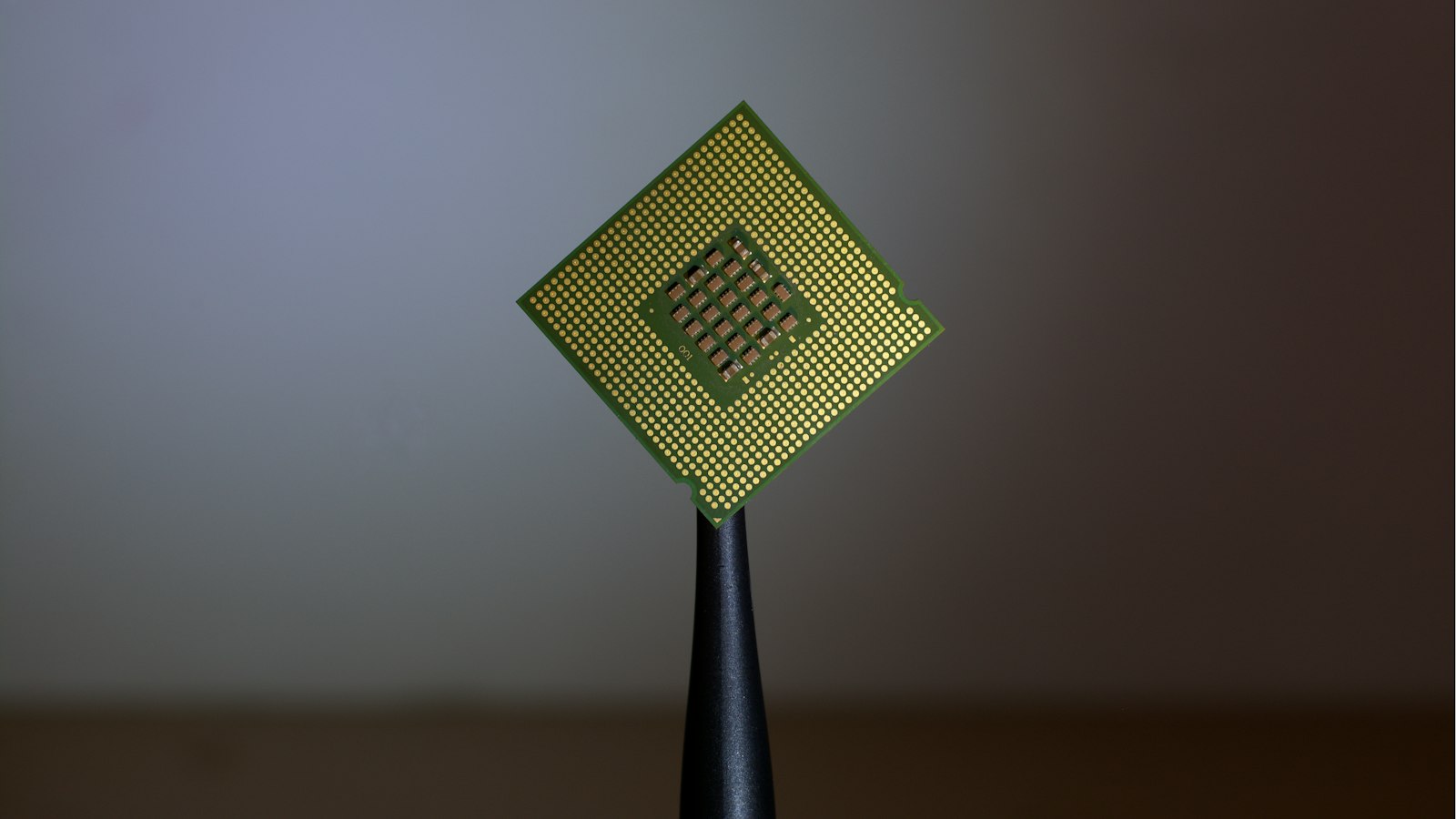
E&E products were the main driver. Their export value rose by RM253.88 billion over the nine months, according to MATRADE figures reported by VietnamPlus, on the back of global demand for AI and digital technology. In September alone, E&E exports climbed 69.2%. Petroleum products, optical and scientific equipment, machinery and liquefied natural gas also contributed.
It fits a wider shift we have seen as Malaysia’s AI growth moves into real-world applications.
3. SMEs share in the growth
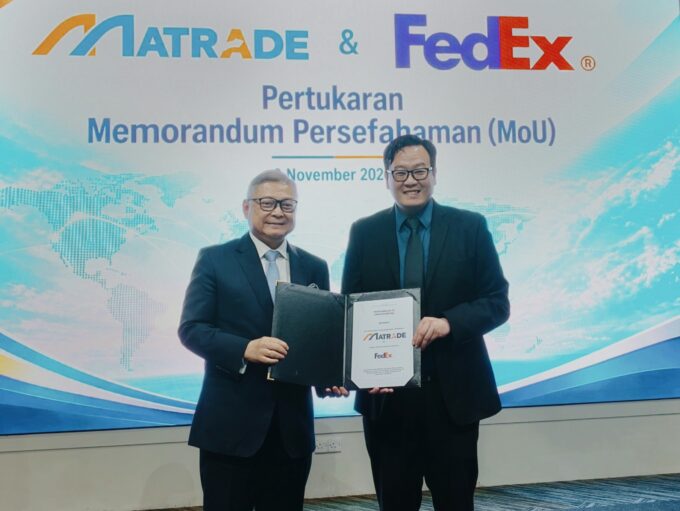
Products closely linked to SMEs also grew, including automotive parts, pharmaceuticals, metal furniture and aerospace products. Downstream palm oil products, led by oleochemicals, posted double-digit growth. MATRADE chief executive officer Abu Bakar Yusof said the results show that Malaysian exporters and SMEs remain resilient despite global economic uncertainty.
For smaller firms looking abroad, tools are getting easier to use too. Read why AI is a powerful equaliser for SMEs going global.
4. New markets are opening up
Malaysia exports to non-traditional markets in Africa, Central Asia, South Asia and Latin America rose 21.5% to RM136.36 billion. Some of the fastest growth came from:
- Namibia, up 426.1%
- South Africa, up 101%
- Libya, up 79.3%
- Angola, up 55.6%
- Brazil, up 41%
5. Free trade agreements are paying off
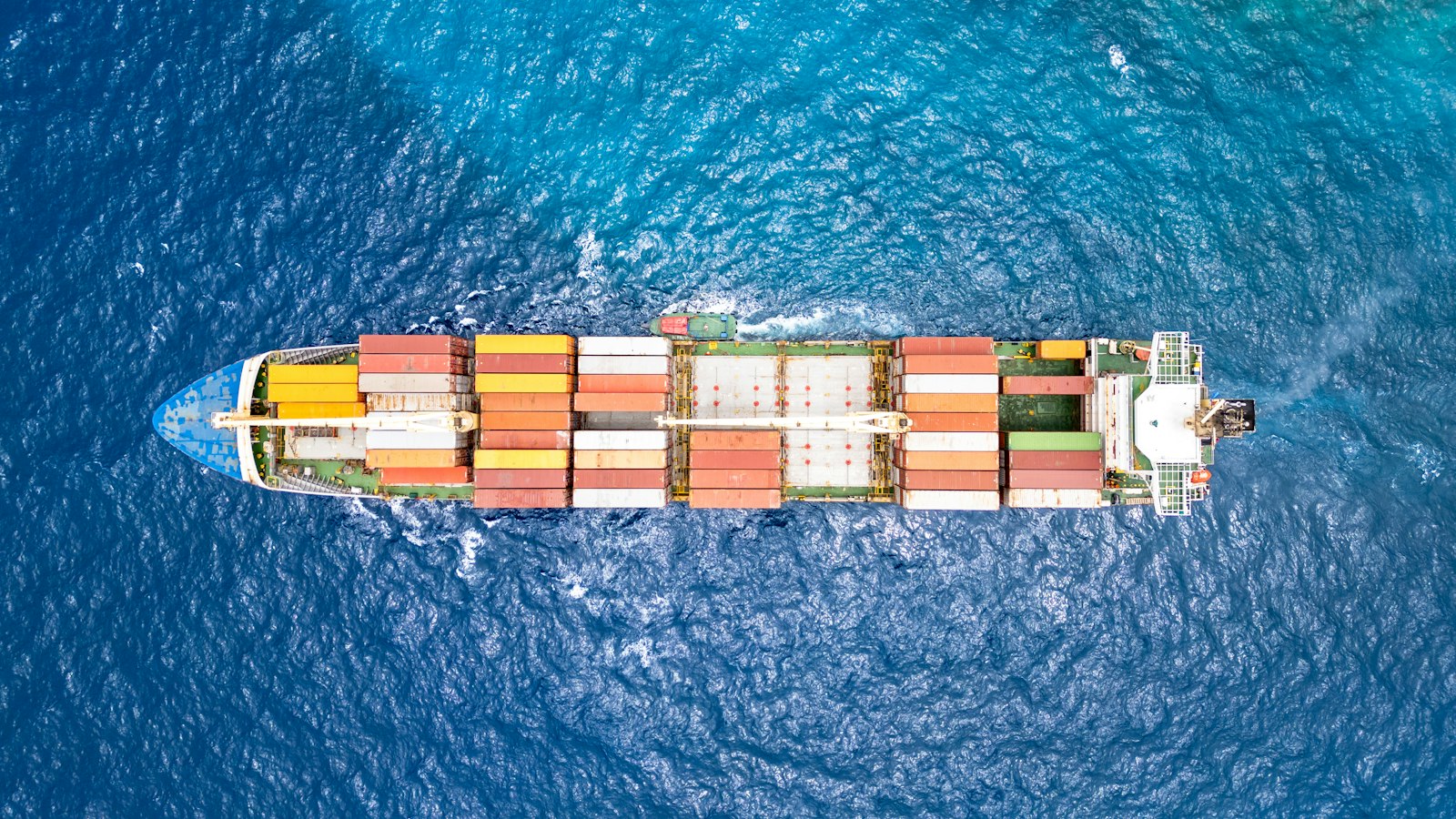
Malaysia exports to free trade agreement (FTA) partners rose 25.8% to RM986.38 billion, or 62.8% of all exports. Shipments grew to 21 of Malaysia’s 24 FTA partners, led by Mexico (up 52.1%), Vietnam (up 44.9%), the United Kingdom (up 41.1%) and Thailand (up 32.3%).
In September, exports to ASEAN hit a record RM59.55 billion. Exports to the United States rose 89.9% to RM38.03 billion, while exports to Taiwan jumped 175.2% to RM21.45 billion.
What Strong Malaysia Exports Mean for Malaysians
Healthy Malaysia exports keep factories, ports, logistics firms and their many suppliers busy. A wider trade surplus also brings more foreign earnings into the economy. For SMEs, growth in non-traditional and FTA markets shows there is room to sell beyond the usual destinations.
Support is available. MATRADE’s 2026 roadmap lists 203 trade promotion programmes reaching more than 13,000 companies, with a focus on micro, small and medium enterprises.
What Comes Next for Malaysia Exports
MITI said the January to September momentum is in line with a favourable outlook. The Finance Ministry’s Economic Outlook 2027 projects total trade growth of 27.2% for 2026, with exports up 31% and imports up 23.1%. Some coverage, including the New Straits Times, has noted that growth may cool in the months ahead.
For SMEs ready to grow their share of Malaysia exports, MATRADE offers export promotion programmes, market intelligence and trade missions.
To learn more, visit the MATRADE official website.