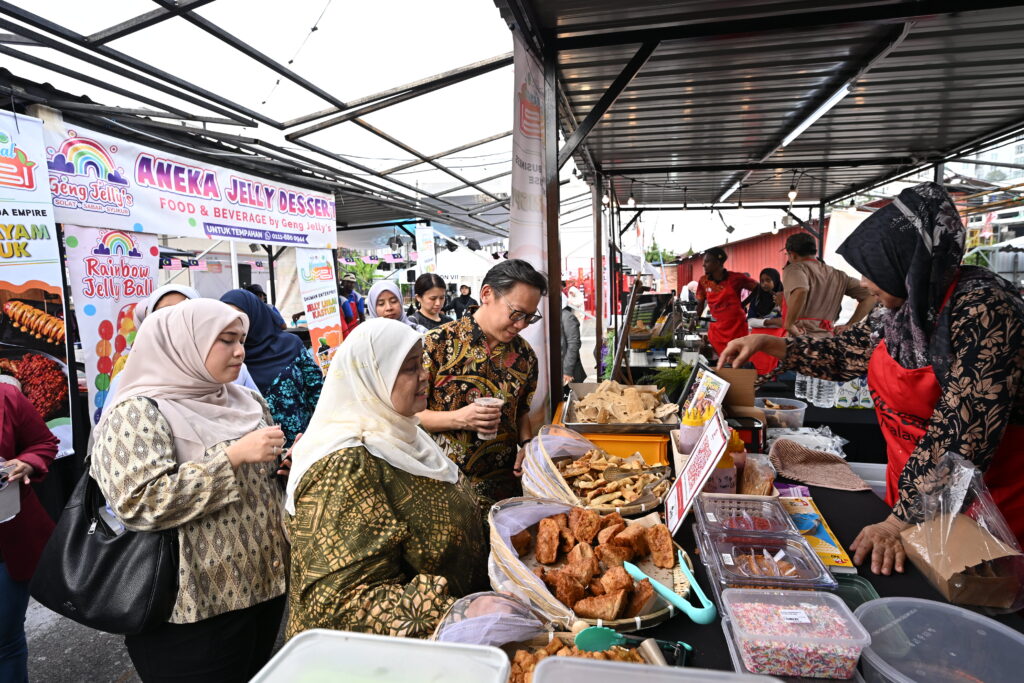
For thousands of Malaysian micro-entrepreneurs, business success is not necessarily measured by opening another outlet or rapidly increasing sales. A more immediate goal is having enough reliable income to cover food, bills, education and other household needs.
That challenge is particularly visible among small food and beverage operators. Their daily earnings can change because of customer traffic, weather and operating costs. Project UMBI is seeking to address this issue by strengthening basic business practices and helping entrepreneurs work towards greater income continuity.
Project UMBI Reaches More Than 1,400 Entrepreneurs
Project UMBI is a three-year initiative developed by the Institute of Malaysian and International Studies (IKMAS) at Universiti Kebangsaan Malaysia (UKM), with support from The Coca-Cola Foundation.
More than 1,400 micro-entrepreneurs across Malaysia have participated in the programme.
Rather than focusing mainly on rapid expansion, the initiative provides practical guidance on everyday operations, financial awareness and routine business planning. These are basic areas, but they can matter greatly for roadside vendors, home-based businesses and other small operators whose earnings change from one day to another.
Income Sustainability Matters at Household Level
Early findings provide a closer look at the financial realities facing participants.
Based on a sample of 534 Project UMBI participants, more than 78% reported being able to support themselves and their families through their businesses. At the same time, 86.6% of participating businesses recorded monthly profits below RM6,000.
The figures show why income sustainability deserves attention alongside conventional measures of business growth. A micro-business may remain small while still becoming more useful and dependable as a source of household income.
UKM researchers involved in the project say predictable earnings can help families better manage regular expenses, including food, education and healthcare.
“At the microenterprise level, income reliability often matters more than growth,” said Dr Muhamad Azwan Abd Rahman, Research Fellow at IKMAS, UKM and Project Lead Researcher.
The research does come with an important limitation. The programme did not assess causation, meaning the findings should be treated as participant-reported indicators rather than improvements directly caused by Project UMBI.
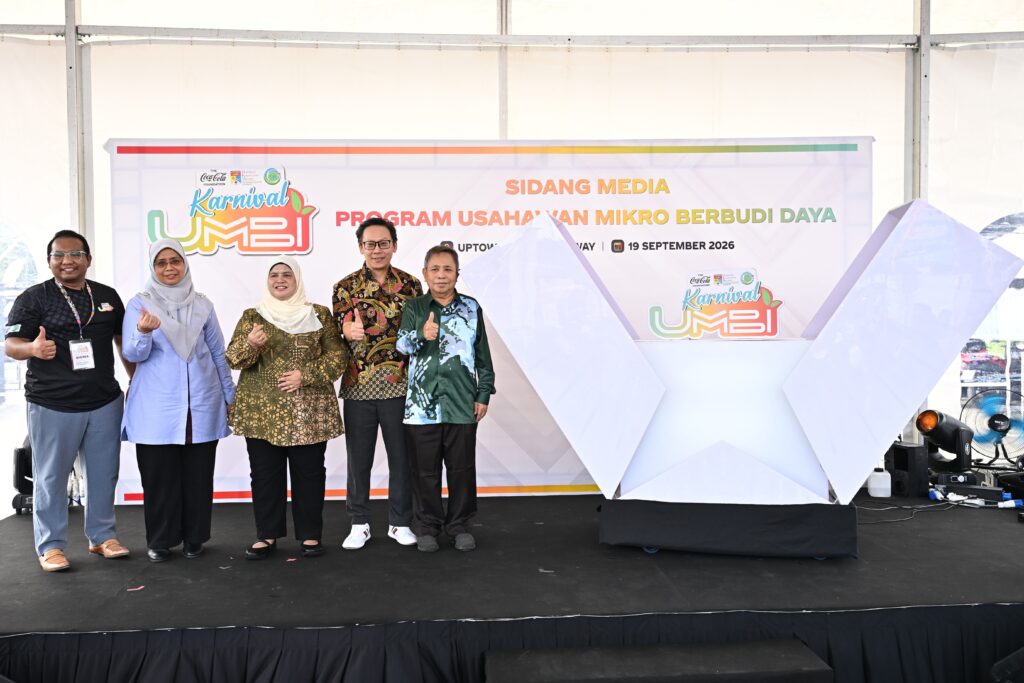
Photo (from Left): Dr Muhamad Azwan Abd Rahman, Research Fellow, Institute of Malaysian and International Studies (IKMAS), Universiti Kebangsaan Malaysia (UKM) and Project Lead Researcher; Professor Dr Bariah Mohd. Ali, Deputy Vice Chancellor of Industry and Community Partnership, UKM; YB Datuk Hajah Rubiah Wang, Deputy Minister of Rural and Regional Development; Leslie Chong, Vice President of PACS, Coca-Cola ASEAN & South Pacific, representing The Coca-Cola Foundation; and Emeritus Professor Dato Dr Abdul Rahman Embong, Emeritus Professor, IKMAS, UKM, Special Advisor of the Malaysian Social Science Association (PSSM) and Advisor of the Sustainable Business for Micro-Entrepreneurs in Malaysia Project, at the launch of Karnival UMBI, marking the first-year milestone of Project UMBI and reaffirming the partners’ continued commitment to supporting micro-entrepreneurs through stronger business fundamentals, greater income continuity and more resilient livelihoods.
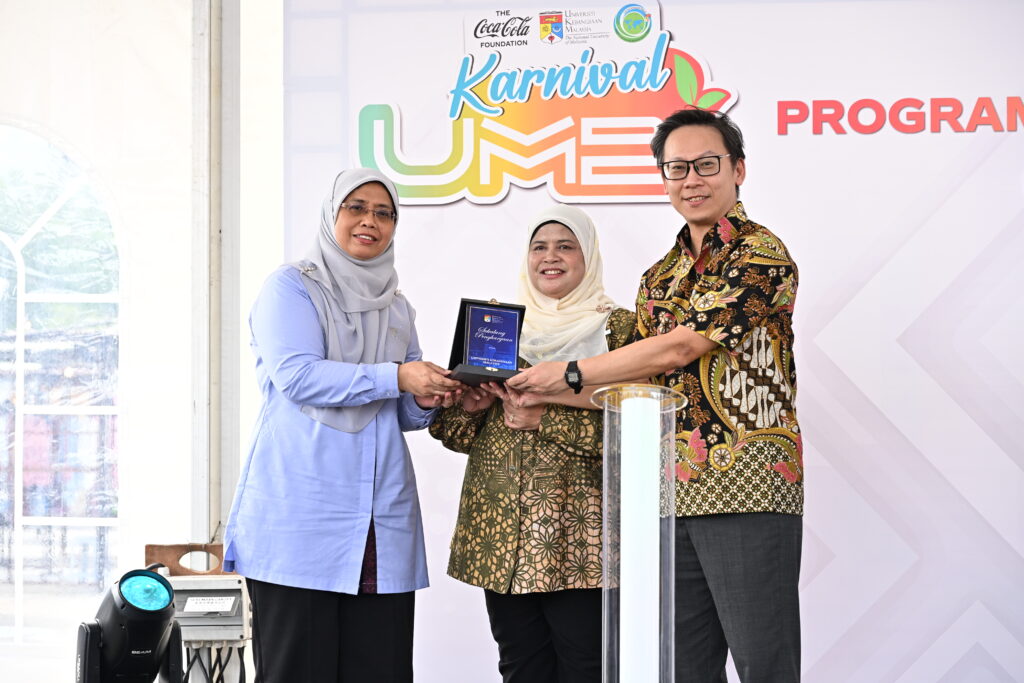
Photo (from Left): Professor Dr Bariah Mohd. Ali, Deputy Vice Chancellor of Industry and Community Partnership, UKM presents tokens of appreciation to (Middle) YB Datuk Hajah Rubiah Wang, Deputy Minister of Rural and Regional Development, and (Right) Leslie Chong, Vice President of PACS, Coca-Cola ASEAN & South Pacific, representing The Coca-Cola Foundation, in recognition of their continued commitment to supporting Project UMBI and strengthening the livelihoods and resilience of micro-entrepreneurs across Malaysia.
Small Businesses Have a Wider Community Role
Malaysia’s micro-enterprise sector is closely tied to household resilience. A small stall or home-based food operation can provide income not only for its owner but also support children, spouses and, in some cases, extended family members.
This makes business stability a community issue as much as an enterprise issue.
Women also represent a significant share of Project UMBI participants. The programme includes single mothers who operate small food businesses while managing family responsibilities and higher living costs. Female participation increased during the programme’s later phase, according to the project.
For these entrepreneurs, having a more predictable flow of income may provide greater room to plan household spending rather than simply responding to immediate expenses.
Stronger Business Basics Can Support Resilience
Micro-enterprises often operate with little financial buffer. A slow week, higher ingredient prices or unexpected household expenses can quickly affect both business and family finances.
Simple business practices can therefore have practical value. Better awareness of costs, routine planning and clearer management of daily operations may help entrepreneurs understand where their money is going and prepare for periods when sales are weaker.
This is also where programmes such as Project UMBI can contribute to Malaysia’s wider SME development landscape. Supporting very small businesses is not only about producing the next high-growth company. It is also about helping existing entrepreneurs build livelihoods that can withstand everyday economic pressures.
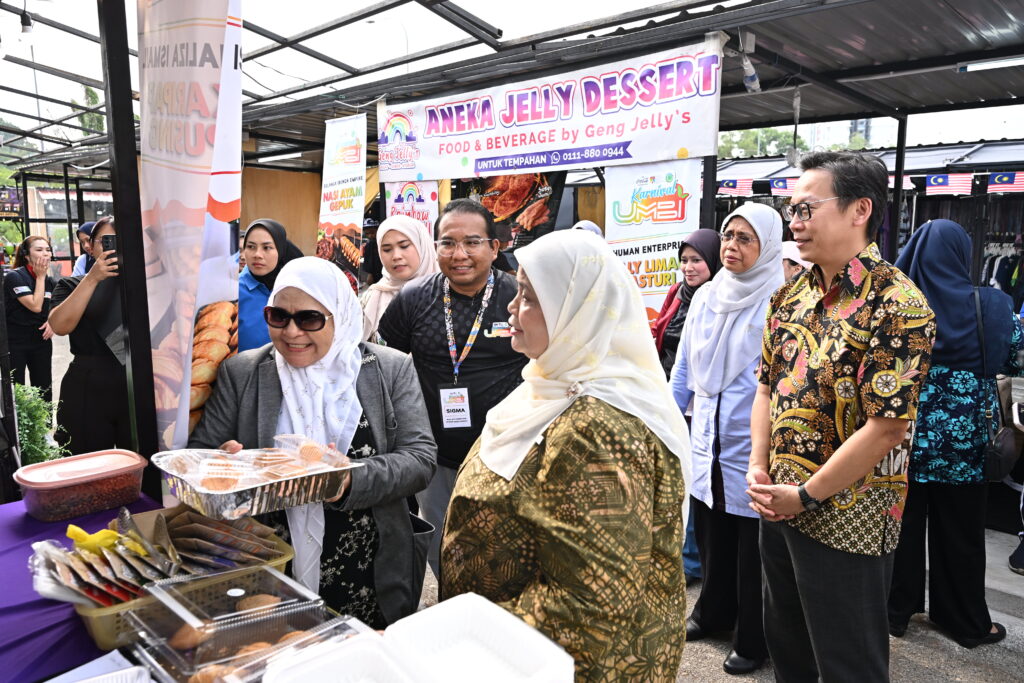
Guests of honour and Project UMBI partners visit the exhibition booths at Karnival UMBI, meeting participating micro-entrepreneurs and exploring the businesses and products showcased at the event.
Household Stability Supports Local Economic Growth
Micro-entrepreneurs form part of the economic activity taking place in neighbourhoods, markets and communities across Malaysia. When these businesses generate steadier income, the benefit can extend into household spending and local commerce.
The approach behind Project UMBI reflects a broader view of entrepreneurship: growth does not always need to mean becoming bigger quickly. For some businesses, progress starts with becoming more consistent.
The Coca-Cola Foundation said its support is aimed at helping communities work towards more predictable livelihoods, particularly as families deal with rising living costs. The foundation supports programmes in areas including economic prosperity, water access, recycling value chains and disaster preparedness.
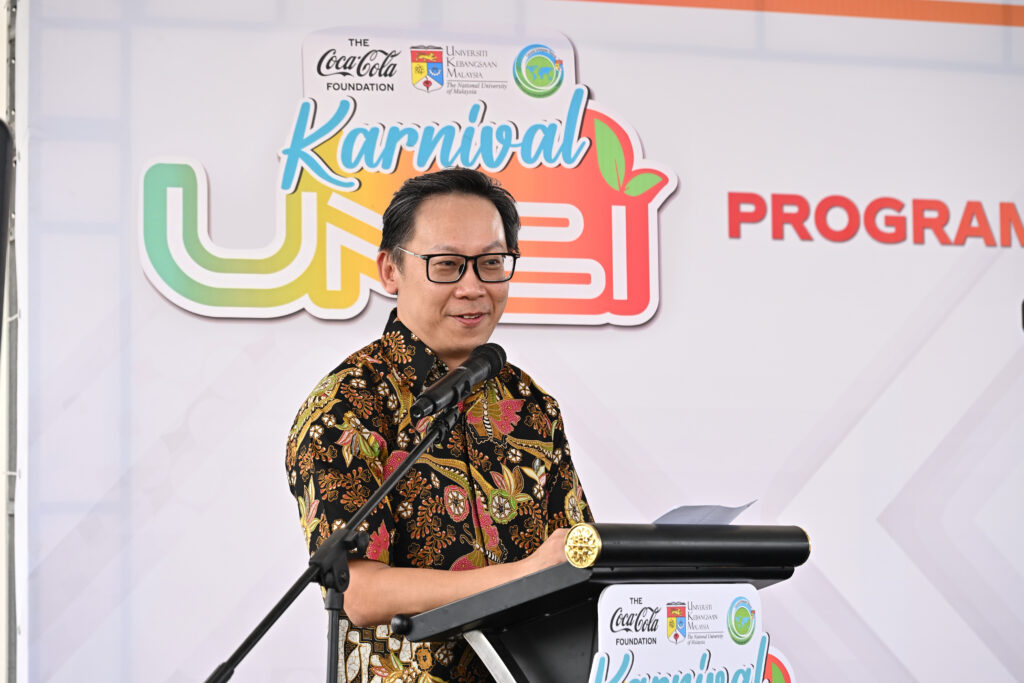
Leslie Chong, Vice President of PACS, Coca-Cola ASEAN & South Pacific, representing The Coca-Cola Foundation, delivers remarks at Karnival UMBI, reaffirming the Foundation’s continued commitment to supporting micro-entrepreneurs and advancing efforts towards more resilient and sustainable livelihoods through Project UMBI.
Conclusion
Malaysia’s micro-enterprise economy includes many businesses operating on a modest scale, yet their role in supporting households can be substantial.
Project UMBI’s early findings highlight a useful measure of progress: whether entrepreneurs can turn uncertain daily earnings into a more dependable livelihood. Strengthening that foundation can help families manage their needs while supporting more resilient local communities.