
Malaysia’s universities and employers may need to work more closely as artificial intelligence changes what companies expect from fresh graduates.
New findings from the REHDA Institute Youth Initiative (RIYI) 2026 point to a noticeable gap between how students view their workplace readiness and how employers assess it. The findings add another dimension to the wider discussion around Malaysia graduate employability, skills development and the transition from university to work.
Students and Employers See Workplace Readiness Differently
According to RIYI’s targeted survey, 41.6% of student respondents believed fresh graduates could begin adding commercial value within one to three months of starting work.
Only 2.9% of employer respondents shared that expectation.
There was also a gap over university preparation. While 62% of students felt their universities had prepared them well for employment, only 32.3% of employers believed local universities adequately prepared graduates for workplace realities.
The survey covered students and recent graduates from 21 Malaysian universities, as well as employers. RIYI noted that the targeted findings offer insights into graduate and employer views but are not nationally representative.
AI Is Changing the First Step Into Employment
The workplace is also changing quickly.
RIYI found that 76.4% of student respondents regularly use AI tools. At the same time, half of the employers surveyed expect AI to reduce the number of entry-level positions they hire for over the next three years.
That does not necessarily remove the need for young talent. Instead, it points to changing expectations around what graduates can contribute.
Digital skills are becoming part of the baseline. Practical judgement, communication, adaptability and problem-solving may become increasingly important as AI takes on more routine tasks.
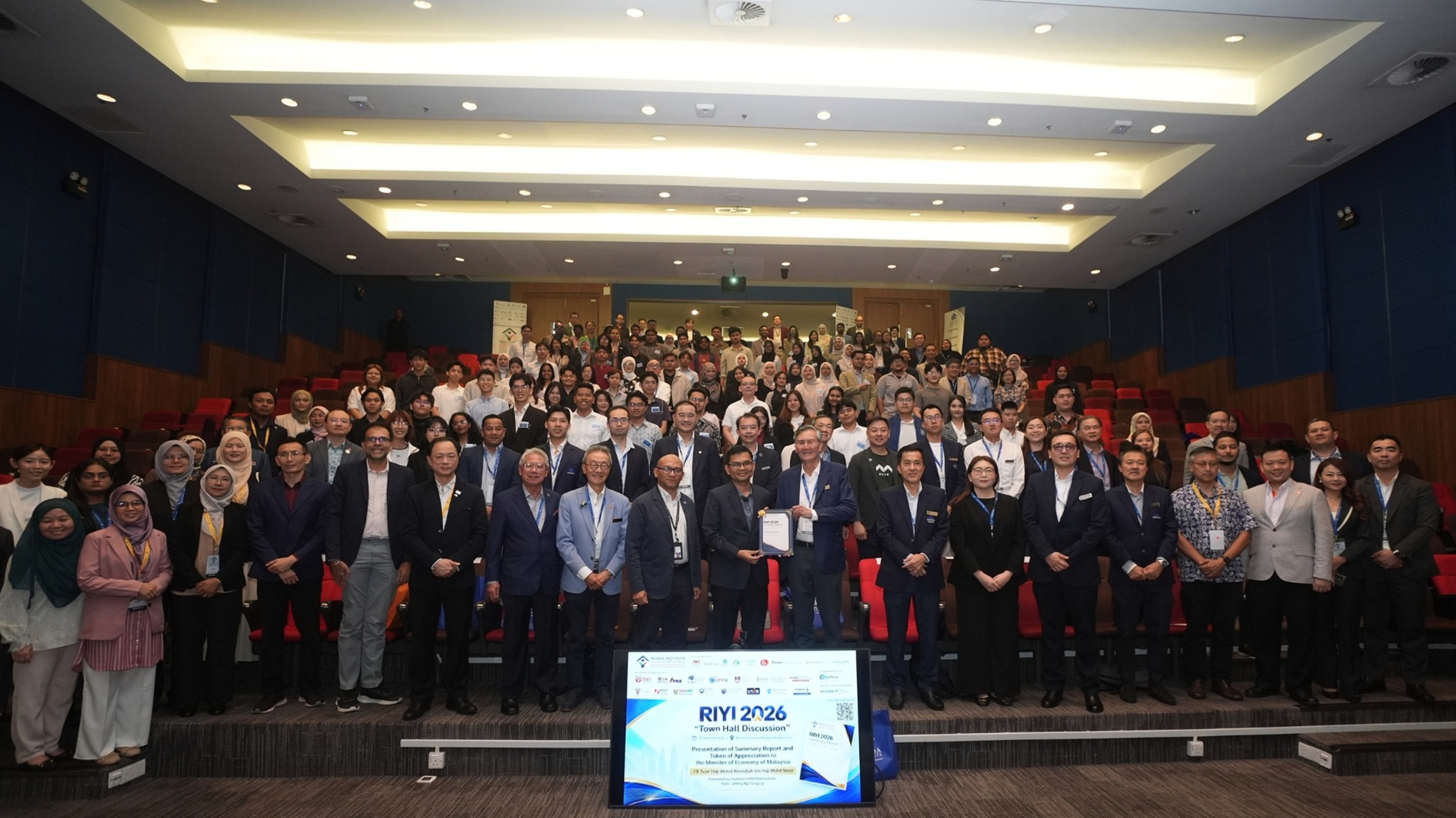
RIYI addressed this shift through its final session, “Climbing the Career Ladder in the AI Era”. Participants joined clinics on AI-supported judgement, leadership and stakeholder management before presenting three-year career plans to industry mentors.
University-Industry Links Gain Importance Under RMK13
The findings come as Malaysia begins implementing the Thirteenth Malaysia Plan, or RMK13, covering 2026 to 2030.
RMK13 calls for closer alignment between higher education programmes and industry needs, alongside greater private-sector participation in talent development. The plan also proposes a mandatory paid internship scheme and more demand-driven learning.
RIYI’s approach fits into that wider direction by connecting students directly with senior professionals and workplace mentors.
REHDA Institute Chairman Dato’ Jeffrey Ng Tiong Lip said university qualifications remain an important foundation, but students also need exposure to how workplaces operate and what employers expect.
He said industry engagement can help young people develop judgement, resilience, communication and adaptability while gaining lessons that are difficult to learn from textbooks alone.
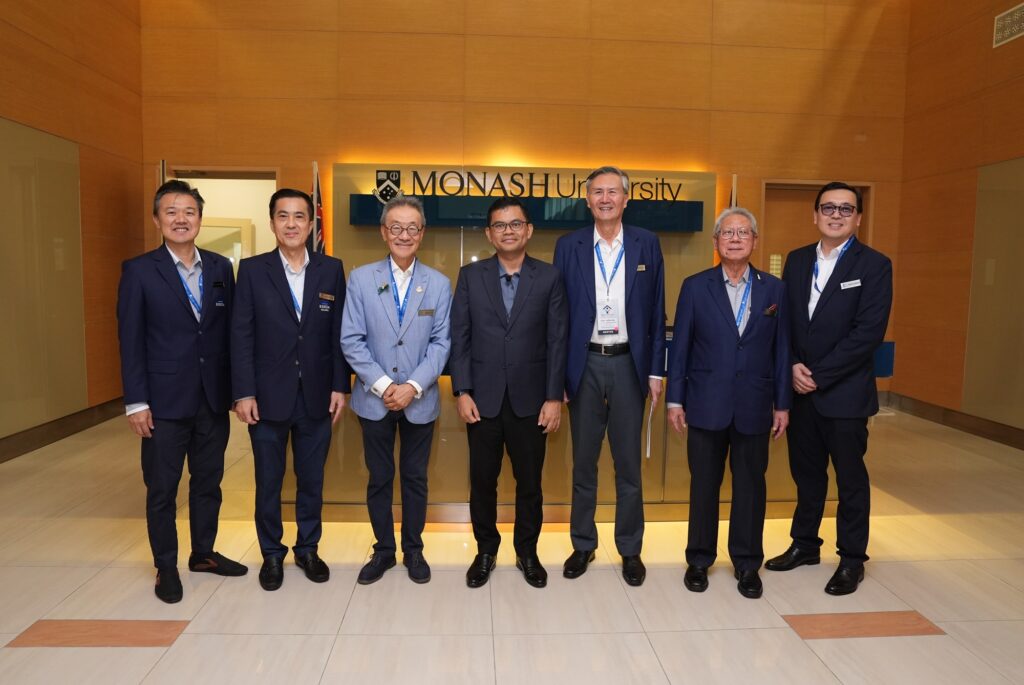
Photo (From left): Ir. Loh Ban Ho, Chairperson of REHDA Perak; Datuk Tan Hon Lim, Executive Vice President of SP Setia Bhd; Datuk Seri Michael Yam, Executive Director and Group CEO of Tritera Group; YB Tuan Haji Akmal Nasrullah bin Haji Mohd Nasir, Minister of Economy of Malaysia; Dato’ Jeffrey Ng Tiong Lip, Chairman of REHDA Institute; Datuk Haji Muztaza, Group Managing Director of Fairview Group of Companies and David S. Chong, Chief Operating Officer of REHDA Institute.
Career Development Could Help Companies Retain Talent
The survey also found areas where employers and young workers appear to have common ground.
Some 79.4% of employers surveyed said they would provide structured training and a clear career path in exchange for a retention commitment. Among students, 67.6% said they would accept such an arrangement outright.
Pay transparency was another issue. Around 82.4% of students and 58.3% of employers supported compulsory salary-range disclosure in job advertisements.
Talent mobility remains a concern, however. Some 57.1% of student respondents said they were likely or very likely to work outside Malaysia within five years.
Why Graduate Skills Matter to Malaysia’s Growth
The issue goes beyond finding graduates their first jobs.
Malaysia’s push into AI, digitalisation, sustainable construction and more productive industries will require workers who can combine technical knowledge with practical decision-making.
This is particularly relevant to the built environment. RMK13 envisages wider adoption of Industrialised Building System (IBS) and Building Information Modelling (BIM), while encouraging greater attention to green building practices.
For employers, closer involvement with universities could create a stronger talent pipeline. For students, earlier industry exposure can provide a clearer picture of the skills and expectations they will face after graduation.
RIYI 2026 brought together students from more than 21 universities across Malaysia. REHDA Institute plans to develop the initiative into a longer-term platform linking universities, employers and young talent.
Looking Ahead
AI is unlikely to be the only factor shaping Malaysia’s future workforce. Training quality, wages, career progression and practical exposure will also influence how successfully young Malaysians move from education into employment.
The RIYI findings suggest that closing the expectation gap will require effort from both universities and employers. Stronger collaboration could help graduates enter the workforce with a more realistic understanding of what companies need, while giving businesses a more active role in developing Malaysia’s next generation of talent.
About REHDA Institute
REHDA Institute is a social enterprise and a think tank, focusing on training, research, and education for the real estate industry in Malaysia.The Institute is committed to driving thought leadership, championing professional development, and facilitating crucial dialogue among industry stakeholders in Malaysia to foster sustainable growth, innovation, and excellence within the real estate industry. Find out more on our LinkedIn Page at “REHDA Institute (Official)” and www.rehdainstitute.com.
REHDA Institute works in collaboration with universities and other institutions in many of its activities (including University Malaya, Monash, Sunway Uni) and has also jointly offered a Master of Real Estate Development (MRED) programme with Universiti Tunku Abdul Rahman (UTAR) since 2020.