
Malaysia’s push to build a stronger digital economy is creating a related challenge: making sure workers have the skills employers actually need.
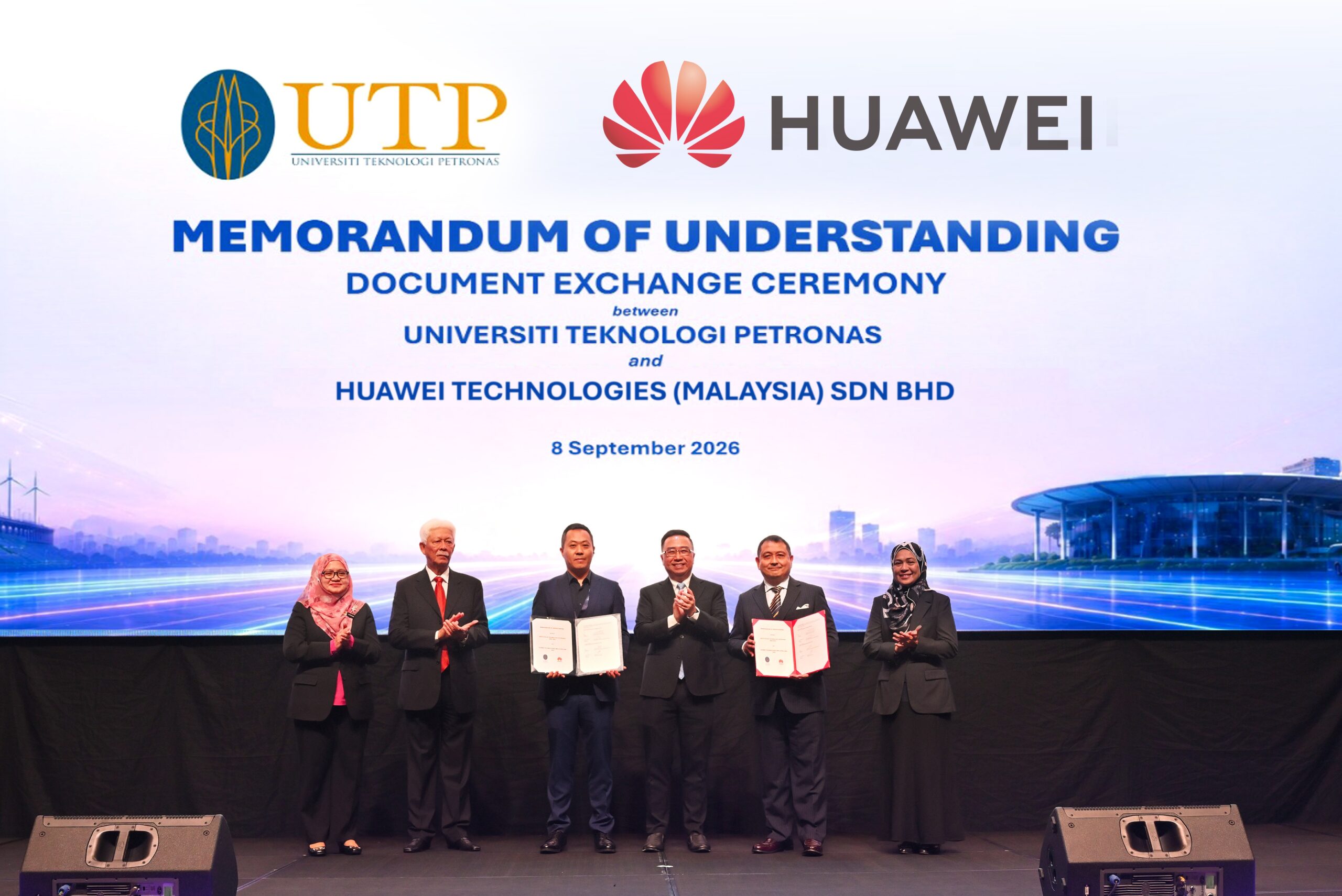
Jobstreet by SEEK and the Malaysia Digital Economy Corporation (MDEC) are addressing that gap through a new partnership focused on the Malaysia digital talent ecosystem. The two organisations signed a Memorandum of Understanding (MoU) on September 25 to improve talent development and workforce planning.
Rather than creating a standalone recruitment programme, the collaboration will connect labour market information with MDEC’s wider digital ecosystem. This could help training initiatives respond more closely to changing hiring needs.
Labour Market Data to Guide Skills Development
A key part of the partnership is the use of Jobstreet by SEEK’s employment data.
The platform will provide insights into hiring trends, demand for digital technology professionals and skills sought by employers. Jobstreet will also participate in MDEC programmes, including graduate employability initiatives, industry forums, roundtables and knowledge-sharing sessions.
For workers and graduates, this connection matters. Digital skills can change quickly as businesses adopt artificial intelligence, automation and other technologies. Training programmes therefore need current information about where employment demand is moving.
Nicholas Lam, Managing Director at Jobstreet by SEEK, said timely labour market insights are becoming increasingly important as Malaysia’s digital economy creates demand for skilled workers.
He said combining hiring information with MDEC’s digital ecosystem could help employers, jobseekers and policymakers make better-informed decisions.
Connecting Employers With Digital Talent
The partnership also has an employer-facing role.
MDEC plans to use Jobstreet’s labour market insights in its talent development work while helping connect the employment platform with companies in its ecosystem. These include Malaysia Digital (MD) Status companies and potential investors looking for talent solutions.
This creates a more direct link between workforce development and business demand.
For employers, clearer information about the available talent pool may support recruitment and workforce planning. For jobseekers, better alignment between training and hiring needs can make it easier to identify skills that are relevant to current opportunities.
Supporting Malaysia’s AI and Digital Ambitions
The agreement also comes as Malaysia prepares its workforce for wider AI adoption.
MDEC Chief Executive Officer Anuar Fariz Fadzil said the country’s AI Nation 2030 vision is ultimately about helping Malaysians gain the awareness, access and capabilities needed to adapt to changing technologies.
That makes human capital an important part of the digital transition.
New technology can attract investment and help companies expand, but businesses still need people who can apply those technologies effectively. Building the Malaysia digital talent ecosystem is therefore not only an education issue. It also affects business competitiveness and the country’s ability to support digital investment.
Why the Partnership Matters to Workers and Industry
The public benefit of the collaboration lies in improving the connection between skills development and real labour market needs.
Graduates and existing workers could benefit from programmes informed by current hiring trends. Employers, meanwhile, may gain better access to people with relevant digital capabilities.
There is also a wider economic angle. A stronger talent pipeline can support companies already operating in Malaysia while making the market better prepared for new digital investment.
The partnership does not solve the skills gap by itself. Its value will depend on how effectively labour market information is translated into training, employability programmes and industry engagement.
Still, bringing employers, employment data and talent development closer together offers a practical way to respond to changing workforce needs.
Building a More Future-Ready Workforce
Malaysia’s digital ambitions will increasingly depend on people as much as technology.
The Jobstreet by SEEK and MDEC partnership puts greater emphasis on understanding what employers need and using that information to shape workforce development. If those insights translate into relevant skills programmes, the initiative could help more Malaysians prepare for opportunities emerging from the digital economy.
For businesses, it could also strengthen access to talent as digital adoption accelerates.