

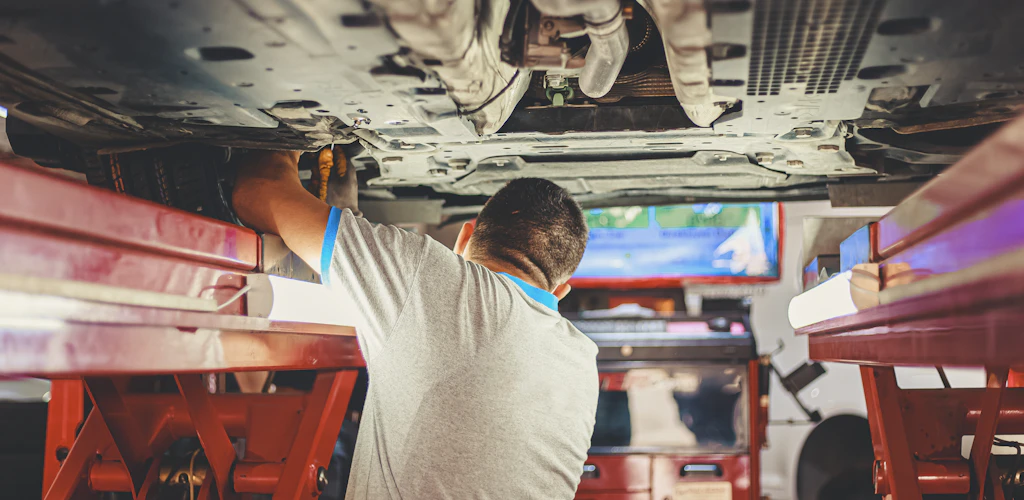
Buying a used car in Malaysia involves more than agreeing on a price. Before the car can be registered in your name, it needs an ownership transfer inspection, still widely called a PUSPAKOM inspection, and if you are taking a bank loan, a second, more detailed check.
These checks confirm that the car is what its papers say it is. Here is what every buyer should know about the PUSPAKOM inspection and its alternatives, as of November 2026.
Why the Inspection Matters
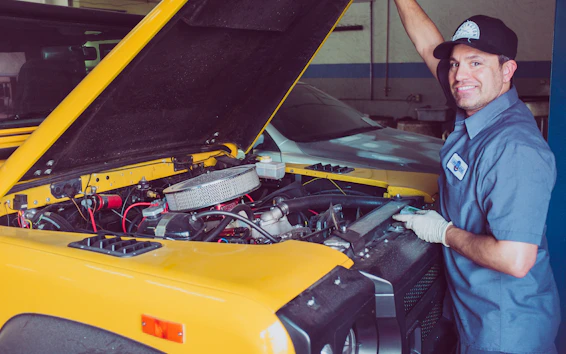
An ownership transfer inspection is a legal requirement under the Road Transport Act 1987. Examiners compare the car’s chassis and engine numbers against the Road Transport Department (JPJ) database and the registration card, and check for serious structural rust, unapproved modifications and cracked frames, as The Star explains. It is a safeguard against cloned, stolen or badly rebuilt vehicles.
6 Things to Know About the PUSPAKOM Inspection
1. MV15 Is the New Name for B5
The ownership transfer inspection many Malaysians still call B5 is now known as MV15. It is needed whenever a private car changes hands and must be re-registered with JPJ. Motorcycles are exempt.
2. It Costs RM37.80 at Any Licensed Centre
The MV15 fee is fixed nationwide. According to RinggitPlus, the total of RM37.80 is made up of a RM30 inspection fee, a RM5 processing fee and RM2.80 in SST. Because the price is the same everywhere, centres compete on convenience and waiting times instead.
3. You Have More Places to Go
PUSPAKOM was once the only provider, but its exclusive concession ended on 31 August 2024. Other licensed operators can now carry out MV15 inspections. Carro has run MV15 centres since mid-2026, and Carsome Academy opened a centre in Sungai Buloh in September 2026, the first to be run by a TVET institution. Results go directly into JPJ’s system.
4. Financing a Car? You Also Need B7
If you are buying a used car with a hire purchase loan, the bank will require a B7 inspection. It covers everything in MV15 plus deeper identity checks and key safety and structural items. As of mid-2026, B7 costs RM60 and is only available at PUSPAKOM, so budget for both checks if you are borrowing.
5. Book Online and Mind the Validity
PUSPAKOM bookings are made through its GiCheck system, which links to JPJ’s MySIKAP portal. A booking processing fee of RM5 has applied since January 2026, according to paultan.org. Once you pass, the MV15 report has been valid for 120 days since 1 July 2026, up from 60 days, giving buyers and sellers more time to complete the transfer.
6. The Inspection Is Not a Full Health Check
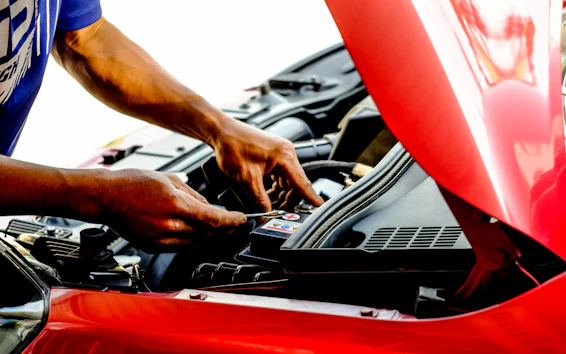
MV15 and B7 focus on identity and structure. They do not check for repaired body panels in detail, and they do not include an OBD diagnostic scan, which can reveal fault codes or past airbag deployment. If you want a fuller picture of a car’s condition, consider a voluntary inspection, which PUSPAKOM offers with an OBD scan, or have a trusted mechanic look it over before you pay.
Completing the Transfer
Once the car passes its PUSPAKOM inspection, the transfer can be done online through JPJ when both buyer and seller are individual Malaysian citizens. Transfers involving a company, a non-citizen or a deceased owner’s vehicle may need a visit to a JPJ branch. Our MyJPJ app guide covers other JPJ services you can handle on your phone.
A Quick Checklist for Buyers
- Agree on who pays for the inspection before you book.
- Bring the original registration card and the owner’s identification.
- Book a B7 as well if you are taking a loan.
- Consider a voluntary or independent mechanical check.
- Complete the JPJ transfer before the 120-day report expires.
A few hours spent on the right checks can save years of trouble. Done properly, the PUSPAKOM inspection gives you confidence that your next car is legitimate, roadworthy and truly yours.
For bookings and the latest fees, visit the PUSPAKOM official website.