

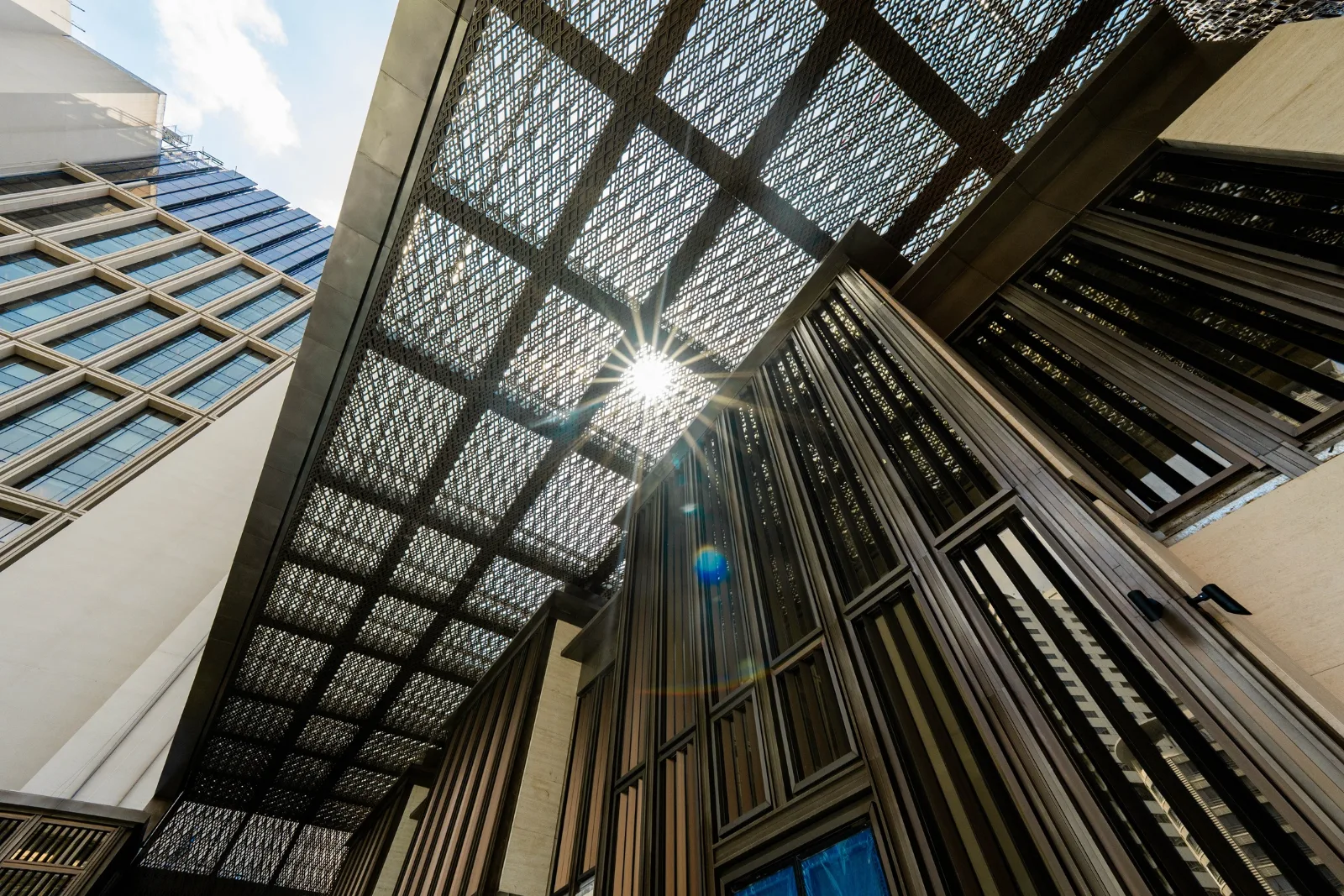
Malaysian developers often bring in a facade specialist only after a building’s design and budget are fixed, and owners pay for that habit for years afterwards, says Yong Ming Soon, executive director of Puchong-based Hitti Aluminium Sdn. Bhd. In an opinion piece released on 18 November 2026, he calls for facade specialists to join projects at the design stage, while changes are still cheap to make.
The facade is a building’s outer skin: the glass and aluminium that keep the rain out and decide how much afternoon sun gets inside, and so how hard the air-conditioning has to work. It also has to move slightly with the structure, stay sealed through years of storms and be safe to clean and repair. “When it is done well, nobody notices,” Yong writes.
On Klang Valley construction sites, he notes, the concrete frame goes up first and the facade comes much later. On many projects, that is also when the facade gets its first serious discussion, after most of the important decisions have been made.
Table of Contents
Why Late Facade Decisions Cost More
Under the usual approach, the drawings and budget are settled first. The facade package then goes out to tender near the end, with price as the deciding factor, and the specialist is asked to make a system work within limits drawn without them.
Yong acknowledges the pressure behind this. Developers are squeezed on cost and time, and the facade is a large budget item, so trimming it late can look like a saving.
He argues it often is not. A cheaper system that was never quite right for the building tends to show its cost later: water stains on ceilings after the first heavy monsoon, glass that turns a meeting room into an oven by mid-afternoon, or seals that fail years before they should. None of that appears in the tender price. All of it appears in the cost of owning the building. In strata developments, big repairs such as waterproofing are usually paid from the sinking fund that owners contribute to.
Malaysia’s Climate Raises the Stakes
Strong sun, high humidity and storms that drive rain sideways test a facade every day, for decades. Details that work in milder climates do not always hold up here, which Yong says is why local knowledge counts.
Heat is also becoming harder to ignore. The Malaysian Meteorological Department expects a Super El Niño to peak between March and May 2027, with maximum temperatures that could pass 41°C.
What Yong Proposes
His answer is to bring the facade specialist in earlier. The aim is not to take over the design, which belongs to the architect, but to have the specialist at the table while there is still room to choose. At that stage, changing how a window is set, or the type of glass on the side facing the afternoon sun, costs very little. After construction starts, the same change can cost a great deal or may no longer be possible.
It need not be expensive, he says. A few working sessions between the architect, the engineer and a facade specialist, held before the design is frozen, can settle most of the questions that later turn into disputes on site:
- How the facade meets the structure
- Where water goes if it gets in
- How the glass will be cleaned and replaced
Settling these details early also helps the crews who install facades at height, often on tight schedules and in bad weather. Installation is safer and the finish is better when nothing is left to improvise on site.
A Change in Habit, Not New Rules
“None of this needs new rules. It needs a change in habit,” Yong writes. He points to three shifts:
- Developers can ask for facade advice at the design stage.
- Architects can invite a specialist to early design workshops.
- Quantity surveyors can weigh a facade’s cost over 20 years, not only on the day the keys are handed over.
He also ties the issue to local capability. Malaysia already has skilled facade designers, fabricators and installers, he says, and does not need to look overseas for every complex building. Those skills grow when specialists are trusted to help make real decisions, rather than asked to quote the lowest number at the end, and each difficult project solved locally leaves the industry better placed for the next one.
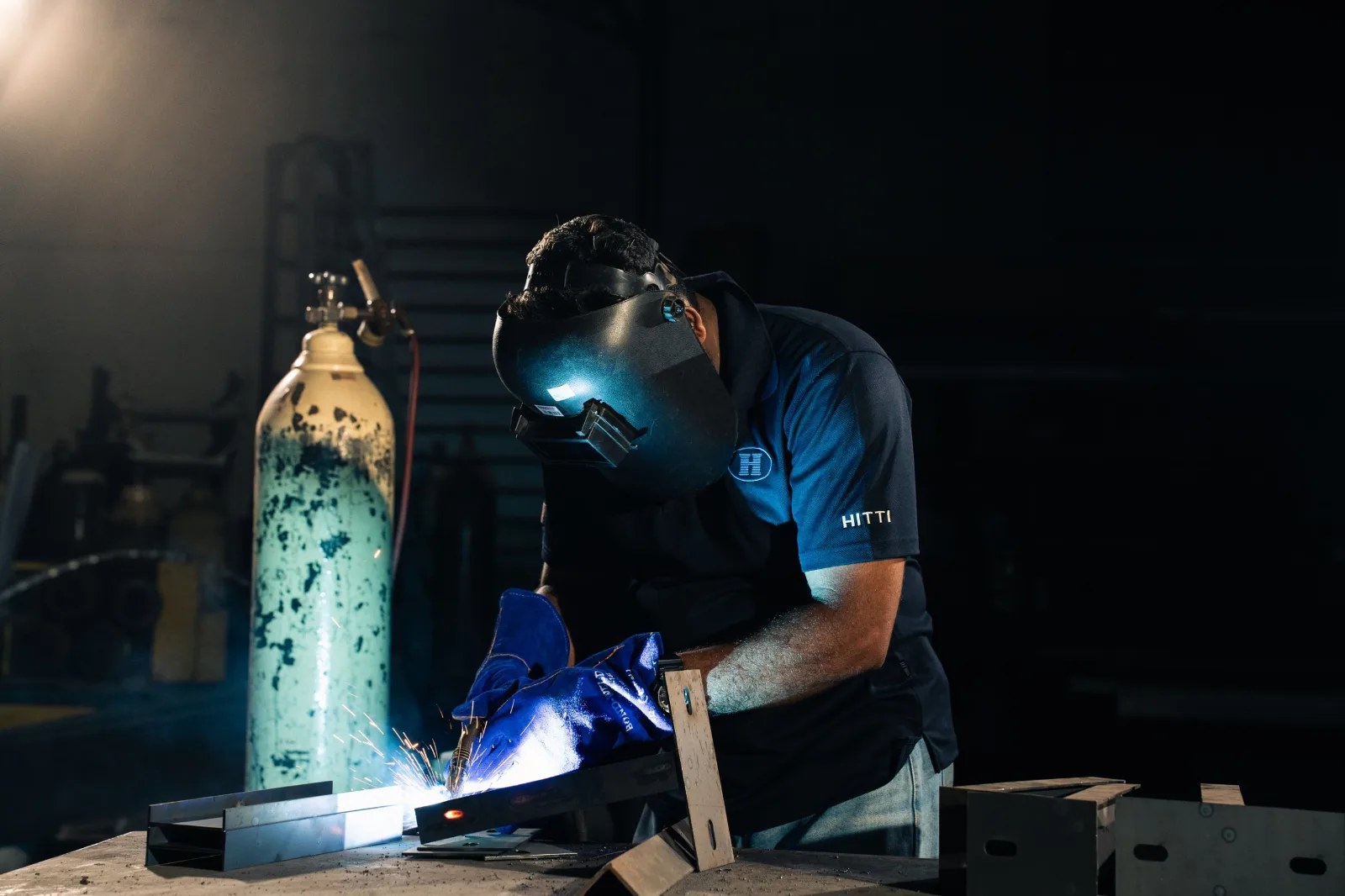
Hitti Aluminium is a Puchong, Selangor-based aluminium contractor specialising in curtain walls, facades, windows and doors. More at hitti.com.my.