

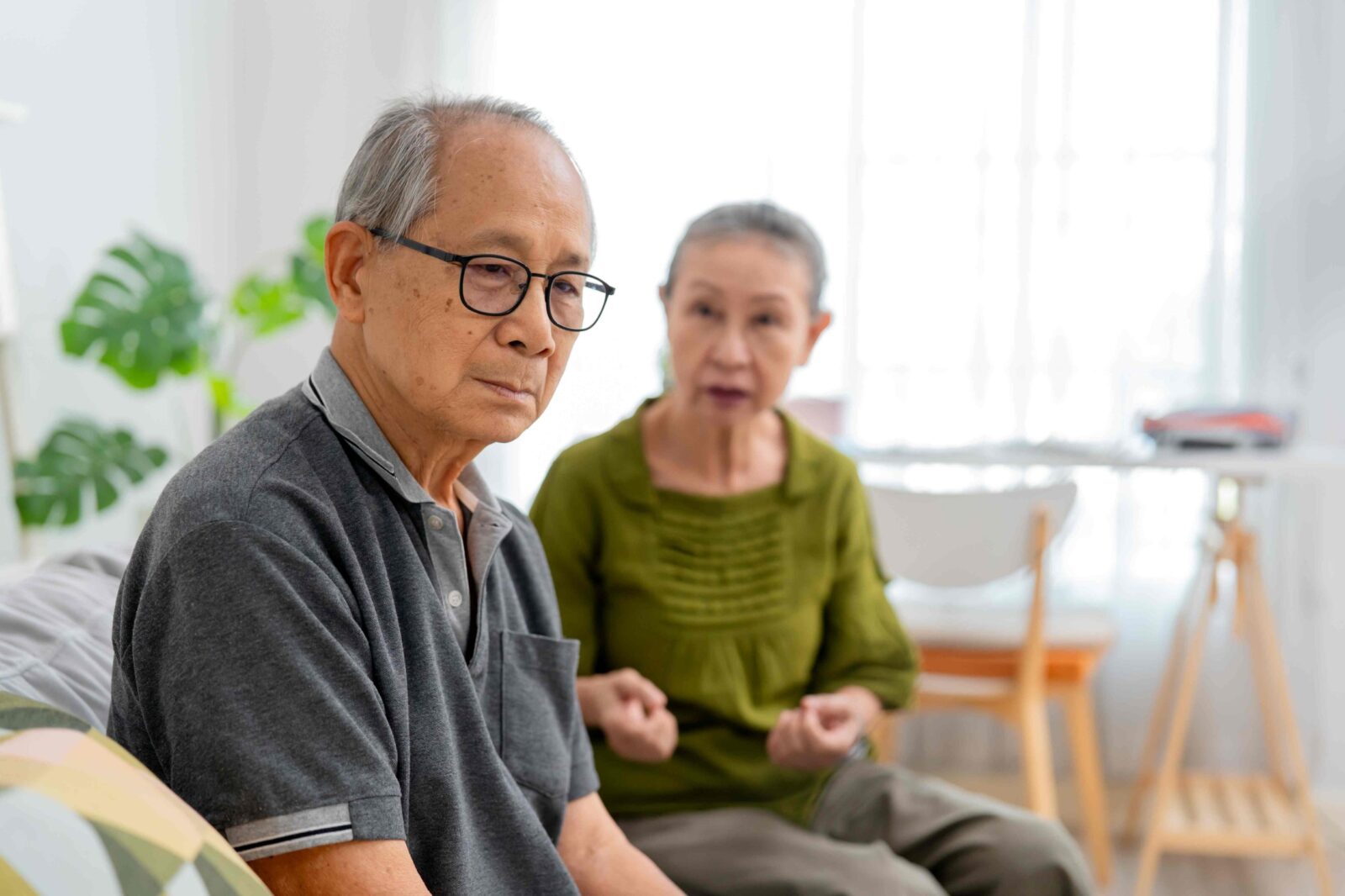
Depression among the elderly is often mistaken for a normal part of ageing. For some older Malaysians, the ‘golden years’ of rest, grandchildren and travel are quietly dimmed by a fading joy in life they cannot explain.
Dr Serena In, Clinical Psychologist and Head of Department at IMU University, says this life stage brings challenges such as poor health, frailty and loss of independence, and with Malaysia’s population rapidly ageing, families need to look closely at how to help.
“Many older persons also face circumstances that can trigger depressive symptoms such as loneliness or isolation, personal loss such as losing their spouse or loved ones, sudden changes in their health such as a stroke or cancer, or having to uproot themselves from their home,” she said.

Table of Contents
Why Depression Among the Elderly Goes Unnoticed
Data on depression among the elderly in Malaysia is limited. The National Health and Morbidity Survey (NHMS) 2023 reported a prevalence of 3.1% among those aged 60 and above, but experts suspect the real figure is much higher, with one study putting it at almost 28%.
Older adults and their families may not recognise the symptoms, dismiss them as a passing phase, or feel embarrassed to seek help. Many also do not know depression is treatable, and access to care can be limited.
5 Warning Signs of Depression Among the Elderly
Dr Chin Hui Sian, Counsellor and Lecturer at IMU University, says feeling low at times is natural, but persistent changes that affect daily functioning should not be ignored, such as:
- A persistent low mood
- Loss of interest or pleasure in activities they once enjoyed
- Noticeable changes in appetite or eating patterns
- Sleeping much more or less than usual
- Withdrawing from social interactions and relationships

“These changes may indicate emotional distress or a mental health concern, such as depression, although they can also arise for other reasons. If these changes persist or interfere with daily life, the person may need to seek professional support,” said Dr Chin.
Getting the Right Diagnosis and Treatment
Treating depression among the elderly starts with the right assessment. Counsellors can screen and refer, clinical psychologists and psychiatrists can diagnose, and a medical doctor may check for physical causes. Support may include counselling, psychological treatment, medication or a combination.
“Depressive symptoms are not the same as being clinically depressed – the former may benefit from talk therapy while the latter often requires a combination of therapy together with pharmacological treatment,” Dr In clarified. “Ultimately, only a clinical psychologist or psychiatrist is qualified to make a diagnosis and prescribe an appropriate treatment.”
Why Older Adults Avoid Seeking Help
Spotting depression among the elderly is harder because many older persons lack the ability or willingness to put their feelings into words.
“Some older adults, particularly those who grew up when mental health was less openly discussed, may be reluctant to acknowledge emotional distress or seek help,” said Dr Chin. She added that this may stem from deep-seated beliefs that they should remain strong and manage on their own so they do not become a burden to their family.
Others, she noted, describe physical symptoms such as headaches, stomach discomfort or fatigue, or show irritability, instead of saying they feel sad.
Dr In added that resistance grows when older adults feel forced into therapy as a quick fix, and that feelings of neglect or resentment may signal family issues that must be addressed first.
How Families Can Take the First Step
“Showing concern and approaching the conversation with empathy and respect can go a long way,” said Dr Chin. “Rather than talking down to older adults, criticising their behaviour or forcing them to seek help, share what you have noticed and ask how they have been feeling.”
She also suggests gently raising a visit to their regular doctor, as physical and psychological concerns can coexist.
Dr In suggests starting the conversation through their hobbies, or a TV programme or news story about depression. Grandchildren can be strong advocates too.
For Dr In, addressing depression among the elderly is ultimately about how we all want to age. “There is so much we can do to help them age with dignity and good quality of life, and in doing so create a better future for all of us.”
Also read: MindNexis Opens Multidisciplinary Mental Health Hub To Support Lifelong Wellness
Sources: NHMS 2023; Siti Norfadila Mohd Taib, International Journal for Studies on Children, Women, Elderly and Disabled.