
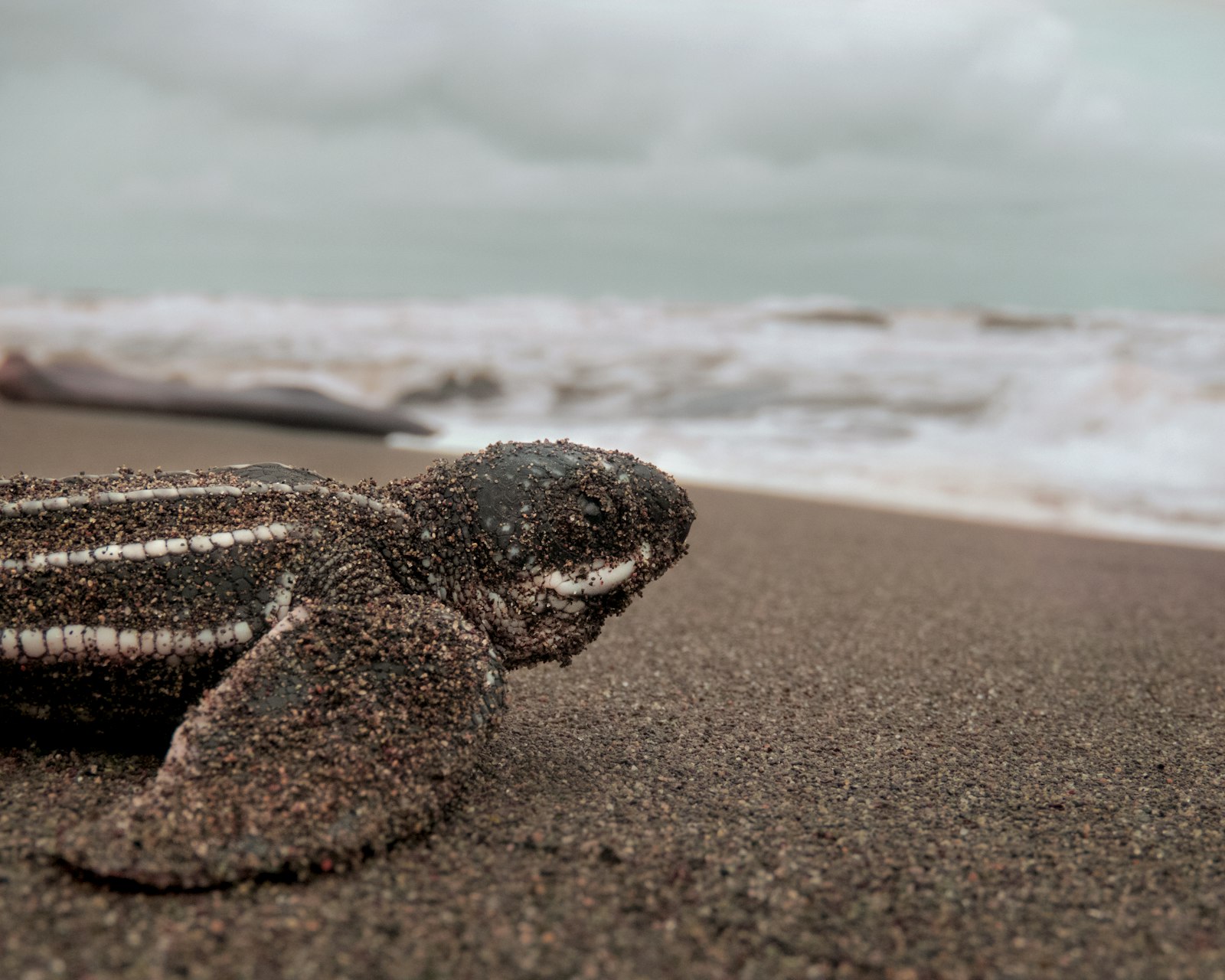
It is the news about leatherback turtles Terengganu has waited almost a decade to hear: the giants are nesting on its beaches again. Between 1 September and 10 October 2026, the Department of Fisheries recorded five leatherback landings along the coast, yielding 313 eggs that are now protected in a hatchery at Rantau Abang.
For Malaysians, this is more than a wildlife story. The leatherback, known locally as penyu belimbing, was once the pride of Terengganu and a pillar of its coastal economy. Its return, however modest, is a sign that years of conservation work and community vigilance may finally be paying off.
Leatherback Turtles Terengganu: A Season to Remember
The first landing came on 1 September at Pantai Pasir Puteh in Marang, where a leatherback laid 44 eggs. Further landings followed at Pantai Rantau Abang on 13 September (81 eggs), Pantai Kuala Abang on 22 September (70 eggs) and Pantai Jambu Bongkok on 1 October (70 eggs), Malay Mail reports.
The fifth landing took place at Rantau Abang in the early hours of 10 October. The turtle came ashore around 3am, began laying at about 4.30am and returned to the sea at high tide around 5.45am, leaving 48 eggs, according to Bernama. That brought the season’s total to 313 eggs.
5 Reasons This Return Matters
1. It Ends a Long Absence
Rantau Abang was once the best-known landing site for the leatherback turtles Terengganu was famous for. In the 1970s, more than 50 female leatherbacks came ashore on a single night at the peak of the season, The Star reports. Numbers then dwindled over the following decades. The last recorded landing at Rantau Abang was in 2010, with one isolated nesting at nearby Jambu Bongkok in 2017.
2. Every Egg Is Being Protected
All 313 eggs are under conservation management at the Rantau Abang Turtle Conservation and Information Centre (TCIC). Teams excavate each nest within hours of a landing and rebury the eggs at 80 to 100 centimetres to mimic a natural nest. The Fisheries Research Institute in Rantau Abang is helping with monitoring and patrols, and photographs each turtle so individuals can be identified.
3. Hatching Season Will Be the Real Test
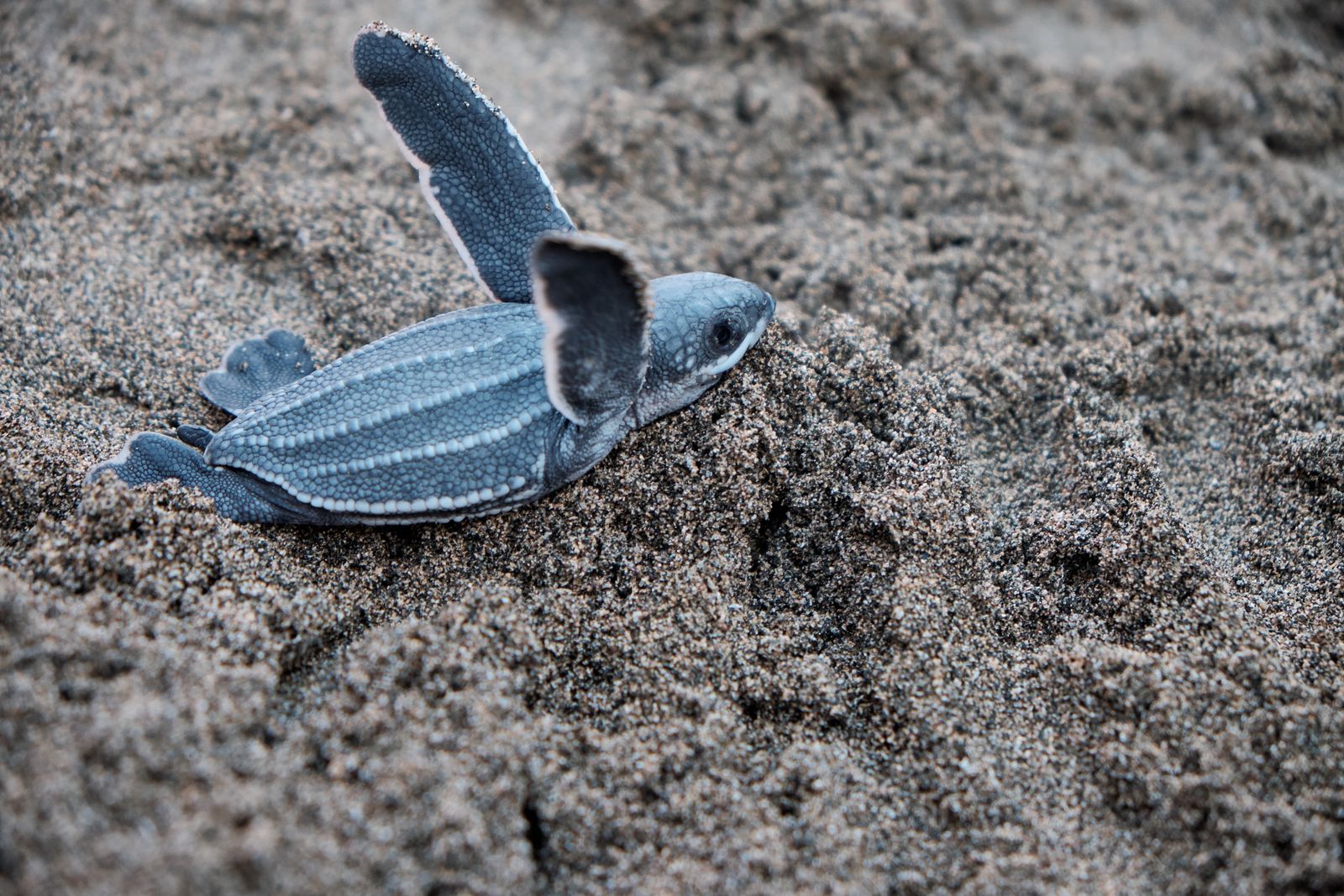
Leatherback eggs incubate for an estimated 55 to 70 days, depending on sand temperature and nest conditions. The first result was a setback: on 16 October, the Department of Fisheries said all 44 eggs from the Marang nest had been found unfertilised, Bernama reports.
The remaining four nests, holding 269 eggs, reach their estimated hatching windows from 7 November through to December. Expectations are cautious. The 2010 and 2017 landings produced no hatchlings, and in 2000 only about six per cent of 1,914 leatherback eggs hatched, which is why every nest is being handled with great care.
4. Fishermen Are on the Front Line
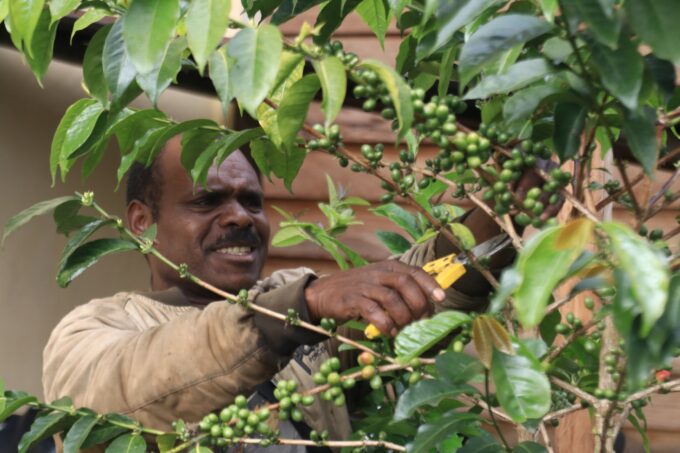
The fourth landing was spotted by a fisherman, who alerted the TCIC before dawn. Director-General of Fisheries Datuk Adnan Hussain has stressed that conservation depends on scientific monitoring, nest management and enforcement, together with community participation, especially from fishermen.
5. It Brings Fresh Hope to Rantau Abang
When leatherbacks drew crowds in the 1970s, about 1,000 tourists a day visited the area at peak season. As landings declined, the local economy suffered. Atan Mat Nor, chairman of the Rantau Abang village development and security committee, told The Star the nestings have given residents fresh hope that visitors could one day return.
If the leatherback turtles Terengganu once drew crowds for keep returning, the state gains a new wildlife draw alongside outdoor events such as the Hulu Berang river challenge, while the East Coast Rail Link promises easier access to the coast.
How Malaysians Can Help
The Department of Fisheries has asked the public not to disturb or touch turtles that come ashore, not to take eggs and not to damage nests. Anyone who sees a turtle landing should report it to the department immediately so officers can secure the nest.
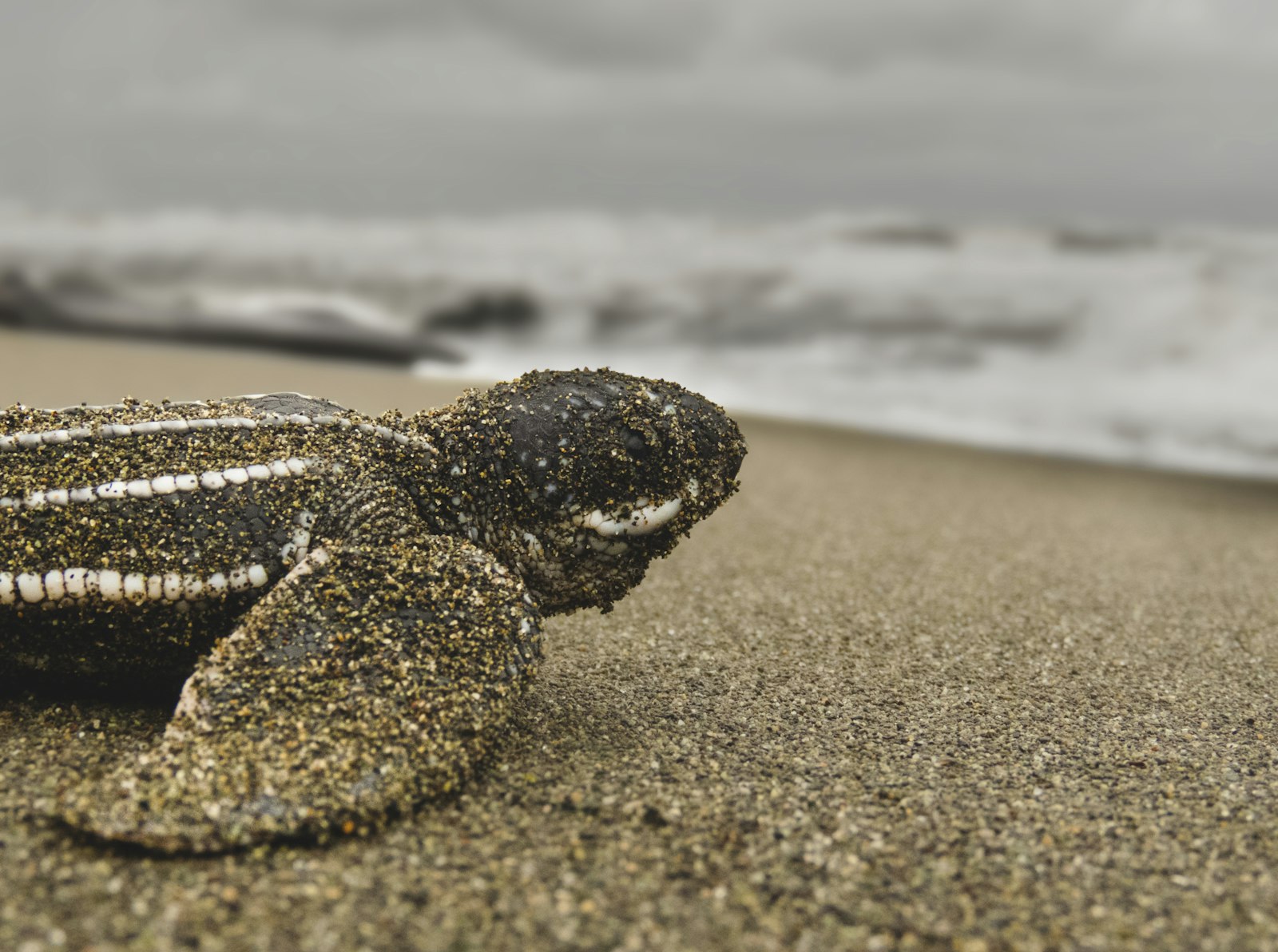
Visitors to Terengganu’s beaches can play their part too: keep beaches clean, keep lights low near nesting areas at night, as the state government has urged businesses along the Rantau Abang coast to do, and follow the guidance of conservation staff. Respecting a nesting turtle’s space is the simplest way to help the next generation of hatchlings reach the sea.
The leatherback’s road to recovery will be long, and one good season does not reverse decades of decline. But five landings and 313 protected eggs are a reminder of what is possible when agencies, researchers and coastal communities work together.
To learn more, visit the Department of Fisheries Malaysia official website.