

Flexibility and independence are becoming the new currency of work. Which means, Malaysia’s gig economy stands as a powerful symbol of progress. With over 1.12 million Malaysians earning through gig platforms and thousands of micro and small businesses thriving alongside them, the sector is no longer on the sidelines… It’s at the heart of Malaysia’s modern economy. Aligned with the Ekonomi MADANI framework, Budget 2026 recognises this momentum by prioritising empowerment as the foundation for resilience.
Empowering The Rakyat Through Sustainable Growth
For platforms like foodpanda, the gig economy’s impact is seen daily. We knew riders are earning on their own terms and restaurant partners reach more customers to consumers enjoying convenience and choice. It’s an ecosystem that doesn’t just create jobs, but also multiplies opportunities across society.
Protecting Gig Workers’ Rights
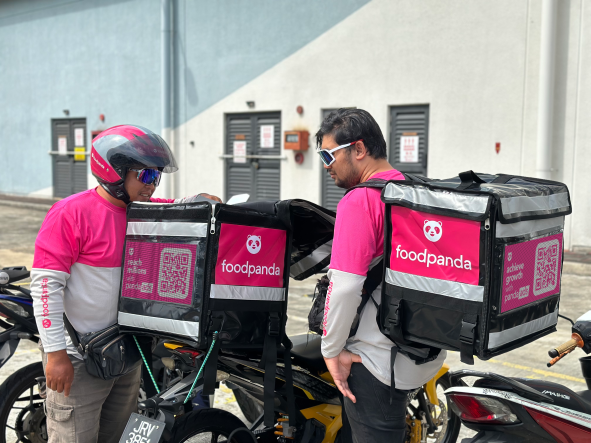
Image via Foodpanda Magazine
One of the most transformative steps on the horizon is the Gig Workers’ Bill, which is a historic move to extend statutory protections to gig workers nationwide. This legislation marks a long-awaited milestone in safeguarding livelihoods and ensuring fair treatment across the sector.
However, the success of this bill will hinge on implementation. Budget 2026 presents the chance to translate policy into action by ensuring the right allocations are in place. Only through well-executed measures can this landmark reform deliver a resilient and protected gig workforce, capable of sustaining Malaysia’s economic dynamism.
Strengthening Resilience Through Skills & Partnerships
Resilience is not just about protection, it’s about preparation. As the gig economy evolves, upskilling and continuous learning remain crucial. Continued SOCSO protection and initiatives like i-TEKAD exemplify how government and private efforts can work hand-in-hand to uplift gig workers.
Expanding Technical and Vocational Education and Training (TVET) opportunities through public-private partnerships can further help workers keep pace with shifting market needs. Beyond technical skills, there is growing recognition of the need for financial literacy and entrepreneurship training. By scaling these efforts in tandem with government-subsidised programmes, gig workers and vendors can be empowered not only to survive but to thrive in the digital economy.
Equally important is the availability of practical support systems. Access to micro-financing for vehicle repairs and innovative insurance schemes tailored to gig workers can help cushion short-term shocks while ensuring sustainable income continuity.
Accelerating Digital And Green Transformation
At the ecosystem level, empowering micro and small businesses is vital. Through digitalisation, vendors can reach new audiences, streamline operations, and improve revenues. Platforms like foodpanda have already seen tangible results from tools that enhance visibility for hawkers, home-based entrepreneurs, and restaurants.
The government’s support in Budget 2026 through micro-grants, tax deductions for digital adoption, and simplified onboarding for traditional businesses can further accelerate this transformation. As Malaysia continues to drive its digital and green economy under the 13th Malaysia Plan, it’s critical that gig sectors advance in tandem.
Enhancing initiatives such as p-hailing Rahmah packages, expanding pandasafe safety programmes, and offering incentives for electric vehicle (EV) motorcycle adoption will help build a safer, greener, and more future-ready gig community.
A Shared Vision For Inclusive Growth
As Malaysia charts its path forward, Budget 2026 represents a statement of intent to foster inclusive, long-term growth. With the right balance of innovation, protection, and partnership, the gig economy can continue to be a key pillar of national progress.
For foodpanda Malaysia, the commitment is clear. They will remain committed to partnering with the government to build an empowered, inclusive, and digitally driven gig economy.