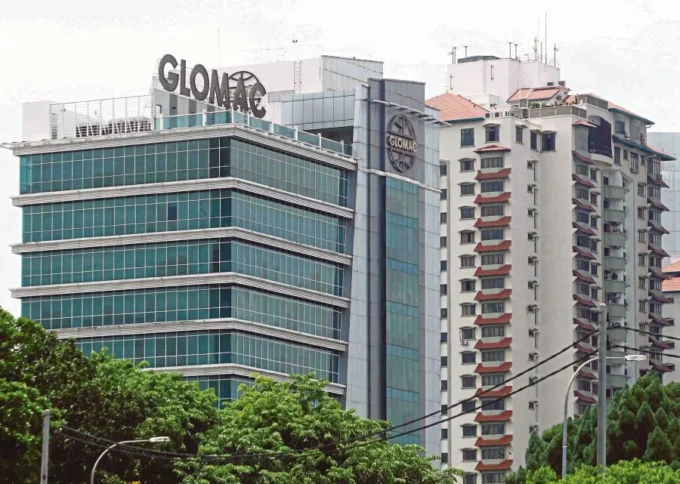

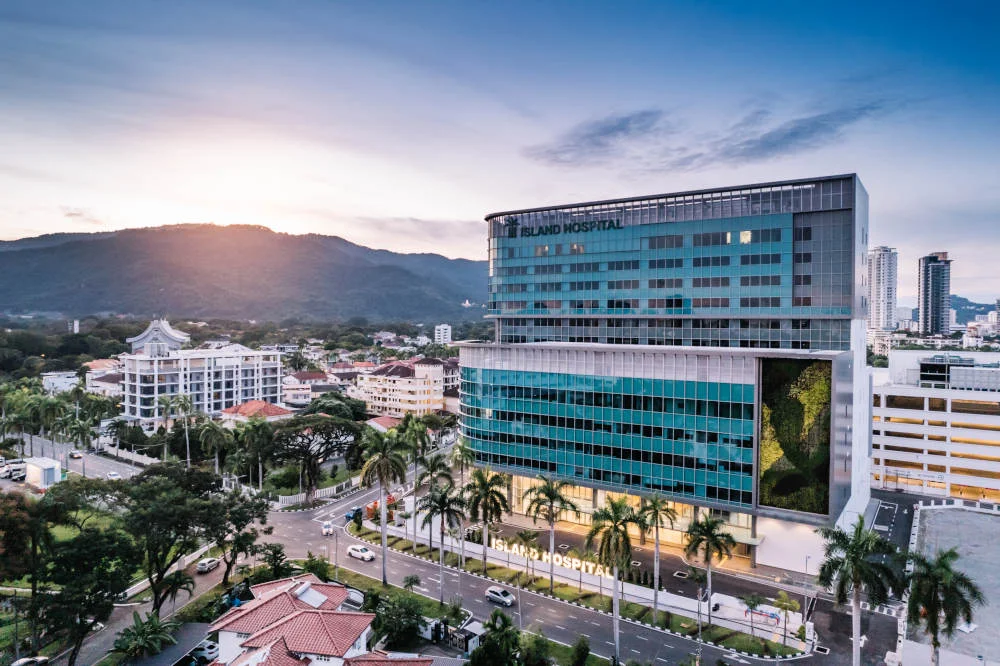
IHH Healthcare’s core profit rose 30% year-on-year to RM678 million in the third quarter of 2026, as more patients checked in for inpatient stays and daycase procedures across its hospitals. For Malaysians, the results point to steady demand at the group’s local brands, which include Pantai, Gleneagles, Island and Prince Court, with medical tourism adding to the numbers.
Core revenue for the quarter came in at RM7.2 billion, up 18% on a constant currency basis. The group said a higher share of complex cases also contributed to growth.
“Our unique, diversified network, with Group synergies and financial discipline complementing targeted strategies for each market, delivered 30% core PATMI growth for Q3 2026,” said Dr Prem Kumar Nair, Group Chief Executive Officer of IHH Healthcare.
Key figures
- Q3 2026 core revenue: RM7.2 billion, up 18% (constant currency)
- Q3 2026 core EBITDA: RM1.7 billion, up 19% (constant currency)
- Q3 2026 core PATMI: RM678 million, up 30%
- Q3 2026 reported revenue: RM7.1 billion, up 8%; reported PATMI: RM679 million, up 10%
- January to September 2026 reported revenue: RM20.7 billion, up 8%; reported PATMI: RM1.8 billion, up 13%
- Cash balance: RM1.5 billion as at 30 September 2026; net gearing at 0.5 times
PATMI refers to profit after tax and minority interests. IHH’s core figures exclude the effects of MFRS 129, the accounting standard for economies with very high inflation.
Malaysia grows at scale
Malaysia was one of three markets that kept up their growth momentum, alongside Türkiye and Europe, and India. Locally, the group recorded stronger inpatient admissions, more daycase treatments and higher medical tourism.
In Türkiye and Europe, where IHH operates as Acibadem, growth was broad-based, supported by both local and foreign patients. In India, results were helped by organic growth and the integration of Fortis Healthcare and Gleneagles India under a maintenance services agreement.
Earlier this month, eight IHH hospitals made Newsweek’s 2027 list, and this week the group launched a free 15551 emergency ambulance line in the Klang Valley.
Singapore steadies
Singapore had a quieter quarter. Hospital occupancy recovered to 52% from lows earlier in the year, with margins of 29%, while inpatient admissions were flat.
To bring in more patients, IHH’s Singapore arm has partnered with insurers AIA, Great Eastern Singapore, Income, Prudential and Singlife. It plans to roll out more competitively priced packages and sign more companies up for employee health programmes.
Stronger ringgit trims reported numbers
Reported revenue grew a slower 8%, partly because a stronger ringgit reduced the value of overseas earnings once converted into local currency. The group said its spread across several countries helped offset global volatility.
What comes next in Malaysia
IHH said it is on a multi-year transformation programme aimed at reaching a double-digit return on equity by 2028.
In Malaysia, its focus is on growing daycase services and medical tourism, building stronger partnerships with insurers and other payors, and expanding selected existing hospitals. The group said this will be done in line with the government’s healthcare priorities, with an emphasis on value-based care.
In Singapore, it aims to attract medical tourists from newer markets. Fortis and Gleneagles India will expand existing sites to meet demand, while Acibadem will keep its spending on new assets light.
“We remain confident in delivering our strategic goals and reaching double-digit ROE by 2028,” Dr Prem said.
IHH Healthcare runs 190 healthcare facilities, including 89 hospitals, across 10 countries with a team of about 76,000. More at ihhhealthcare.com.