

Six homegrown semiconductor chips, designed by Malaysian teams, are now ready for market. Unveiled on 16 October 2026 at the Selangor AI & Semiconductor Summit (AiSEM@Selangor 2026) in Kuala Lumpur, the line-up covers edge AI, AI storage, cars, drones and even satellites, and points to a country moving from “Made in Malaysia” towards “Designed by Malaysia”.
For Malaysians, the milestone matters because chip design is where much of the industry’s value, and many of its best-paid jobs, sit. For five decades Malaysia has been known for testing, packaging and assembling chips. These six products show that local teams can also create the intellectual property inside them.
Homegrown Semiconductor Chips: What Was Launched
All six were developed within the Malaysia Semiconductor IC Design Park, the Selangor-backed initiative run by Selangor Information Technology and Digital Economy Corporation (Sidec), with sites in Puchong and Cyberjaya. Together, the chips carry an estimated combined sales potential of RM300 million, according to The Star, and were brought to market within about two years.

1. SkyeChip MARS1000: AI on the Device
SkyeChip’s MARS1000 is a 7nm edge AI processor that runs AI inference on the device itself rather than in the cloud. Suggested uses include autonomous robots, smart agriculture, video analytics and AI education. Founded in 2019, SkyeChip holds 113 patents across Malaysia, the US and China, and listed on Bursa Malaysia’s Main Market in May 2026, ProductNation reports.
2. MaiStorage aiDAPTIV+: Bigger AI Models, Fewer GPUs
MaiStorage, the regional hub of Taiwan’s Phison Electronics set up in 2024, developed aiDAPTIV+ with Phison. It pairs cache SSDs with memory-management software so a system’s GPU, memory and cache work together. The result lets organisations run larger AI models locally without adding more GPUs.
3. Silicon X FPGA: Malaysia’s First Homegrown FPGA
Silicon X produced what is described as Malaysia’s first homegrown field-programmable gate array, a reprogrammable 14nm chip with 30,000 logic elements. It targets automotive systems and motor control, as well as large LED displays, and the company plans to extend it into telecoms, AI, healthcare and aerospace.
4. Alphaswift FC Mini: A Brain for Drones
Alphaswift Industries’ FC Mini is a compact flight controller for autonomous drones. It carries dual inertial measurement units, a pressure sensor and microSD flight logging, and works with popular open-source flight software such as ArduPilot and Betaflight. Target uses include logistics, agriculture and emergency response.
5. Infinecs Maxwell: Steady Power for Cars
Infinecs Systems’ Maxwell is an automotive power regulator that takes inputs of up to 40V and delivers a stable 3.3V or 5V output. Built-in protection against low voltage, short circuits and overheating, and an operating range of -40°C to 125°C, make it suitable for infotainment screens, headlamps and battery management systems.
6. Weeroc Space Conan: Built for Orbit
Weeroc Space, a European design company with its Malaysian design centre at the Puchong park, developed Conan, a radiation-tolerant controller for gallium nitride-based power conversion in satellites. It handles 12V to 138V and up to 10A, and the company’s work supports projects with the European Space Agency, NASA and Airbus Defence and Space, Malaysia SME reports.
Why Chip Design Matters for Malaysia
Design work sits at the front of the semiconductor value chain. It creates intellectual property that can be licensed and sold worldwide, rather than relying only on manufacturing volume. Malaysia is also using Arm’s intellectual property to shorten design cycles, The Star reports, and an Arm training programme aims to give 10,000 Malaysians IC design skills over four years. Homegrown semiconductor chips also feed Malaysia’s wider push to put AI to work in real-world applications.
Talent Is the Real Story
Behind these homegrown semiconductor chips is a growing pool of local engineers. The two IC Design Parks host more than 400 engineers across 20 companies, with access to design tools from Cadence, Synopsys, Siemens EDA and Keysight. The Advanced Semiconductor Academy of Malaysia at the Cyberjaya park has trained 850 engineers, with a reported 100% placement rate. The summit also hosted a Malaysia Semiconductor Recruitment Day with more than 50 employers hiring.
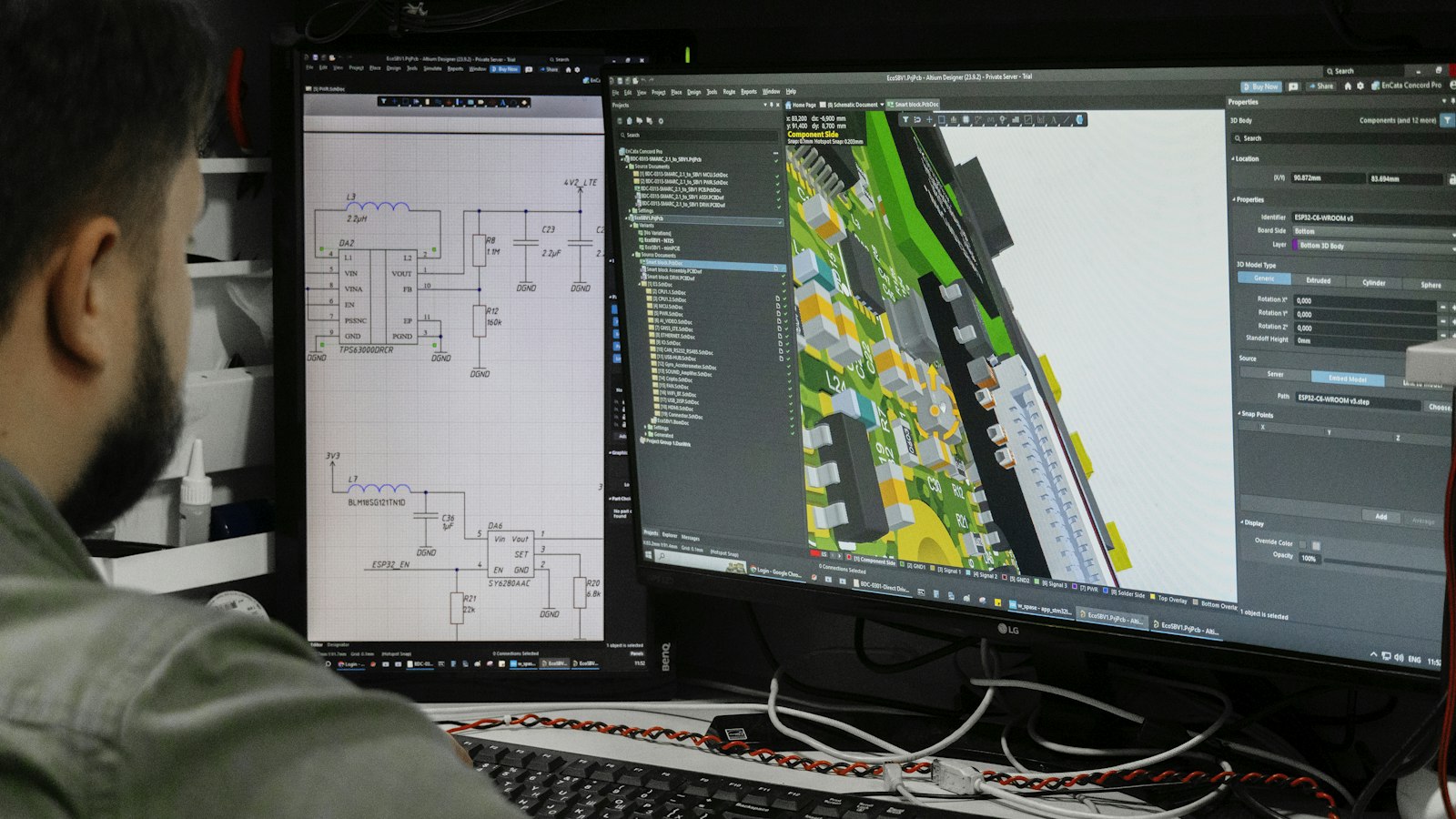
Sidec Chief Executive Officer Yong Kai Ping said the corporation’s focus is to give IC design companies the talent, design tools and funding linkages they need to grow, Malaysia SME reports.
For young Malaysians weighing a career in engineering, the message is encouraging: homegrown semiconductor chips that power AI, cars and satellites are now being designed right here at home.
To learn more, visit the Sidec official website.