
Fatty liver disease can sit in the body for years without causing a single symptom, even in people who feel well and are not overweight. Specialists at Subang Jaya Medical Centre (SJMC) say it is usually found by chance during a routine check-up, and that if it is left unmanaged it can lead to liver scarring, cirrhosis, liver cancer or liver failure.
It is also common. A study based on 2023 Ministry of Health data estimated that 28.2% of Malaysian adults, or about 6.7 million people, have the condition.
Doctors now call it metabolic dysfunction-associated steatotic liver disease, or MASLD. It is not limited to people who are overweight or who drink. It is also linked to diabetes, high blood pressure and high cholesterol, so anyone living with those conditions has more reason to get checked.
Fatty liver disease at a glance
- What it is: excess fat in the liver, now called MASLD. In some people it causes inflammation (MASH), which can scar the liver.
- Who is at risk: people with diabetes, high blood pressure, high cholesterol or excess weight, as well as people of normal weight who carry fat around the abdomen.
- Symptoms: usually none in the early stages.
- Tests: liver enzyme blood tests, the FIB-4 score, a liver stiffness scan (VCTE) and abdominal ultrasound.
- Can it be reversed? Often, especially before heavy scarring. Losing 5% to 7% of body weight may reduce liver fat and inflammation.
- When to see a doctor: if you have any of the risk factors above, ask about your liver health without waiting for symptoms.
Why fatty liver disease often goes unnoticed
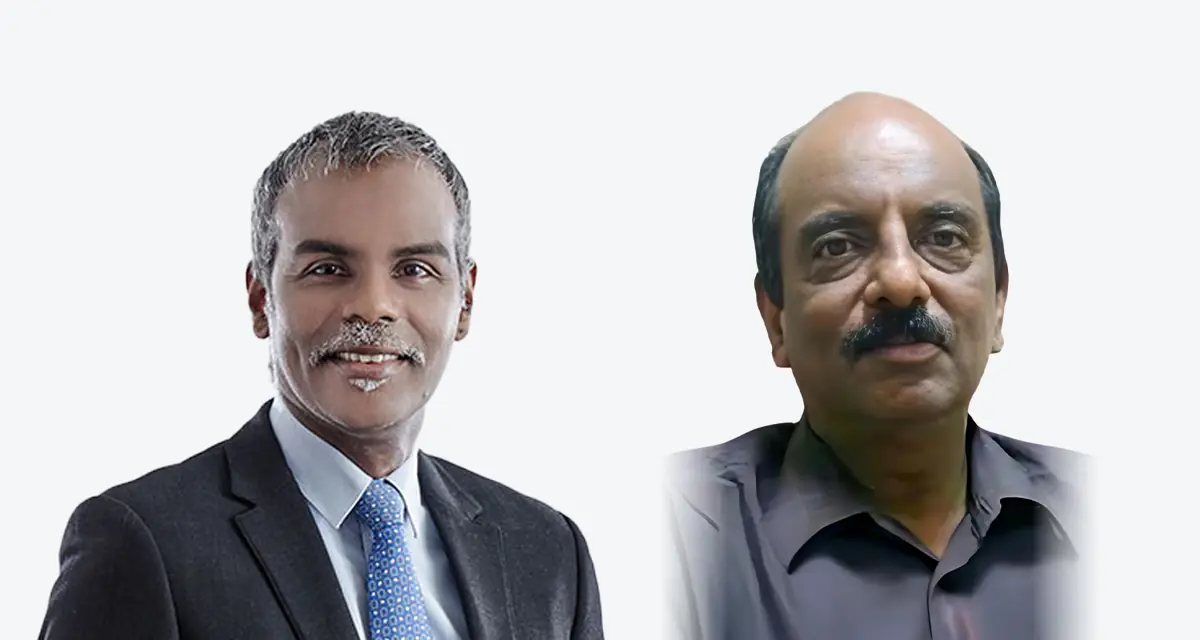
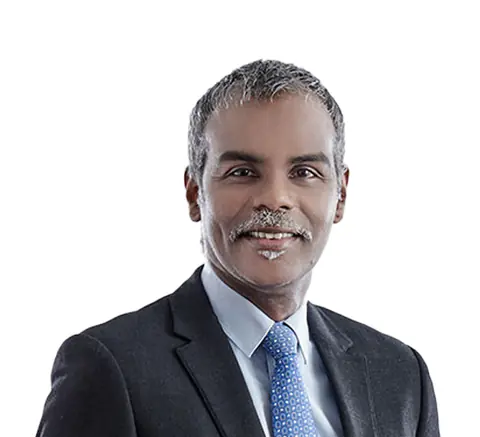
“Fatty liver disease rarely presents with symptoms in its early stages,” said Dr Ganesalingam Kanagasabai, a consultant gastroenterologist at SJMC. It tends to show up only when a routine blood test returns abnormal liver enzyme levels, or when a scan picks up extra fat in the liver.
Body weight is not a reliable guide. People at a healthy weight can still develop the condition, particularly if they carry fat around their internal organs, which shows up as extra fat around the belly.
Not everyone with fatty liver disease goes on to have serious problems. In some people, though, the fat sets off inflammation, known as metabolic dysfunction-associated steatohepatitis (MASH). If that inflammation persists, it can scar the liver (fibrosis). Over time, scarring can progress to cirrhosis and raise the risk of liver failure and liver cancer.
The risks reach beyond the liver. “A significant proportion of people with fatty liver disease develop cardiovascular disease and non-liver-related cancers,” Dr Ganesalingam said.
How doctors test for liver damage
Since fatty liver disease can develop without warning signs, people with metabolic risk factors should ask their doctor which liver checks suit them.
Doctors usually start with blood tests and imaging. The FIB-4 score combines a patient’s age, platelet count and liver enzyme results to estimate the risk of scarring. Where more detail is needed, vibration-controlled transient elastography (VCTE) measures how stiff the liver is, which helps doctors judge the extent of scarring. An abdominal ultrasound can also detect fatty liver, although it may miss milder cases.
Can fatty liver be reversed?
Often it can, especially before extensive scarring sets in. According to Dr Ganesalingam, losing 5% to 7% of body weight may reduce liver fat and inflammation. Losing more than 10% may improve inflammation and, in some patients, the scarring itself.
Regular exercise, a balanced diet and keeping diabetes, blood pressure and cholesterol under control all help. He cautioned against relying on unverified liver detox supplements, which may not work and can even injure the liver. (RiseMalaysia has looked at the liver detox trend before.)
Patients who already have significant scarring still need medical monitoring, even if their liver health improves.
When liver disease becomes serious
As scarring advances, cirrhosis can stop the liver from working properly. Patients may develop a swollen abdomen from fluid build-up, internal bleeding, jaundice, or confusion caused by poor liver function. Advanced disease can also mean repeated hospital admissions, which weigh heavily on patients and their families.
Cirrhosis is a major risk factor for liver cancer. For patients with cirrhosis, fatty liver and metabolic risk factors, doctors may recommend regular surveillance, commonly an ultrasound and an alpha-fetoprotein (AFP) blood test every six months. Finding liver cancer early improves outcomes and may increase the chance of a cure.
When a liver transplant is considered
For patients with end-stage liver disease or liver cancer, a transplant may be an option. Dr R. Krishnan Raman, a consultant general and hepatobiliary surgeon at SJMC, said it may be needed when severe liver damage causes complications such as fluid repeatedly collecting in the abdomen (ascites), serious bleeding, impaired brain function (hepatic encephalopathy) or worsening jaundice.
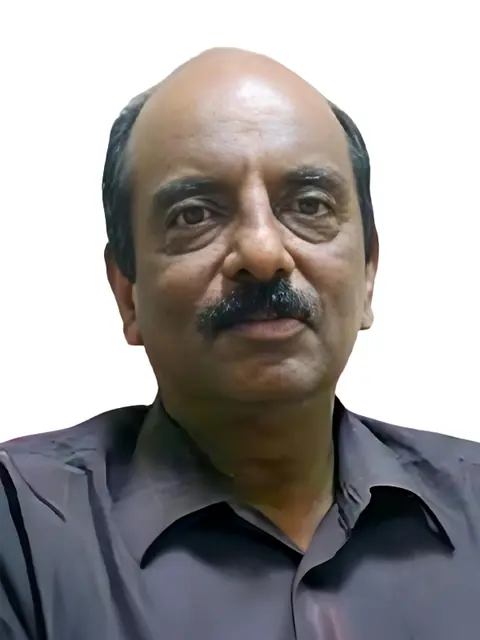
The operation is complex. Dr Krishnan said it requires specialised facilities, often found in a quaternary-care hospital, and a multidisciplinary team that stays with the patient from assessment to recovery. That team includes surgeons, gastroenterologists, anaesthetists, radiologists, pathologists and intensive care staff.
Deciding who is suitable takes a careful look at the patient’s condition and overall health. For cancer patients, the size and number of tumours also count. Donors are assessed too, to make sure donation is safe for them and that enough healthy liver tissue can be given to the recipient.
Fatty liver matters on the donor side as well. “If there is any evidence of disease, especially fatty liver, then the amount of liver we leave behind becomes more important,” Dr Krishnan said.
Protecting your liver
Fatty liver disease does not inevitably lead to cirrhosis or cancer. Finding it early and managing the risk factors behind it can prevent serious complications.
Dr Ganesalingam recommends a balanced diet, regular exercise, not smoking, and limiting or avoiding alcohol, particularly for people who already have liver disease. People with diabetes, high blood pressure, high cholesterol or excess weight should ask a doctor about their liver health rather than wait for symptoms to appear.
Details of SJMC’s liver transplant and related services are on the Subang Jaya Medical Centre website.
Subang Jaya Medical Centre is a 442-bed private quaternary hospital and a member of Asia OneHealthcare (A1H); RiseMalaysia also covered its SJMC Run 2026 and free mammogram drive in October.