

Patients should receive a written hospital cost estimate before they agree to a planned procedure, MAHSA Specialist Hospital chief executive officer Dato’ Dr. Anitha Haniffa said in an opinion piece dated 18 November 2026. Her argument is simple: the money conversation belongs alongside the medical one, not at admission or when the final bill arrives.
Doctors already walk patients through the diagnosis, the proposed procedure, its risks and the recovery, said Dr. Anitha, a surgeon who heads the private hospital in Bandar Saujana Putra, Selangor. Cost is part of the same decision for the patient, and that includes what insurance may pay and what the family may have to cover. “A treatment plan can be medically sound yet financially overwhelming,” she wrote.
Hospital cost estimate: what to ask before you agree to a procedure
- A written hospital cost estimate with a breakdown. Ask for it before you consent. It should show what is included, what is excluded and what could push the total up, such as extra tests, closer monitoring or a longer stay. Where treatment is predictable, ask if there is a fixed package.
- What your policy really covers. Check it against the hospital cost estimate: the exclusions, how much of your limit is left and what you may pay yourself. Having insurance or takaful does not mean every charge is covered.
- Whether the hospital is on your insurer’s panel. Your ability to use a hospital’s specialists and facilities on your policy depends partly on its participating provider network.
- How much you pay upfront. MAHSA Specialist Hospital’s own payment and billing page, for example, lists a minimum deposit of RM500 for local patients with an insurance or corporate guarantee letter, to cover charges the policy does not.
- An early update if things change. If your condition or treatment changes during your stay, your family should get an updated hospital cost estimate early.
- Your doctor’s view before cutting costs. If money is tight, say so. Your doctor can explain the risk of delaying a test or going home early, and look for safer alternatives.
For routine check-ups, some government programmes cover screening at no cost. See our guide to free health screening in Malaysia.
Uncertainty is no excuse for a vague hospital cost estimate
Dr. Anitha accepted that no hospital cost estimate can cover every possibility. An operation that looks routine can turn complex, and a patient may need more investigations, closer monitoring or extra days in a ward.
That uncertainty, she said, should be explained to the patient rather than used as an excuse to tell them very little. Making estimates, billing information and payment options easier to find is a start. It only works if patients understand what the figures mean and what they may still owe.
When cost reaches the bedside
Looking back on her years in government service, Dr. Anitha said her focus there was on what needed to be done within the resources available. A patient’s ability to pay was far less central to the discussion.
Private practice adds another layer. The clinical recommendation now comes with questions about the remaining insurance limit, insurer approvals and what the family can afford on its own. Money already shapes many family decisions in Malaysia, as RiseMalaysia’s report on the RMFLS 2026 financial literacy survey shows.
The hardest moments, she wrote, come when a patient asks whether a test can wait or whether they can leave hospital earlier than advised. The doctor then has to explain the consequences, look at suitable alternatives and keep the patient safe, while recognising the financial worry behind the question.
Good practice, she added, means avoiding unnecessary tests and picking effective, cheaper options where they fit. Patients should not assume that more expensive care is always better. But trimming waste is different from leaving necessary care undone.
Who else shapes the bill
“A transparent bill can still be an unaffordable bill,” Dr. Anitha wrote. Fixing that, in her view, means looking at what sits behind hospital charges.
Private hospitals pay for clinical teams, nursing, maintenance, infection prevention and emergency readiness, and many of those costs run whether or not beds are full. Recruiting and keeping skilled staff is a long-term commitment of its own.
Hospitals do not set every cost either. Medicines, medical devices, equipment servicing and digital systems all feed into the price of treatment. Electronic records can make care safer and better coordinated, but subscriptions, licences, maintenance and upgrades create recurring costs, and switching to another provider once a hospital depends on a system can be disruptive and expensive. Dr. Anitha called for clearer pricing, predictable contract terms and systems that share information more easily, and said suppliers should be part of the affordability debate.
Insurers and takaful operators matter too. Their decisions on which hospitals join their panels affect whether insured patients can use the specialists and equipment a hospital has invested in. Clear criteria, reasonable assessment timelines and constructive engagement, she said, would help hospitals plan their services and help patients understand their choices.
Shared responsibility, starting with the hospital cost estimate
None of this excuses poor communication or unexplained charges, Dr. Anitha said. Hospitals still have to improve their estimates, check their efficiency and show the value of their care.
Suppliers influence what medicines and technology cost, insurers influence funding and access, and hospitals and clinicians influence how resources are used. Policy, she said, has to bring those responsibilities together without compromising patient safety. A clear hospital cost estimate, explained before the patient agrees to treatment, is the part hospitals can act on now.
Dr. Anitha noted that the views reflect her perspective as a healthcare professional and tertiary healthcare provider, and do not represent all private healthcare providers.
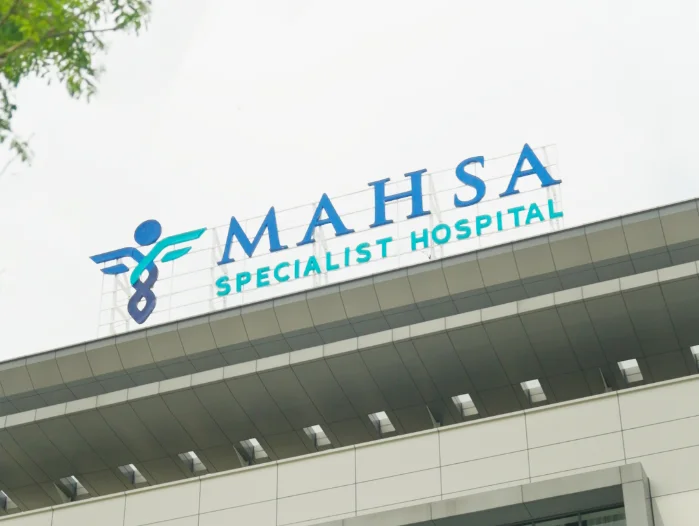
MAHSA Specialist Hospital is a private hospital in Bandar Saujana Putra, Selangor, that began operating in May 2024.