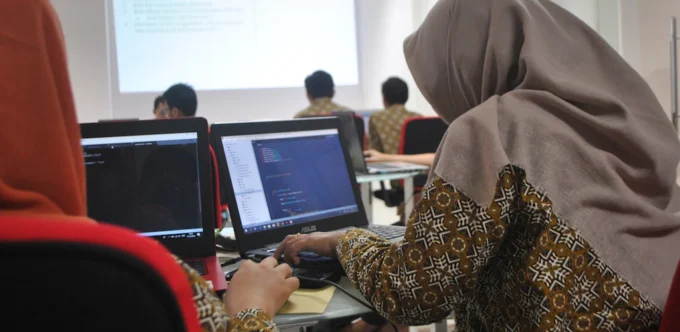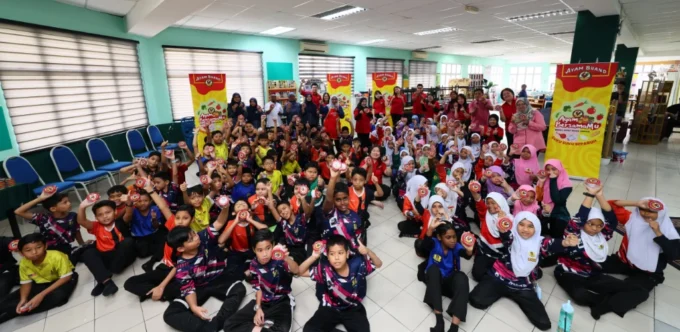

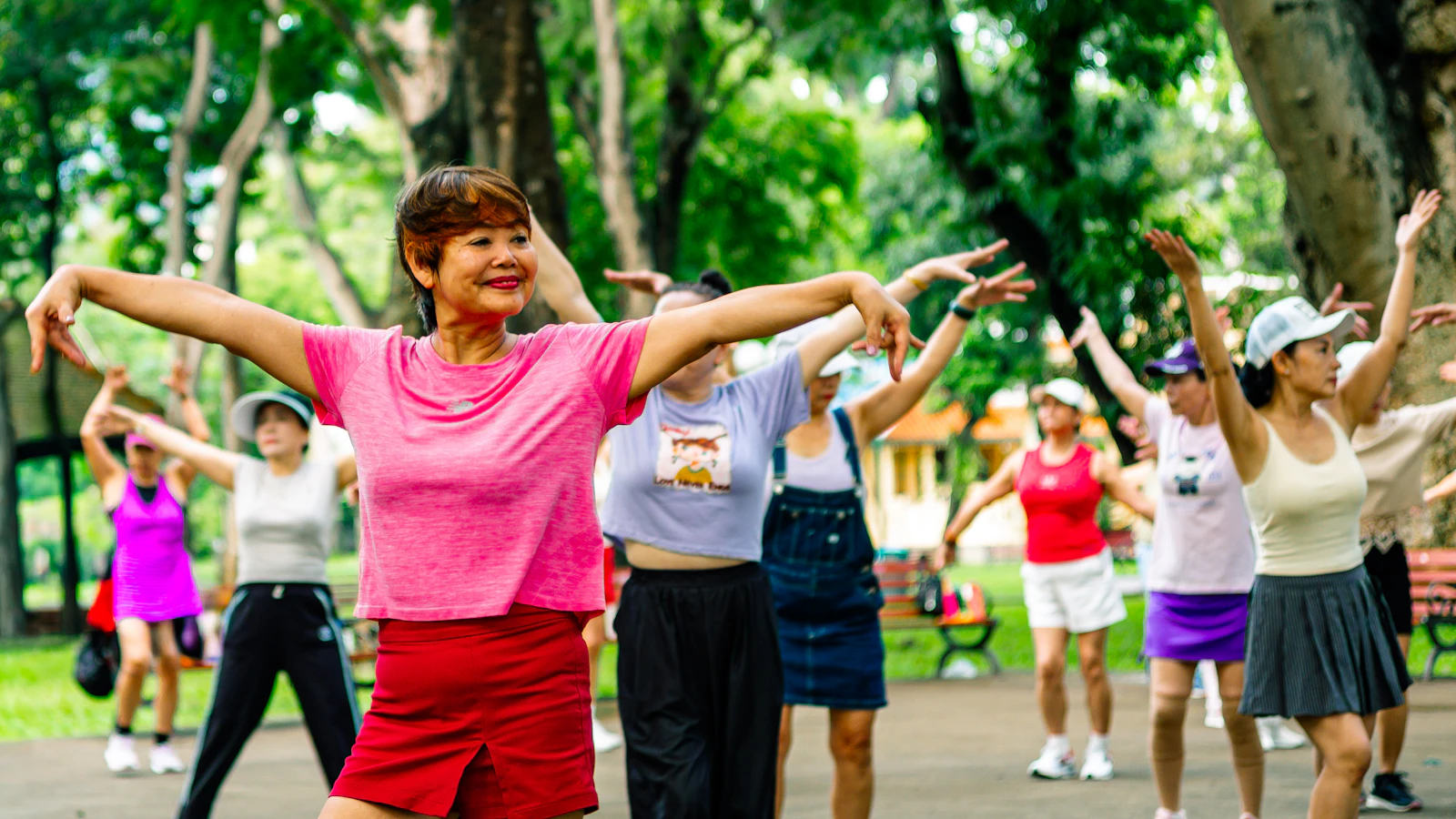
Across Malaysia, hundreds of neighbourhood centres are helping older Malaysians stay active, connected and learning. Known collectively as PAWE Malaysia (Pusat Aktiviti Warga Emas), these community hubs offer everything from tai chi and yoga to cooking classes and gotong-royong.
As Malaysia’s population ages, PAWE centres are becoming an important part of community life. Here is what families and seniors should know, as of November 2026.
Why PAWE Malaysia Matters
Malaysia crossed into ageing-nation status in 2021, according to PNB Research Institute. Staying socially and physically active is one of the best ways for older adults to maintain wellbeing, and PAWE centres bring those opportunities close to home.
For many retirees, the biggest change after leaving work is losing daily routine and regular contact with colleagues. A local centre with scheduled classes and familiar faces can fill that gap, giving seniors a reason to get out of the house, learn something new and share their own experience with others. Staying connected matters for mental wellbeing too, as our guide to depression among the elderly explains.
6 Things to Know About PAWE Malaysia
1. There are 217 centres nationwide, with more planned
Malaysia had 217 PAWE centres with nearly 49,000 active members as of February 2026, Bernama reported. The Social Welfare Department (JKM) plans to add more this year. “There is a plan to add up to 20 new PAWE this year, subject to available allocations,” said Datuk Che Murad Sayang Ramjan, Director-General of JKM.
2. It is for older Malaysians aged 60 and above
According to the government’s MyGOV portal, PAWE serves older people aged 60 and above who are healthy, able to move around independently and living near a centre.
3. Activities keep body and mind active
Programmes vary by centre but commonly include:
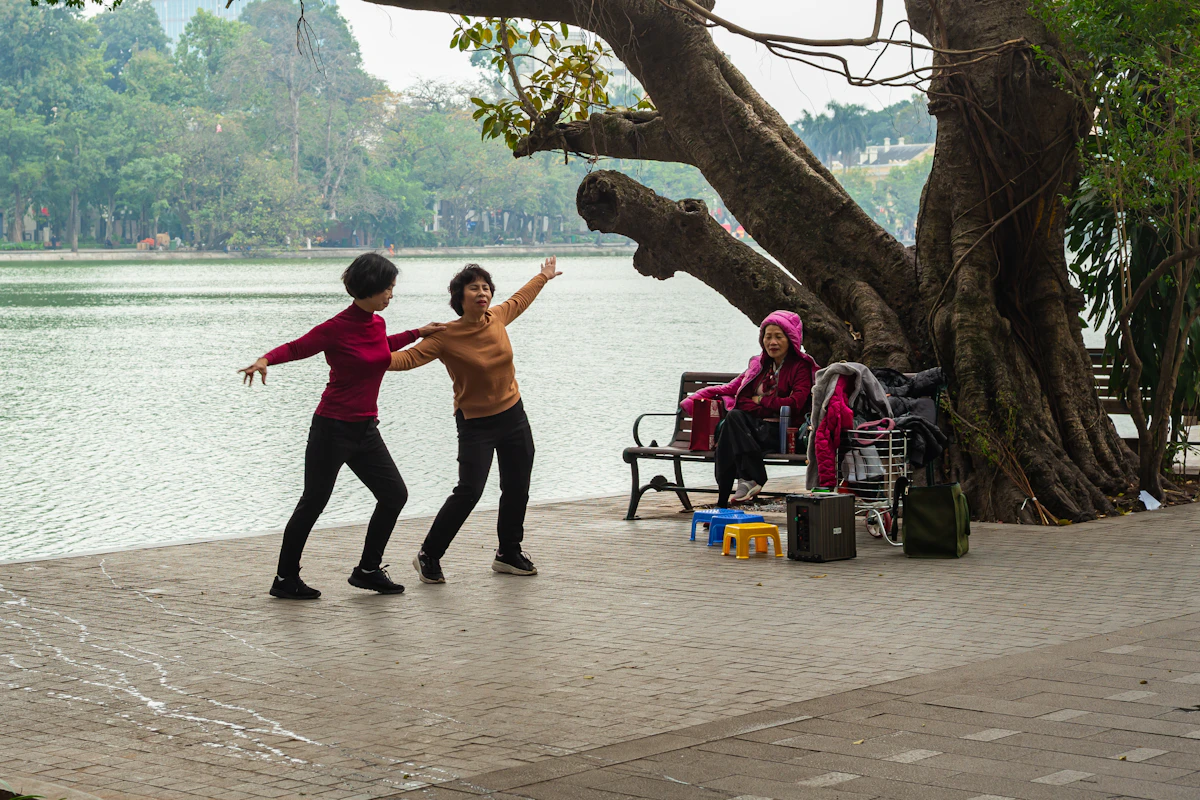
- Exercise such as senamrobik, tai chi and yoga
- ICT, handicraft, cooking and sewing classes
- Health and religious talks
- Study visits, community service and gotong-royong
- Home visits and social support programmes
4. Each centre receives dedicated funding
Each PAWE receives an annual grant of RM50,000 for programmes and operating costs. For communities without dedicated premises, a PAWE 3A grant of RM20,000 helps bring activities to more neighbourhoods, so seniors in smaller towns and villages are not left out simply because there is no building nearby.
5. Families and volunteers can take part too
PAWE Malaysia is built on partnership between the Ministry of Women, Family and Community Development, other agencies, NGOs and local communities. Family members, volunteers and organisations can contribute by running activities, sharing skills or supporting outreach.
6. Finding a centre is easy
The MyGOV portal offers a PAWE search service to locate centres by area. You can also contact your nearest district Social Welfare Office for details on activities, schedules and how to register.
How Families Can Help
- Visit a nearby centre with your parent or grandparent for the first session.
- Check whether transport is available, as getting to the centre can be a barrier for some seniors.
- Encourage friends in the same neighbourhood to join together.
- Offer a skill, such as smartphone basics or cooking, as a volunteer.
- Ask about health talks or screenings the centre may host with local clinics.
Small steps like these can make a big difference. A first visit is often the hardest part, and having a family member along can make new members feel welcome from day one. Encourage regular health checks as well, such as a bone health screening.
The Bottom Line
With 217 centres, nearly 49,000 members and more on the way, PAWE Malaysia gives older Malaysians a welcoming place to exercise, learn and make friends close to home. For families, it is a simple way to help loved ones age actively and stay connected to their community.
For more on services for senior citizens, visit the Social Welfare Department (JKM) official website.