
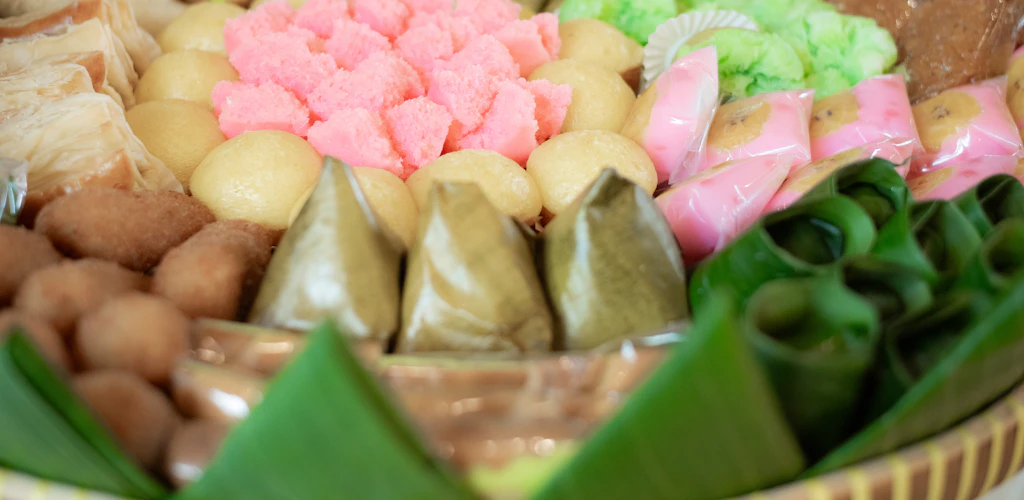
Walk past any pasar pagi, Ramadan bazaar or neighbourhood stall at tea time and you will find trays of colourful Malaysian kuih. These bite-sized cakes and parcels are one of the easiest ways to taste the country’s mix of Malay, Peranakan and Chinese food traditions in a single afternoon. Here is a friendly guide to 10 favourites worth seeking out.
What makes Malaysian kuih special
Kuih come in every shape, colour and size, and most are cut into small pieces made for sharing after a meal or with a cup of teh tarik. Many rely on the same handful of ingredients: rice or glutinous rice flour, coconut milk, pandan and gula Melaka, the dark palm sugar that gives many kuih their caramel depth. Some are steamed, some baked, and several arrive wrapped in banana leaf.
According to Time Out Kuala Lumpur, the word kuih traces back to the Hokkien term for rice cakes, and the recipes have been handed down through generations of Malay and Peranakan cooks. Kuih remain a staple at weddings, kenduri and other family celebrations.
10 traditional Malaysian kuih to try
1. Kuih lapis
The most photogenic of the lot. Thin layers of steamed rice flour batter are stacked in alternating colours, and many people eat it by peeling the layers off one at a time, as Tourism Malaysia notes.
2. Seri muka
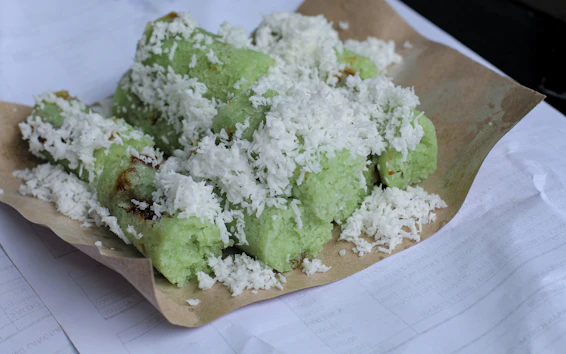
A two-tone classic with a salty glutinous rice base and a sweet, bright green layer of pandan and coconut custard on top. The contrast between salty and sweet is the whole point.
3. Onde-onde
Small, chewy glutinous rice balls rolled in grated coconut. Bite carefully: the centre usually holds melted gula Melaka that bursts out when you eat it.
4. Kuih koci
Glutinous rice dough filled with coconut cooked in gula Melaka, then wrapped in banana leaf and steamed. It is a common breakfast and tea-time choice.
5. Tepung pelita
A soft, wobbly custard steamed in little banana-leaf cups, with a white coconut milk layer over a sweet green layer. It is a favourite at Ramadan bazaars and has East Coast roots.
6. Kuih ketayap
Also known as kuih dadar, this is a green pandan crepe rolled around grated coconut sweetened with gula Melaka. Simple, fragrant and easy to love on a first try.
7. Kuih bingka ubi
A baked cake made from grated tapioca, eggs, sugar, pandan and coconut milk. Expect a yellow, springy texture and a lightly caramelised top.
8. Pulut tai-tai
Glutinous rice tinted blue with bunga telang, the butterfly pea flower, pressed into a block and served with kaya. It is also known as pulut tekan, and the kaya adds a rich, sweet finish.
9. Lepat pisang
Mashed banana, flour, grated coconut and a pinch of salt steamed in a neat banana-leaf parcel. It is a good way to use up very ripe bananas, which is exactly why home cooks love it.
10. Karipap
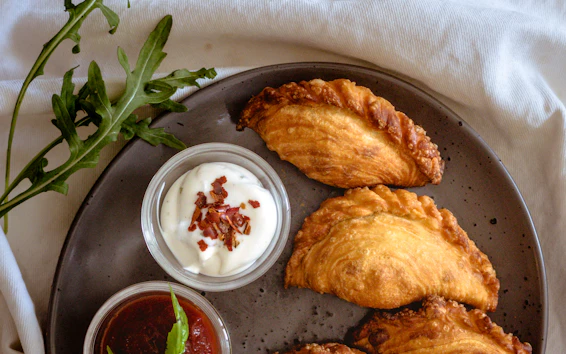
Not every kuih is sweet. The curry puff, or karipap, has a crisp pastry shell filled with spiced potato, chicken or curry, and some stalls add boiled egg or sardines.
Tips for enjoying kuih like a local
- Go early. Many stalls sell out by mid-morning, and kuih are best eaten fresh on the day they are made.
- Mix sweet and savoury. Pairing a karipap with seri muka or kuih lapis is a classic combination.
- Ask the seller. Names change between states and communities, so the same kuih may have a different name in Penang, Kelantan or Melaka.
- Pair it right. A cup of kopi, teh tarik or plain tea balances the richness of coconut and palm sugar.
A taste of Malaysia’s shared heritage
Part of the joy of Malaysian kuih is how they cross community lines. A single tray at a pasar malam or a Ramadan bazaar might hold Malay, Nyonya and Chinese recipes side by side, each shaped by generations of home cooks. Trying a few is an easy, affordable way to explore that shared story, one bite at a time.
For more ideas on where to eat and what to try, visit Tourism Malaysia’s official website.