

Malaysia’s National Heritage 2026 list adds 69 new entries to the register, from beloved dishes such as mi kolok, kek lapis and nasi kandar to rare manuscripts, festivals and the master artists who keep old crafts alive. The list, unveiled at the Sixth National Heritage Declaration in Putrajaya this week, is a reminder that heritage is not only found in museums but also on our breakfast tables, in our wedding customs and in the hands of living masters.
For Malaysians, the recognition gives legal protection and a fresh spotlight to traditions that many of us grew up with, and it opens new opportunities for heritage tourism in every state.
National Heritage 2026 at a Glance
According to a Bernama report on the announcement by Deputy Minister of Tourism, Arts and Culture Chiew Choon Man, 39 of the 69 items have been declared so far, with a further 30 to be gazetted later. Sixteen heritage objects are among those declared. Under the National Heritage Act 2005, the final authority to declare an item as National Heritage rests with the minister.
Chiew stressed that the declaration is more than a title, and that the authenticity and value of each item must be preserved even as its tourism potential grows.
5 Proud Highlights From the National Heritage 2026 List
1. A Feast of Heritage Food
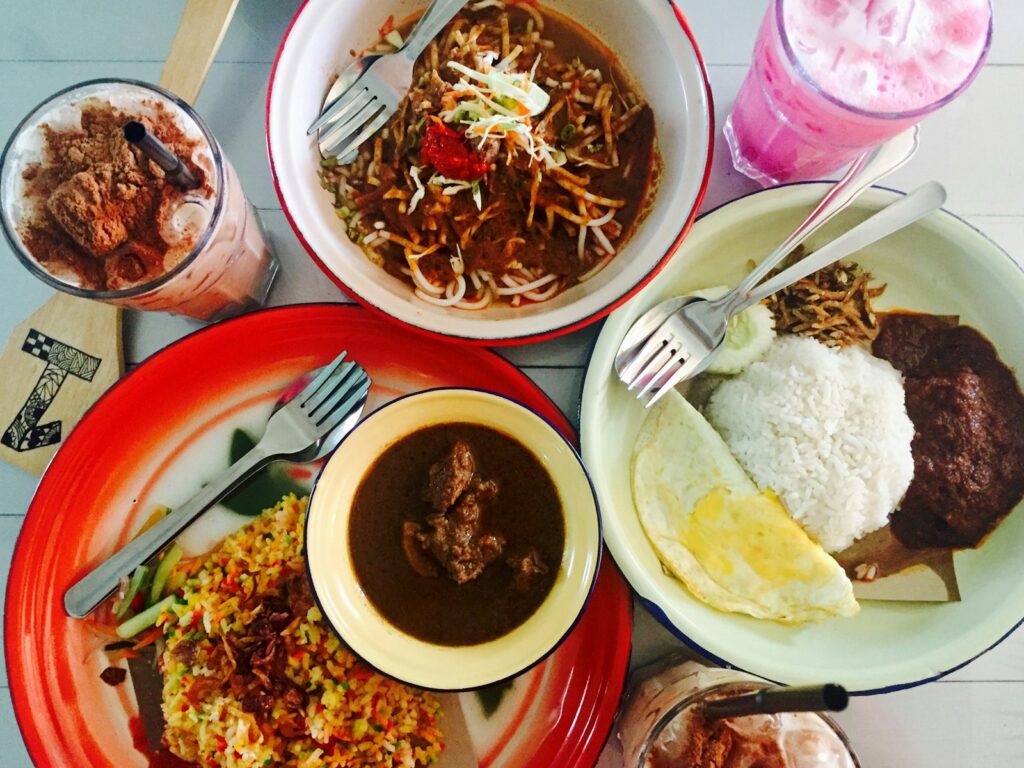
Food lovers have plenty to celebrate in National Heritage 2026. The newly recognised dishes include Sarawak’s mi kolok and kek lapis, uthappam, kacang pool, apam Johol and kuih chang, together with Penang favourites nasi kandar, char kue kak and pasembur. Malaysian breakfast culture itself has also been recognised, a fitting nod to the morning rituals that bring people of every background to the same table.
2. Festivals and Customs That Bind Communities
Tadau Kaamatan, the Kadazandusun harvest festival, has been recognised, while Hari Gawai is among the items lined up for gazettement. Baba Nyonya wedding customs and the tahnik tradition also feature, showing how Malaysia’s cultural mosaic is reflected in its official heritage list.
3. Crafts and Textiles From Across the Nation
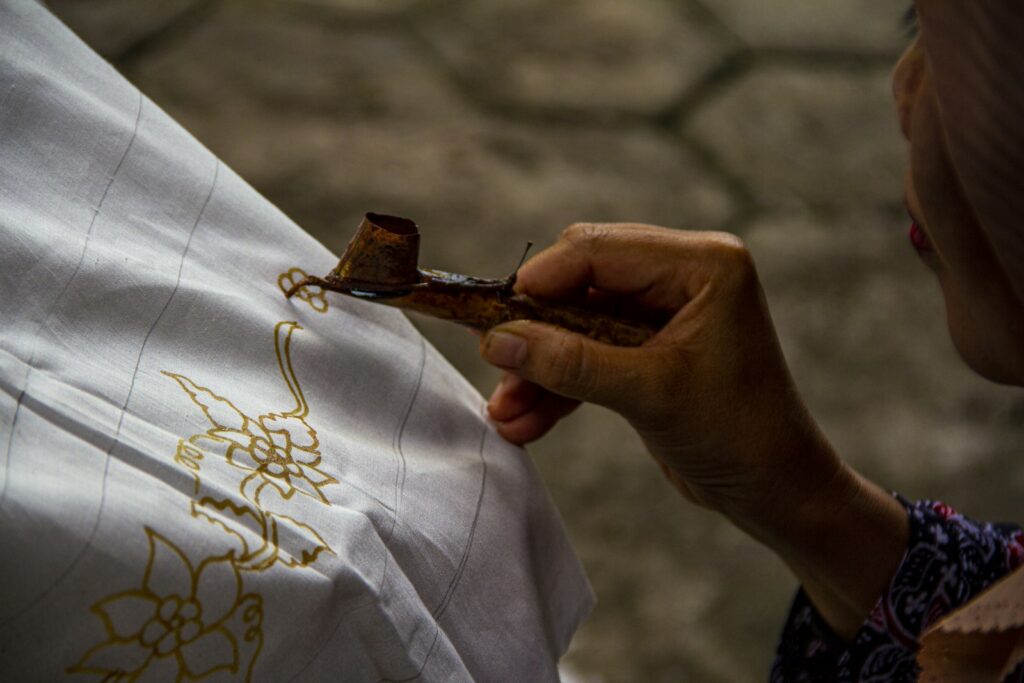
Copperware, terompah (wooden clogs), tajau (ceramic jars), the Sabahan sompoton mouth organ, kain punca potong, kain Limar Tenggarung and baju Sikap are among the crafts and textiles honoured. Each represents generations of skill passed from one artisan to the next.
4. Stories and Historic Objects
Classic tales such as Hikayat Puteri Saadong, Lagenda Mahsuri, Lagenda Puteri Santubong and Tuhfat Al-Nafis are now part of the register. Objects declared include the Mushaf Al-Quran Terengganu, the ceremonial maces used in the Dewan Rakyat in 1952 and the Dewan Negara in 1966, and the table used at the first Cabinet meeting chaired by Tunku Abdul Rahman.
5. Living Masters Honoured
Eleven individuals have been named Living National Heritage (WAKOH) figures, each receiving a certificate, RM20,000 and incentives from the ministry. Those named in public reports include Che Mohd Nasir Yusoff for Kelantan wayang kulit, Salbiah Muhi for keringkam embroidery, and Siow Ho Phiew for lion dance performance and lion head making.
Universiti Sains Malaysia’s adiguru Che Mat Jusoh, 72, was recognised for nearly 58 years of preserving and teaching makyung and Kelantan wayang kulit. He told Bernama that traditional knowledge cannot be passed on in a hurry, and must be taught patiently and with commitment.
In Penang, Teochew iron-rod puppeteer Toh Ai Hwa became the first Penang woman to receive the award, as reported by Malay Mail. National Heritage Department director-general Mohamad Muda Bahadin said the recognition should serve as a catalyst for passing on knowledge, providing training and involving a new generation.
Why This Matters for Malaysians
Heritage status gives these traditions protection and visibility, but its real value lies in what happens next. When a dish, craft or performing art is formally recognised, it becomes easier for schools, museums, state tourism agencies and community groups to tell its story and to support the people who practise it.
For young Malaysians, the National Heritage 2026 list is also an invitation. Learning a craft from a master, ordering a heritage dish at a family-run stall or attending a Kaamatan celebration are simple ways to keep these traditions alive.
How to Explore Malaysia’s Heritage
The National Heritage Department maintains the official register and information on declared items. Many of the newly recognised foods and crafts can be found at local markets, cultural festivals and state museums across the country.
To learn more, visit the National Heritage Department official website.