
Efforts to improve student mental health Malaysia-wide are gaining greater attention as three universities work together to create more supportive learning environments.
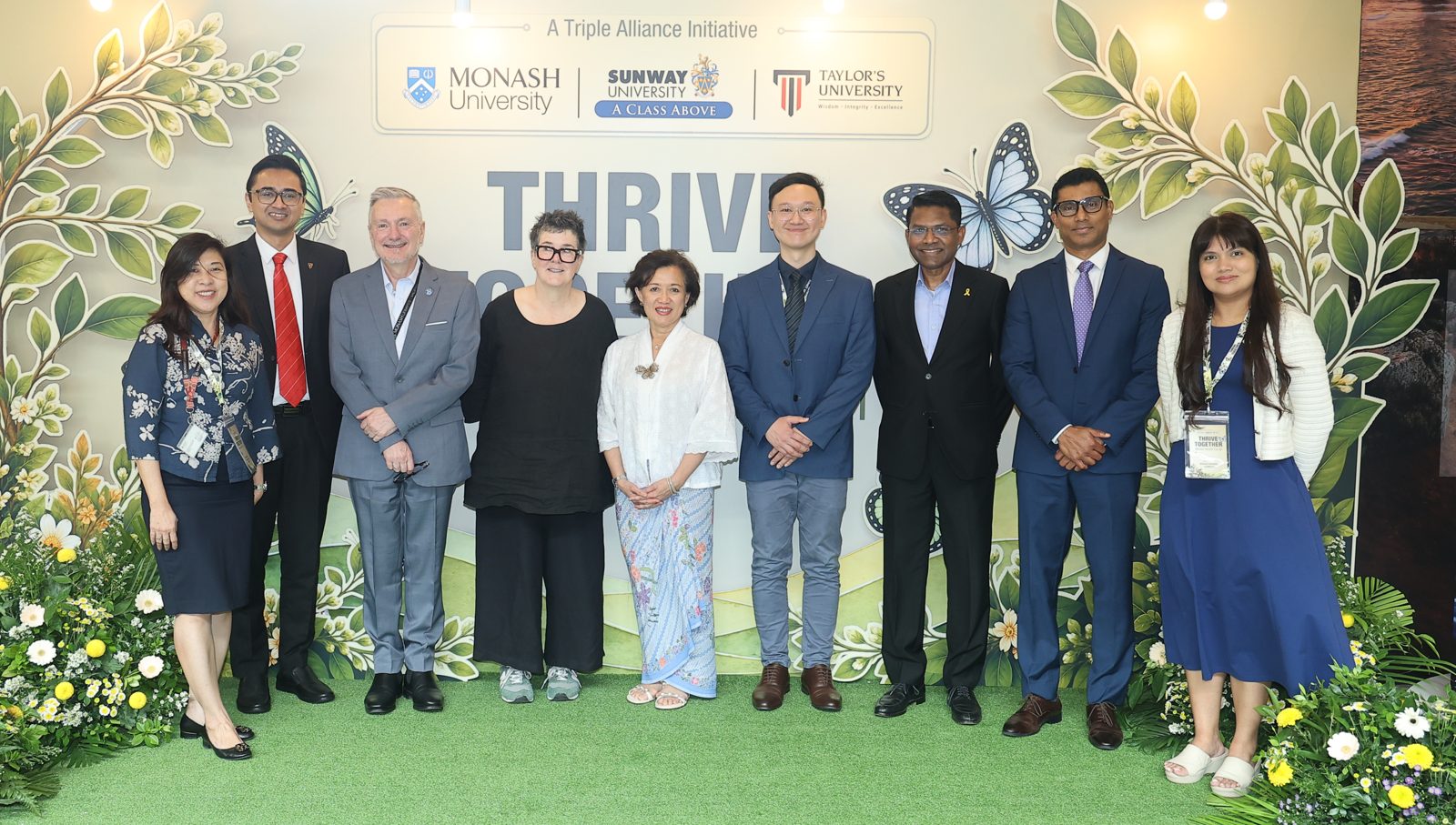
Monash University Malaysia, Sunway University and Taylor’s University have joined forces through Thrive Together 2026, a two-day initiative focused on mental health awareness, early support and student wellbeing.
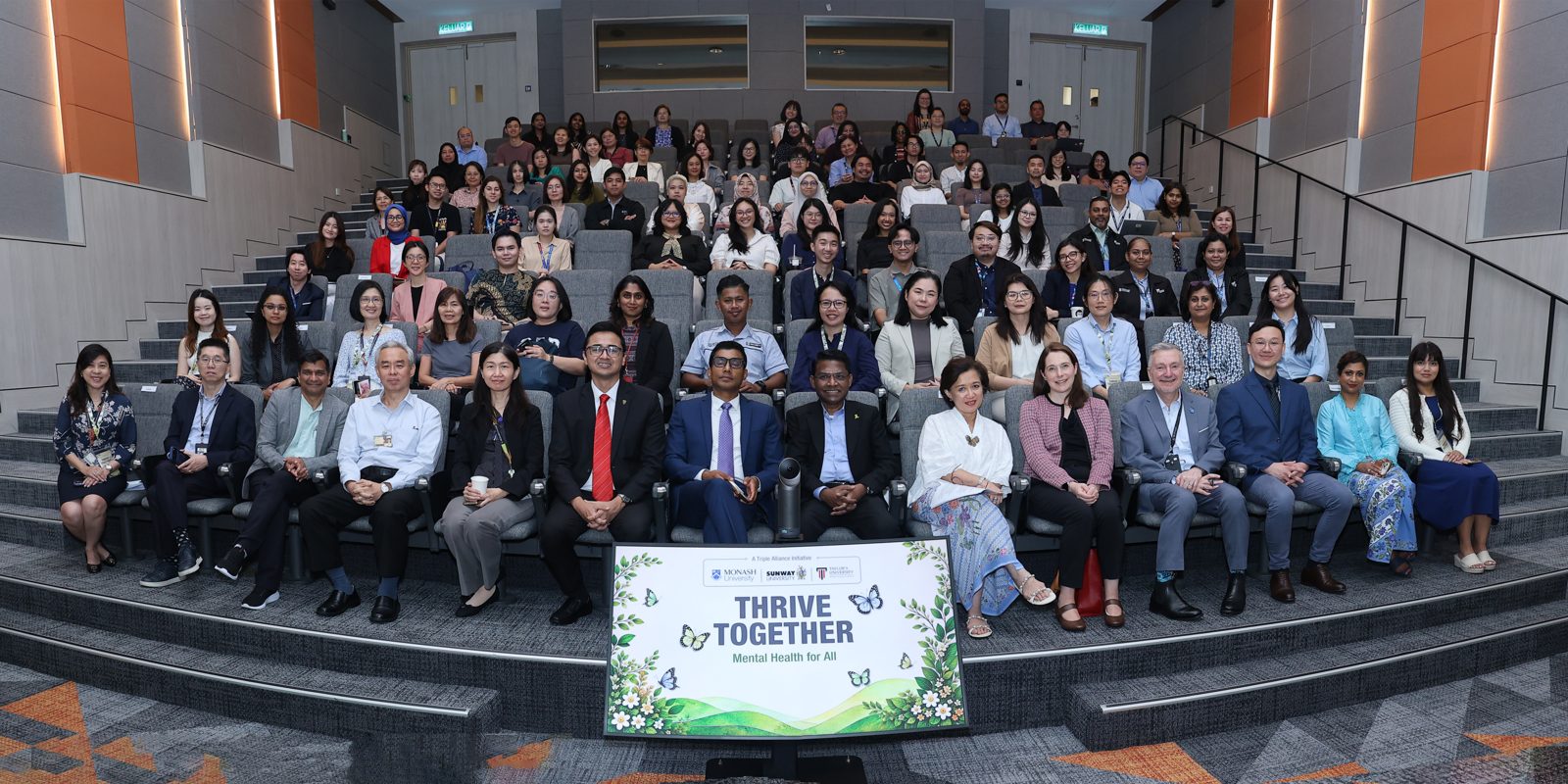
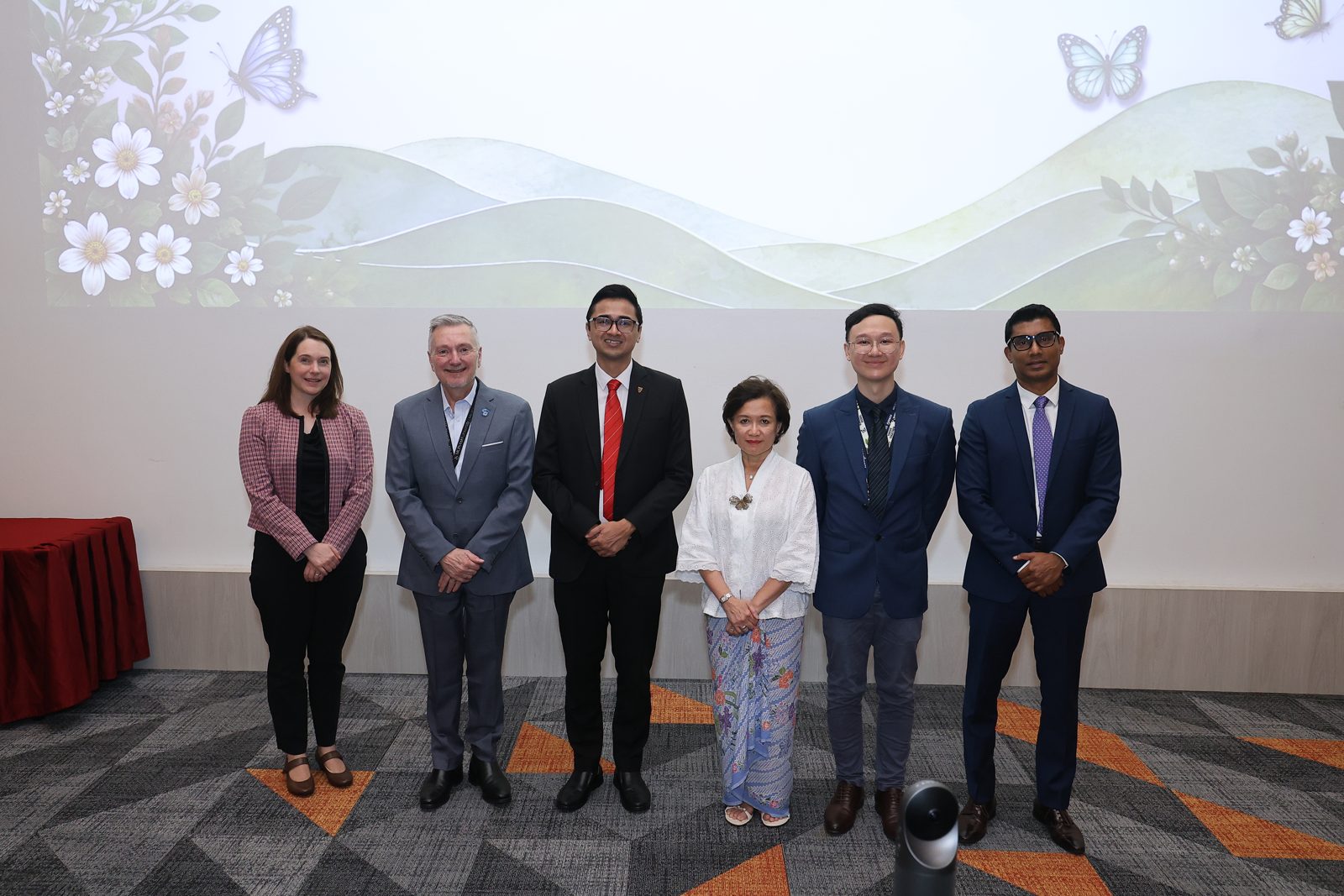
Held at Monash University Malaysia in Subang Jaya, the programme brought together more than 1,700 staff, students, mental health professionals, educators and community partners.
Three Universities Working Towards Better Student Wellbeing
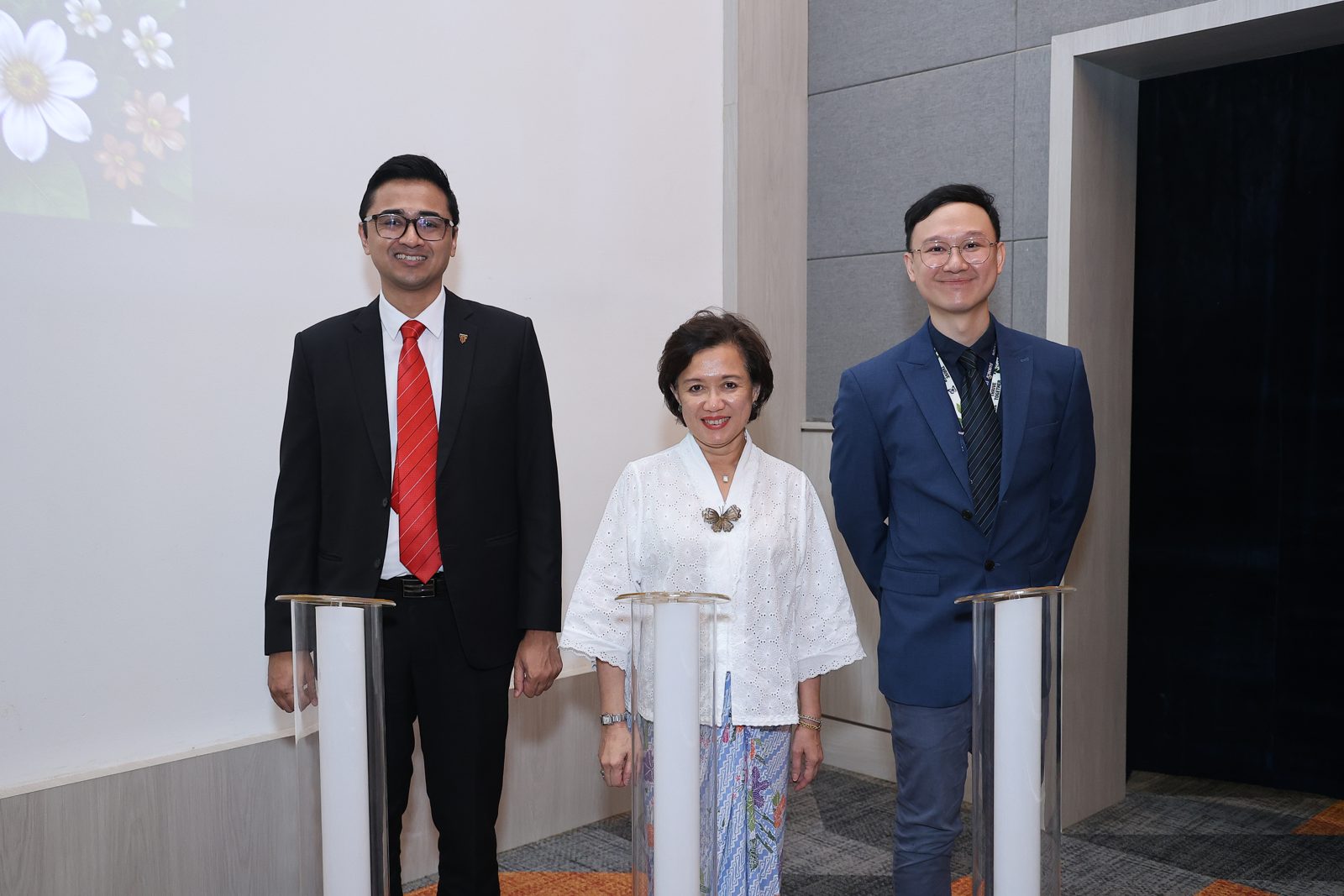
Thrive Together 2026 is among the first major initiatives introduced following the launch of the Triple Alliance in September 2026.
The partnership brings together three established Malaysian universities to share knowledge and strengthen student support across their campuses.
Rather than focusing only on mental health awareness, the initiative encourages practical action. This includes helping students recognise emotional difficulties, seek support early and build stronger connections within their university communities.
The programme also gives university staff an opportunity to learn how to respond more effectively to students facing mental health challenges.
Addressing Mental Health Challenges Among Young Malaysians
Mental health challenges among young people remain an important concern, particularly as students balance academic responsibilities, social expectations and personal development.
During the symposium, Professor Dato’ Dr Andrew Mohanraj Chandrasekaran, President of the Malaysian Mental Health Association, highlighted the importance of social connection and early intervention.
He shared findings from an internal survey in which 16% of respondents reported experiencing cyberbullying.
The figure highlights one challenge affecting young people’s wellbeing, although the survey’s sample size and wider methodology were not provided in the release.
Professor Andrew also encouraged young people to recognise when they need help rather than facing difficulties alone.
His message focused on building resilience through healthy boundaries, supportive relationships and the confidence to seek assistance before problems become more serious.
Practical Workshops Build Stronger Campus Support
A key part of Thrive Together 2026 involved equipping students and university staff with practical mental health skills.
For students, the programme featured activities covering emotional awareness, mindfulness, self-care and supporting friends experiencing distress.

Workshops also introduced art therapy and resilience-building approaches, alongside mental health screening and suicide prevention awareness activities delivered with community partners.
Helping Educators Respond to Student Needs
University staff participated in discussions on supporting neurodivergent students, creating trauma-sensitive environments and improving listening skills.
These sessions recognise that student wellbeing is not solely the responsibility of counselling departments.
Lecturers, administrative teams and student support staff can also play a role in creating environments where students feel comfortable asking for help.
A dedicated forum brought together counselling and student-support representatives from all three universities to explore ways of improving campus mental health services.
Moving Beyond Crisis Intervention
Professor Dato’ Dr Adeeba Kamarulzaman, President and Pro Vice-Chancellor of Monash University Malaysia, emphasised that mental wellbeing plays an important role in how students learn and connect with others.
She explained that universities must look beyond responding to mental health crises.
While immediate intervention remains necessary, long-term wellbeing also depends on accessible support, inclusive campus environments and efforts to reduce stigma.
The symposium featured contributions from mental health professionals, including Jovial Teo of Singapore’s Joyful Soul Psychology Centre, Dr Nicole Chen of HEAL Systemic Therapy Centre and Nadzreen Hakimi Bin Mohd Yazid of the Malaysian Mental Health Association.
Their participation brought different professional perspectives into conversations about improving student support.
Why University Mental Health Support Matters
Strong student wellbeing systems can contribute to a healthier learning environment and help young people manage the challenges of university life.
For Malaysia’s higher education sector, this also connects to the broader goal of developing capable, resilient graduates.
Students who feel supported may be better placed to remain engaged in their studies, build meaningful relationships and prepare for working life.
The Triple Alliance offers an example of how universities can work together on challenges that extend beyond individual campuses.
By sharing experience and involving external professionals, institutions can explore practical ways to strengthen student services and promote early intervention.
Building Healthier University Communities
Thrive Together 2026 marks an early step in the Triple Alliance’s collaboration on student wellbeing.
Its longer-term impact will depend on how participating universities apply the knowledge gained and continue developing accessible support.
For now, the initiative reflects a growing recognition that quality higher education involves more than academic achievement. Supporting students’ mental wellbeing is also part of helping them succeed.
FAQ
What is Thrive Together 2026?
Thrive Together 2026 is a two-day mental health initiative involving Monash University Malaysia, Sunway University and Taylor’s University. It focuses on awareness, practical support and inclusive campus communities.
How does Thrive Together 2026 support student mental health Malaysia-wide?
It provides workshops, expert discussions, awareness activities and opportunities for universities to improve their student support approaches.
Which universities are part of the Triple Alliance?
The Triple Alliance comprises Monash University Malaysia, Sunway University and Taylor’s University.