
Workplace burnout in Malaysia is becoming an important concern, even among employees who enjoy their jobs. New findings from Jobstreet by SEEK show that feeling happy at work does not always mean workers are free from stress or exhaustion.
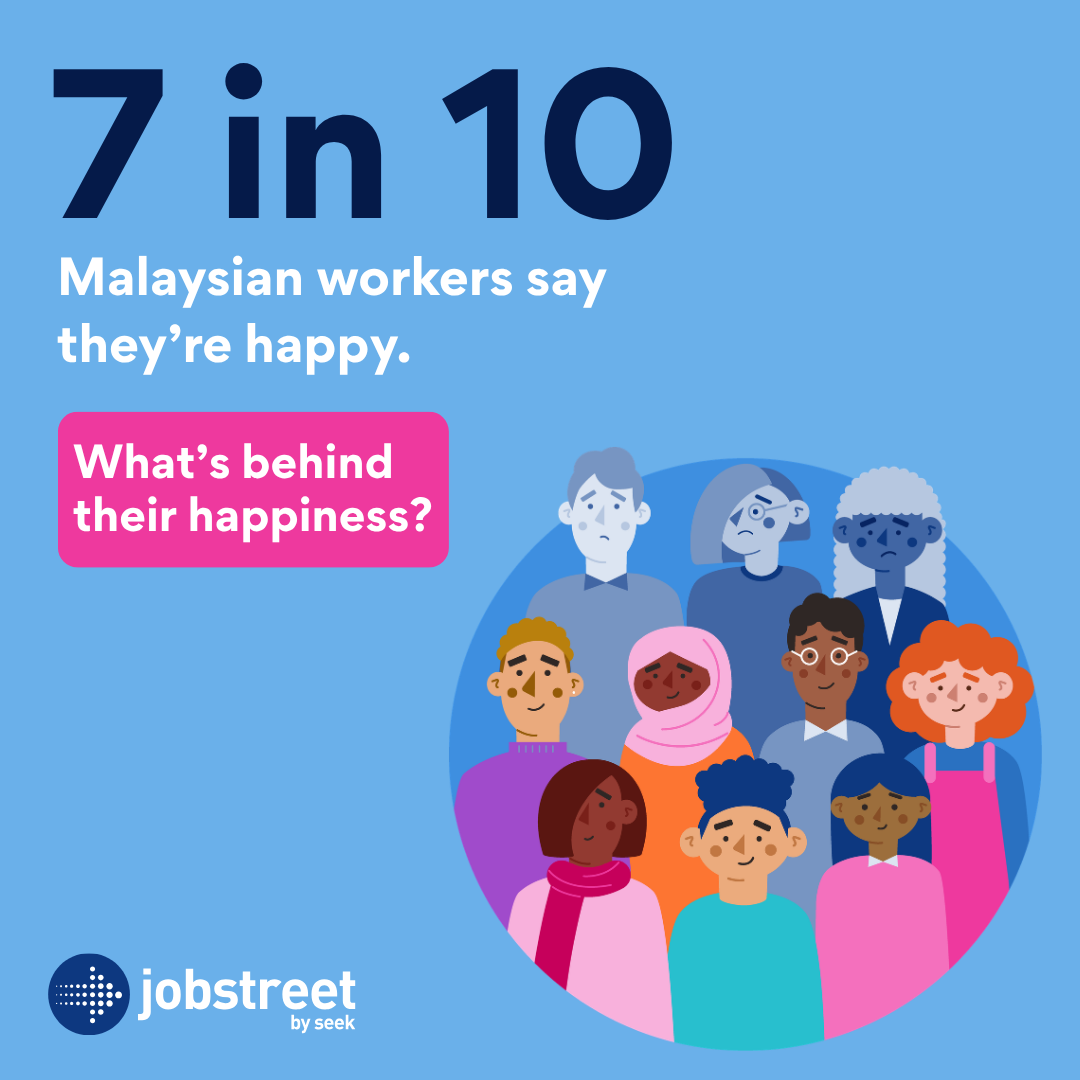
According to its Workplace Happiness Index 2026, 70% of Malaysian workers say they are happy at work. Yet 41% report feeling burnt out or exhausted, while only 36% are satisfied with their stress levels.
The findings, shared in conjunction with World Mental Health Day, highlight the need for healthier working conditions and better support for employees.
Nicholas Lam, Managing Director of Jobstreet by SEEK, shares five questions workers can consider before making their next career decision.
Table of Contents
Why Workplace Burnout Matters in Malaysia
Workplace burnout in Malaysia is not always caused by disliking a job. Long working hours, heavy workloads and difficulty switching off after office hours can affect employees who otherwise find their work meaningful.
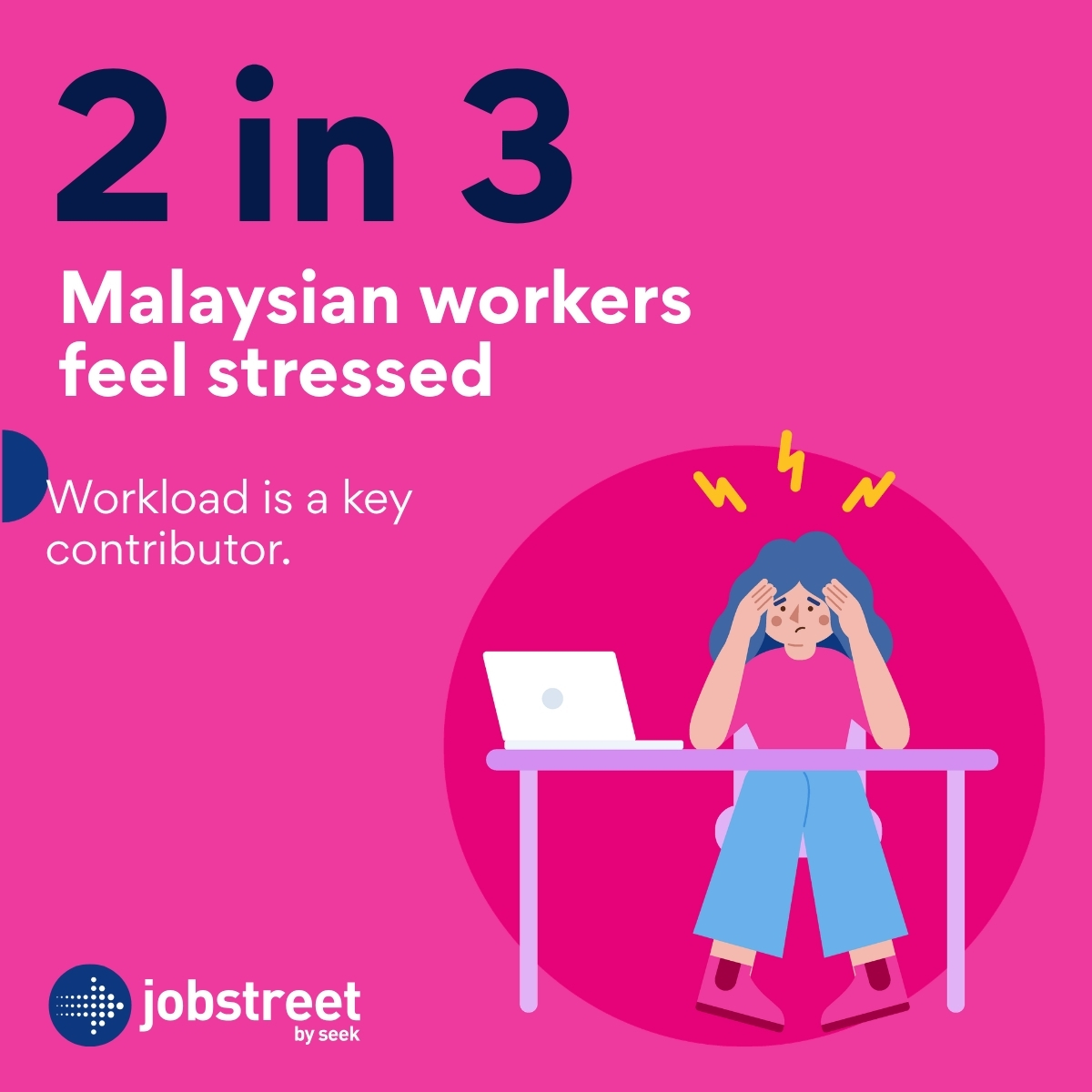
Jobstreet’s findings show that only 42% of Malaysian workers are satisfied with their workload. Meanwhile, 41% believe better work-life balance would improve their workplace happiness.
For employers, these findings raise questions about how work is organised and whether employees receive enough support to remain productive without sacrificing their wellbeing.
5 Questions to Ask Before Making a Career Decision
1. Am I Unhappy With My Job or Simply Exhausted?
Enjoying your job and feeling constantly tired can happen at the same time.
Before considering resignation, employees should identify whether their frustration comes from their responsibilities, working environment or lack of proper rest.
Does the exhaustion improve after taking time off? Or does the dissatisfaction continue even after a break?
Understanding the difference can help workers decide whether they need better boundaries, changes to their workload or a different role.
2. What Is Actually Causing My Stress?
Sometimes, the problem is not the job itself but how the work is managed. This is a common pattern behind workplace burnout in Malaysia.
Jobstreet found that 71% of unhappy workers experience burnout or exhaustion, compared with 35% of employees who are happy at work.
Workers can start by identifying their biggest sources of pressure. These may include unrealistic deadlines, unclear expectations or being expected to remain available after working hours.
Discussing these concerns with managers may help identify practical changes before stress becomes harder to manage.
3. Does My Job Offer More Than Just a Salary?
Salary remains an important factor in workplace happiness.
The survey found that 57% of Malaysian workers ranked higher pay among the top five changes that would improve their happiness.
However, Jobstreet also identified having a sense of purpose as the factor most strongly linked to workplace happiness.
Employees may benefit from considering whether their daily responsibilities match their strengths, interests and long-term career goals.
A job that offers meaningful work and room for development can contribute to stronger engagement over time.
4. Can I Be Myself and Grow at Work?
A supportive workplace should allow employees to contribute ideas, develop skills and feel comfortable asking for help.
This is particularly relevant for younger workers.
According to the survey, 45% of Gen Z employees report burnout, compared with 41% of Millennials and 36% of Gen X workers.
Only 69% of Gen Z respondents say they can be themselves at work, compared with 75% of Millennials and Gen X.
These findings suggest that tackling workplace burnout in Malaysia will require attention to workplace culture, mentorship and career development opportunities as younger Malaysians enter the workforce.
5. What Can Change Before I Decide to Leave?
Resigning may feel like the quickest solution when work becomes overwhelming. However, some workplace challenges may be addressed through open communication.
Jobstreet found that 87% of Malaysian workers believe workplace happiness is a shared responsibility between employers and employees.
Before leaving, workers could discuss several areas with their managers:
- Workload: Reviewing deadlines, priorities and responsibilities.
- Flexibility: Exploring arrangements that support work-life balance.
- Career growth: Identifying opportunities to learn and progress.
- Workplace support: Seeking practical help during demanding periods.
These conversations may not solve every problem, but they can help employees assess whether their working conditions can improve.
Healthier Workplaces Support Malaysia’s Workforce
Employee wellbeing also matters to businesses, and reducing workplace burnout in Malaysia can benefit employers as much as employees.
Jobstreet’s findings show that happy workers are three times more likely to feel motivated to go beyond their usual responsibilities. They are also 37% less likely to seek another job.
For Malaysian employers, improving workplace happiness can support employee retention, engagement and long-term workforce stability.
As businesses focus on attracting and developing talent, workplace culture and sustainable workloads deserve attention alongside salaries and career opportunities.
Building a More Supportive Work Culture
World Mental Health Day offers a timely reminder about workplace burnout in Malaysia and an opportunity for employees and employers to reflect on how working conditions affect everyday wellbeing.
Workplace burnout in Malaysia cannot be addressed through individual effort alone. Employers also have a role in creating environments where employees feel supported, valued and able to grow.
Recognising early signs of exhaustion and encouraging constructive workplace conversations can help build a healthier and more resilient Malaysian workforce.
Frequently Asked Questions
1. How common is workplace burnout in Malaysia?
Jobstreet by SEEK’s Workplace Happiness Index 2026 found that 41% of Malaysian workers reported feeling burnt out or exhausted.
2. Should employees resign when experiencing burnout?
Not necessarily. Workplace burnout in Malaysia can sometimes be eased without changing jobs. Employees can first assess their workload, working conditions and available support before deciding whether a job change is needed.
3. How can employers improve workplace happiness?
Employers can review workloads, encourage open communication, offer flexibility and provide opportunities for career development.