


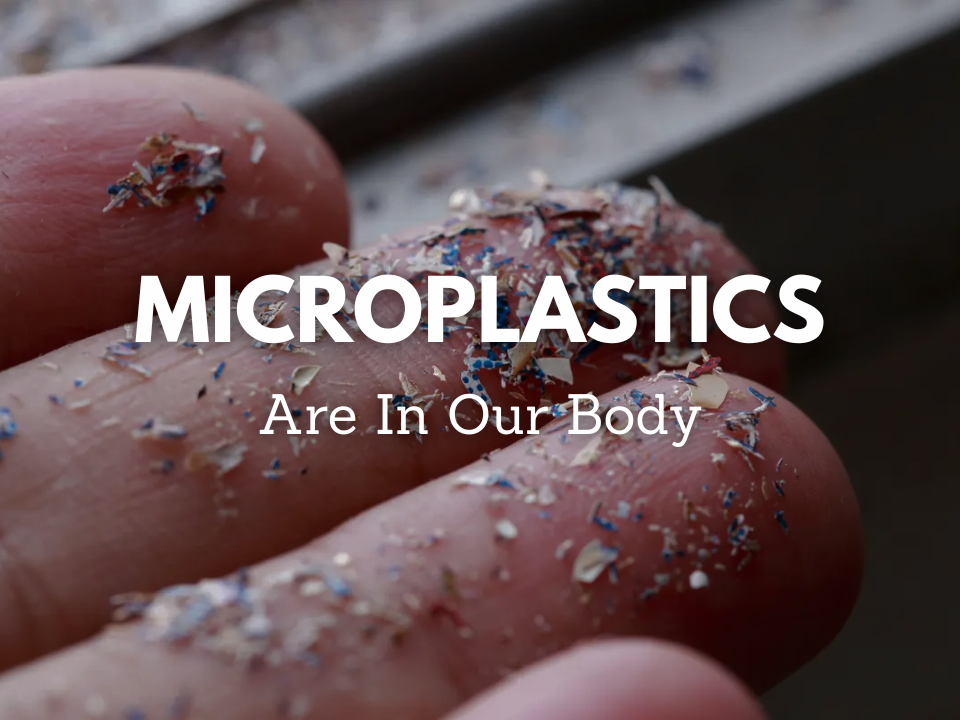
Microplastics are tiny plastic particles less than 5 millimeters in size. They come from larger plastic waste breaking down or from products like cosmetics and clothing. Over the years, scientists have discovered microplastics in various parts of the environment. Now, these tiny particles are entering our bodies through the food we eat and the air we breathe. It is getting out of hand– our microplastic consumption daily.
What About The Eating Credit Card?

Image via Salon
A recent study published has brought to light a concerning issue: Malaysia ranks highest among 109 countries in microplastics consumption. These microscopic plastic particles, less than 5mm in size, are being ingested by Malaysians in significant amounts every day.
With an average intake of 502.3mg of microplastics per person daily, this is equivalent to consuming a credit card’s worth of plastic every ten days. This finding highlights a pressing environmental and public health challenge that demands immediate attention and action.
Microplastics In Food And Water

Image via Treehugger
Several studies have shown that microplastics are present in our food and water. A study from 2018 found microplastics in bottled water. Researchers collected 32 samples of bottled water. They found that every sample contains a significant amount of microplastics. As well as an additive substance that is believed to be leached out from the material of the bottle itself.
Seafood is another major source. Fish and shellfish ingest microplastics from polluted water. When humans eat these sea creatures, they also consume the microplastics. A 2019 study estimated that people who eat a lot of seafood could consume up to 11,000 microplastic particles per year.
The Possible Impacts To Our Health?
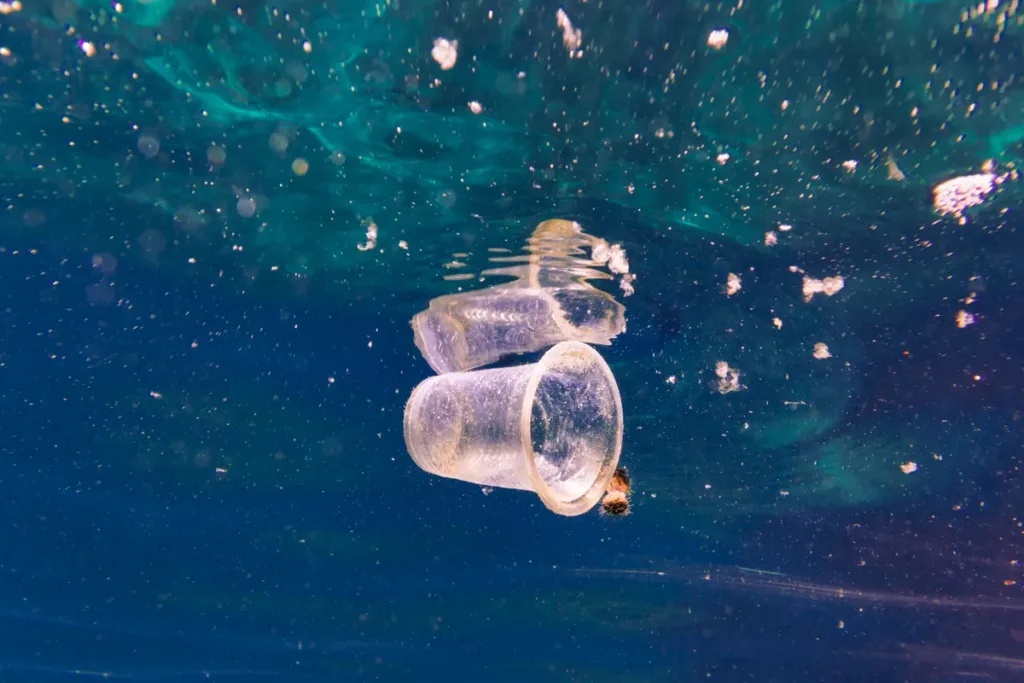
Image via Scientific American
The health impacts of microplastic consumption are still being studied. Some research suggests that microplastics can cause inflammation and damage cells. They may also carry harmful chemicals that can enter the body, such as:
- Tissue Damage: Microplastics can cause physical damage to tissues. Their small size allows them to penetrate cells and tissues, potentially causing inflammation and cell damage.
- Digestive System Irritation: Ingested microplastics can cause irritation in the digestive tract. This may lead to inflammation and potentially disrupt normal digestive processes.
- Toxic Chemicals: Microplastics often contain harmful chemicals such as phthalates, bisphenol A (BPA), and heavy metals. These chemicals can leach out and enter the body, leading to various health issues.
- Immune System Impact: Microplastics can trigger immune responses. The body may recognize these particles as foreign invaders, leading to chronic inflammation.
- Oxidative Stress: Exposure to microplastics may lead to oxidative stress, a condition where there is an imbalance between free radicals and antioxidants in the body. This can damage cells, proteins, and DNA.
- Carcinogenic Effects: Long-term exposure to the toxic chemicals in microplastics may increase the risk of cancer. However, more research is needed to establish a direct link.
However, more research is needed to fully understand the long-term effects of microplastics on human health.
Efforts To Reduce Microplastic Pollution
Zus Coffee and The Coffee Bean and Tea Leaf’s rice straw should be appreciated. Hear us out.
It’s for your own sake. If you think about it, Zus Coffee contributes in reducing Malaysian’s microplastics intake.
Governments and organisations are working to reduce microplastic pollution. Bans on single-use plastics, like straws and bags, aim to decrease the amount of plastic waste. Some companies are developing biodegradable alternatives to traditional plastics. Consumers can also help by reducing their use of plastic products and recycling whenever possible.
Microplastic consumption are an increasing concern for human health and the environment. They are present in our food, water, and air, and we consume them daily. While the full health impacts are not yet clear, efforts to reduce plastic pollution are essential. By taking steps to reduce our plastic use, we can help protect our health and the planet.