
Ever found yourself nodding along to a decision at work, even though deep down, you are thinking, “This is a terrible idea”? That situation is known as the Abilene Paradox, a phenomenon where a group collectively decides on a course of action that is counter to the preferences of any individual in the group. Sneaky, right?
The thing is the Abilene paradox will end up playing a role in causing the butterfly effect at your workplace!
What Is the Abilene Paradox?
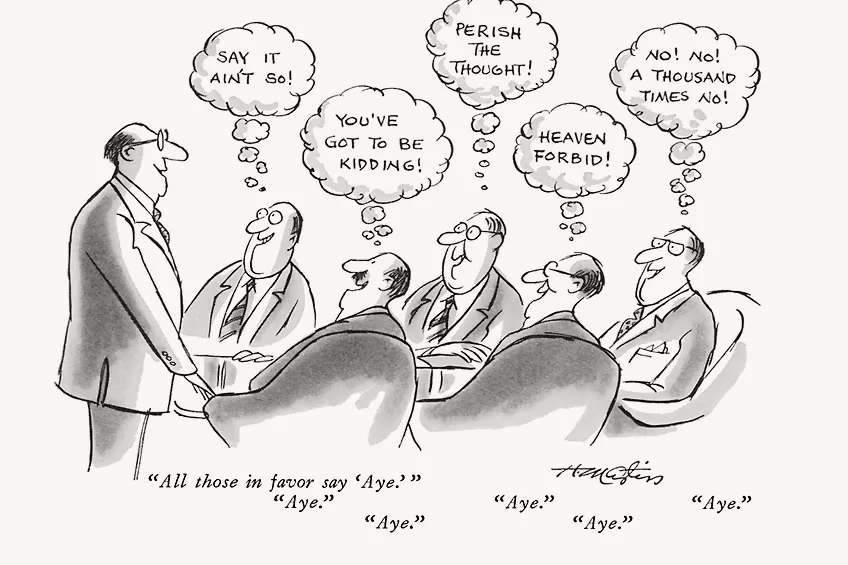
Image via The Propel Consulting Group
Imagine you and your colleagues are contemplating a decision. No one is truly on board with it, but everyone assumes that others are. Result? You collectively end up on a metaphorical trip to Abilene, a place none of you wanted to go. This paradox highlights the importance of open communication.
Why Does It Happen?
As much as this paradox is terrible, it is even worse to not know why it happens. So, let’s see what makes you and your colleagues end up there.
1. Fear Of Rocking The Boat
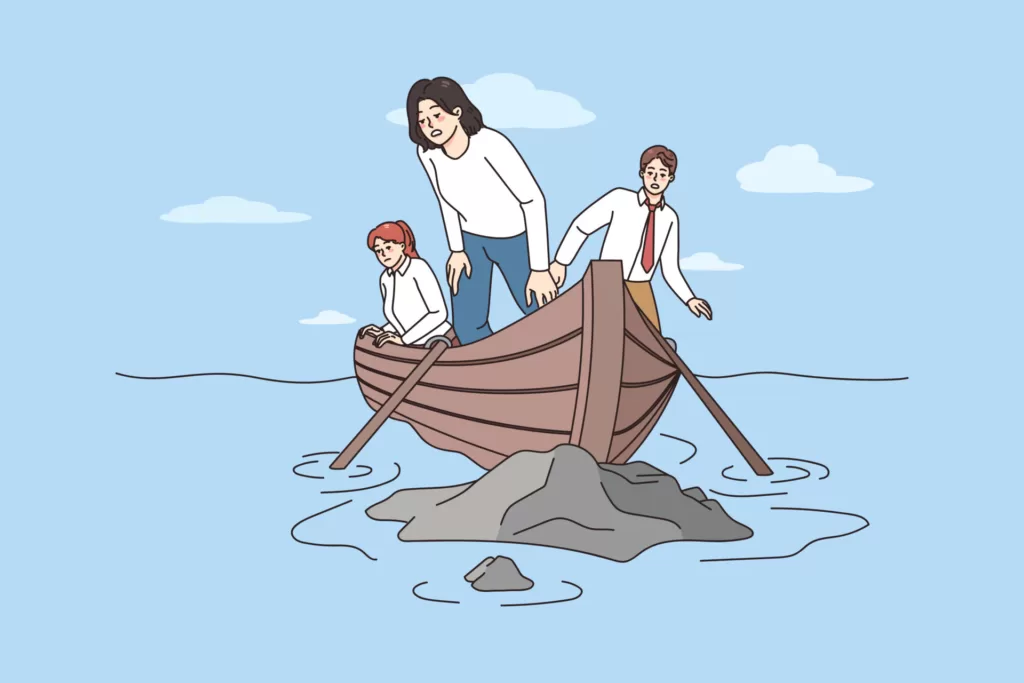
Image via Vecteezy
You or your colleagues might hesitate to voice your opinion. This happens when they fear conflict or the discomfort of going against the perceived group consensus.
2. Assumptions

Image via Dotdigital
Abilene paradox often happens when the speaker assumes that others must be in agreement because no one is speaking up. It’s like when a presenter asks opinions in a meeting, but everyone keeps quiet to not sound like the only buzz kill in the room. And what happens? Your presenter assumes you are on board.
3. Desire For Social Acceptance

Image via LinkedIn
We are all social beings, and the desire for acceptance can overpower our individual preferences. You might go along with a decision to maintain harmony and not be the only odd person in the office.
4. Lack Of Role Clarity

Image via LinkedIn
This happens when you don’t understand your role in a team and make unclear decisions. When the roles and responsibilities in decision-making are ambiguous, individuals may assume someone else is more informed or responsible, leading to silent agreement.
5. Decision Fatigue
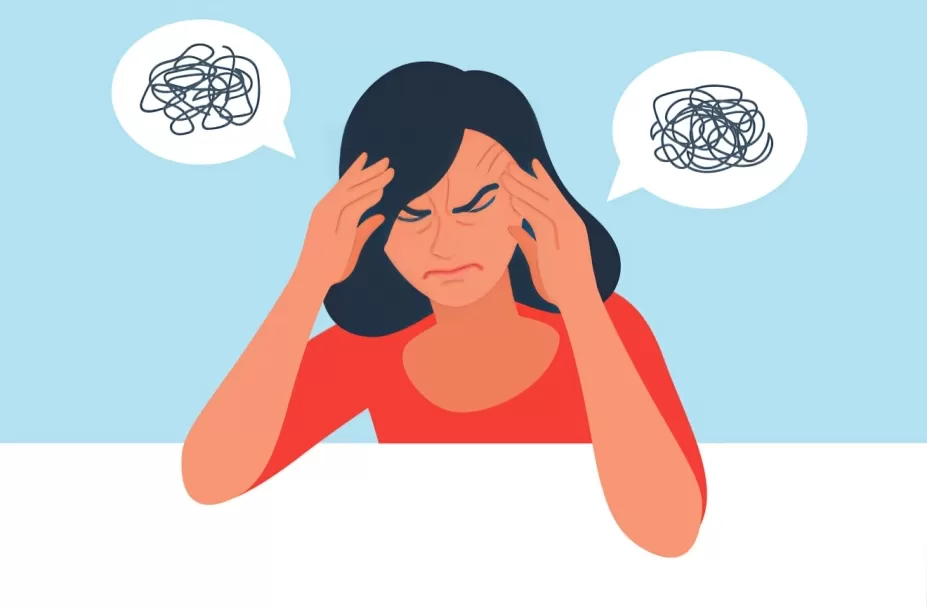
Image via Discover Magazine
Some organizational cultures may suffer from frequent decision-making. This might cause individuals to experience decision fatigue, opting for agreement to expedite the process rather than engaging in a thorough discussion.
The Abilene Paradox isn’t a mystical force but a reflection of human tendencies to avoid conflict and assume consensus. So, the next time you feel the group veering towards a decision that no one truly wants, be the workplace hero who breaks the spell. Remember, your voice matters, and genuine collaboration can lead to decisions that everyone is genuinely excited about!