
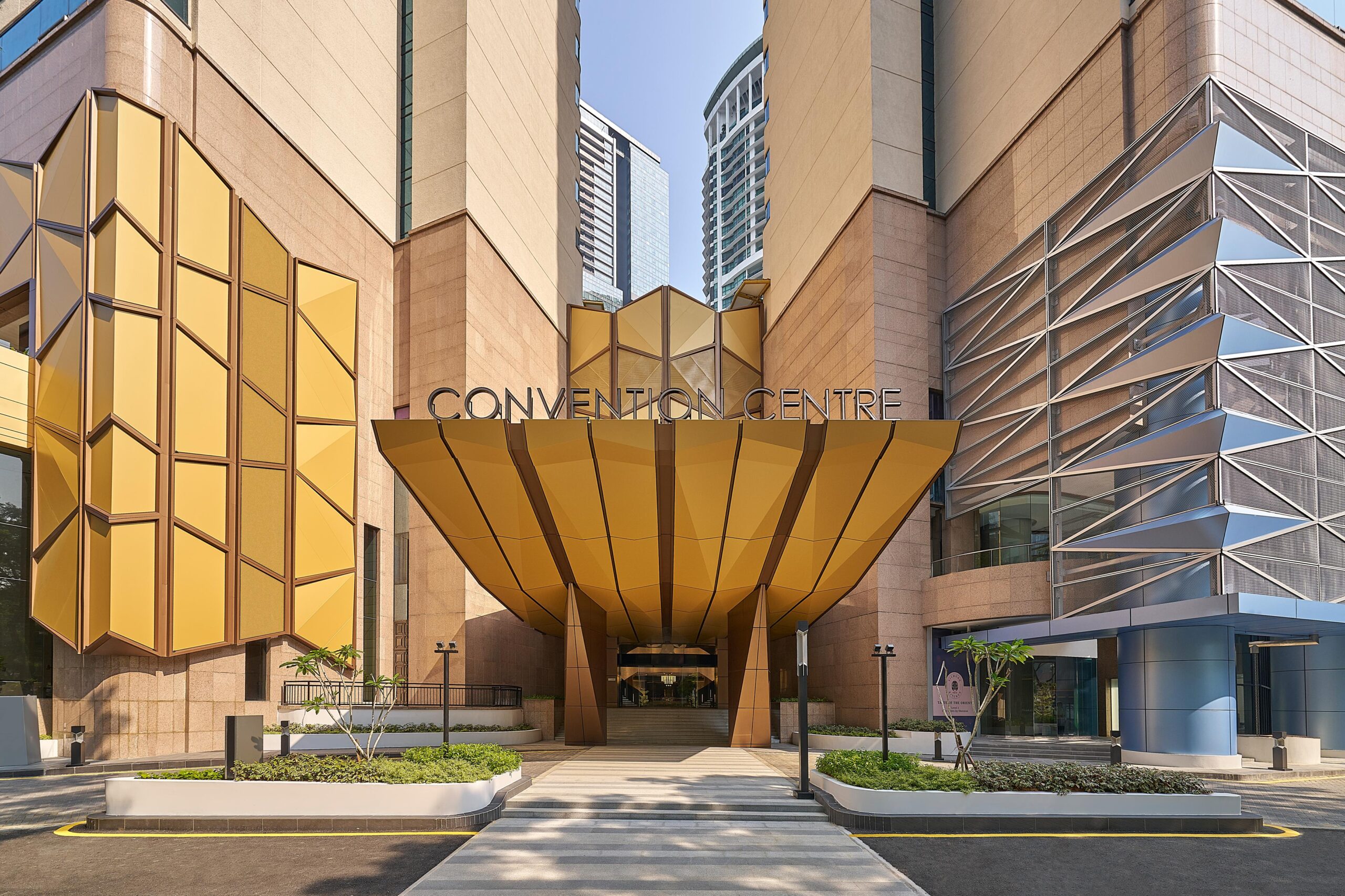
Malaysia is strengthening its position in the regional meetings and convention market as industry players look to attract more international events and spread their economic benefits across the country.
A new platform, Destination Convention Malaysia, will bring together convention facilities, hotels and local experiences under a broader national proposition, enhancing the New Convention Platform. The initiative is led by Marriott International with the Malaysia Convention & Exhibition Bureau (MyCEB), Business Events Sarawak (BESarawak) and Sabah Convention Bureau.
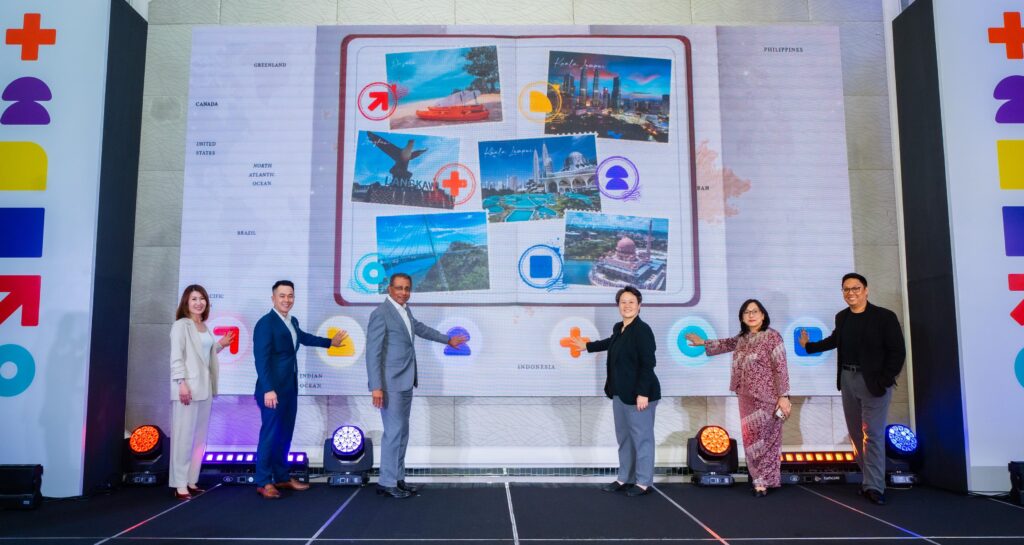
Photo: (from left to right) Joyce Wong, Country Director of Sales and Distribution, Malaysia, Jason Tan Chin Foo, Chief Executive Officer, Business Events Sarawak (BESarawak) and Chair, ICCA Asia Pacific Chapter (2026–2028), George Varughese, Market Vice President – Malaysia, Marriott International, Tan Mei Phing, Chief Executive Officer, Malaysia Convention & Exhibition Bureau (MyCEB), Noredah Othman, Chief Executive Officer, Sabah Convention Bureau and Zhamir Faris Zulkifli, Director, Field Marketing, Malaysia at the launch of Destination Convention Malaysia
For Malaysia business events, the timing is significant. MyCEB had secured 416 events scheduled between 2026 and 2030 as of June 30, with an estimated economic impact of RM3.98 billion.
Connecting More Malaysian Destinations
Destination Convention Malaysia was unveiled at The St. Regis Kuala Lumpur on September 8, bringing together representatives from the hospitality and business events sectors.
Rather than positioning Kuala Lumpur as the country’s only major draw, the platform aims to give organisers a clearer picture of what different Malaysian destinations can offer.
Kuala Lumpur brings international connectivity and established convention infrastructure. Sarawak and Sabah add nature, culture and destination-based experiences that can be incorporated into conferences and incentive programmes.
This wider approach could help Malaysia compete for events where organisers want more than meeting space and hotel rooms.
“Malaysia has all the ingredients to be a leading business events destination in Asia-Pacific: strong connectivity, world-class hospitality and an extraordinary variety of destinations and experiences,” said George Varughese, Market Vice President, Malaysia, Marriott International.
He said the initiative would make it easier for planners to understand the possibilities available across the country.
Business Events Carry Wider Economic Value
Large conventions and corporate events can support a much wider network of businesses than the venues hosting them.
Delegates need accommodation, transport, food and beverage services and other visitor services. Incentive programmes can also direct spending towards local attractions and destination experiences.
That makes the MICE sector — meetings, incentives, conferences and exhibitions — relevant to Malaysia’s wider tourism and hospitality economy.
The RM3.98 billion estimated impact of Malaysia’s secured events pipeline also points to the scale of the opportunity over the next several years.
There is another potential benefit. Encouraging organisers to build programmes outside the capital can distribute visitor activity across more destinations, creating opportunities for hospitality operators and tourism-related businesses in different parts of Malaysia.
Event Expectations Are Changing
The launch also included discussions between Marriott International, MyCEB, BESarawak and Sabah Convention Bureau on how Malaysia can capture the next phase of business events growth.
Event organisers are increasingly considering factors beyond convention capacity. Personalisation, wellness, sustainability, technology and local experiences are influencing how programmes are designed.
For Malaysia, this shift may work in its favour.
The country can combine major urban convention facilities with beaches, nature, food, culture and regional experiences. Organisers can therefore build different programmes around the needs of corporate groups, associations and incentive travellers.
Tan Mei Phing, Chief Executive Officer of MyCEB, said Malaysia’s current pipeline reflects confidence in the country’s business events capabilities.
She added that bringing destinations together could strengthen awareness of what Malaysia can offer regional and international organisers.
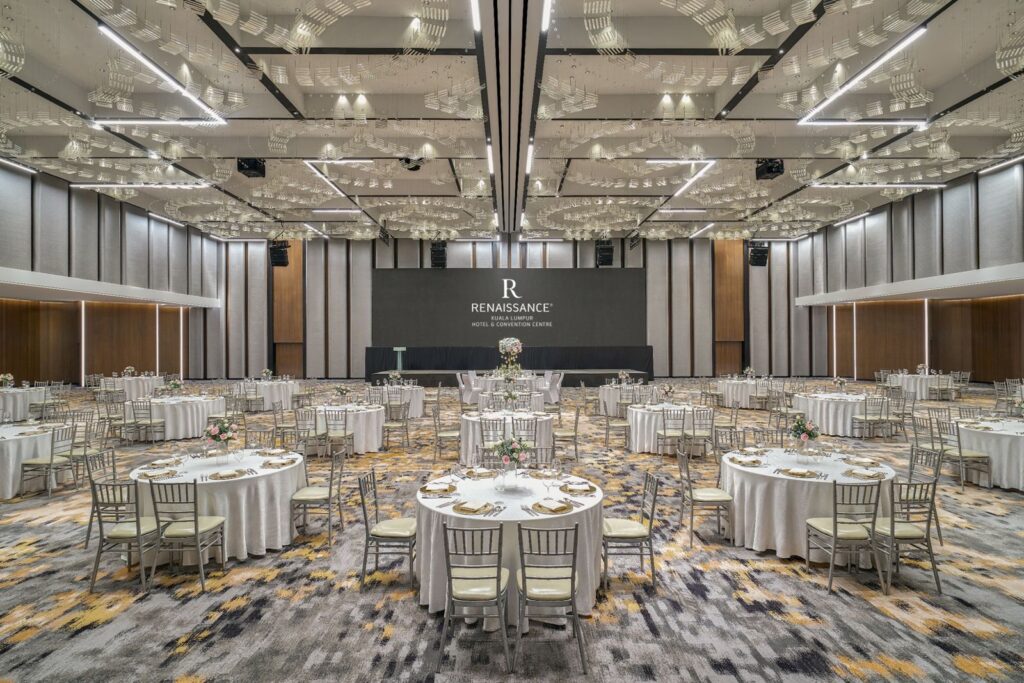
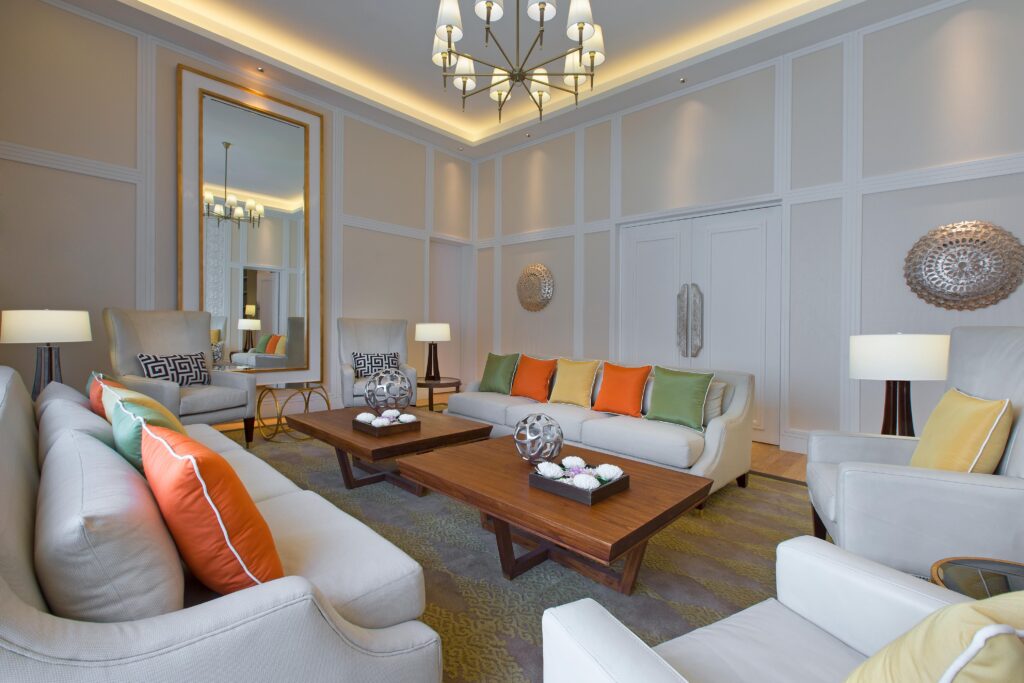
Image shown: Ballroom, Renaissance Kuala Lumpur.
Hospitality Infrastructure Supports the Push
Accommodation and venue capacity will remain an important part of that proposition.
Marriott International currently operates 65 hotels across Malaysia. Its portfolio includes properties connected to or serving convention facilities in destinations such as Putrajaya, Kuala Lumpur, Desaru Coast and Langkawi.
These include Marriott Putrajaya International Convention Centre, Renaissance Kuala Lumpur Hotel & Convention Centre, Courtyard by Marriott Kuala Lumpur South, Desaru Coast Conference Centre and Langkawi International Convention Centre.
Event planners can combine meeting facilities with accommodation, dining, wellness activities and local programmes.
The approach gives organisers more flexibility, particularly for events that mix formal meetings with networking, incentive travel or destination activities.
Building Malaysia’s Regional MICE Position
Competition for business events across Asia-Pacific is strong. Destinations are not simply competing on convention halls; accessibility, hospitality capacity and the overall delegate experience increasingly matter.
Destination Convention Malaysia is designed around that shift.
For the tourism sector, attracting an event can mean repeat demand for hotels, transport providers, restaurants and other local services. For destinations outside established business centres, it can also create another route to international visibility.
Malaysia already has a substantial events pipeline. The next challenge is turning that demand into broader value across its cities and regions.
A more connected national proposition could help achieve that by showing organisers that a Malaysian event does not have to be built around a single destination or experience.
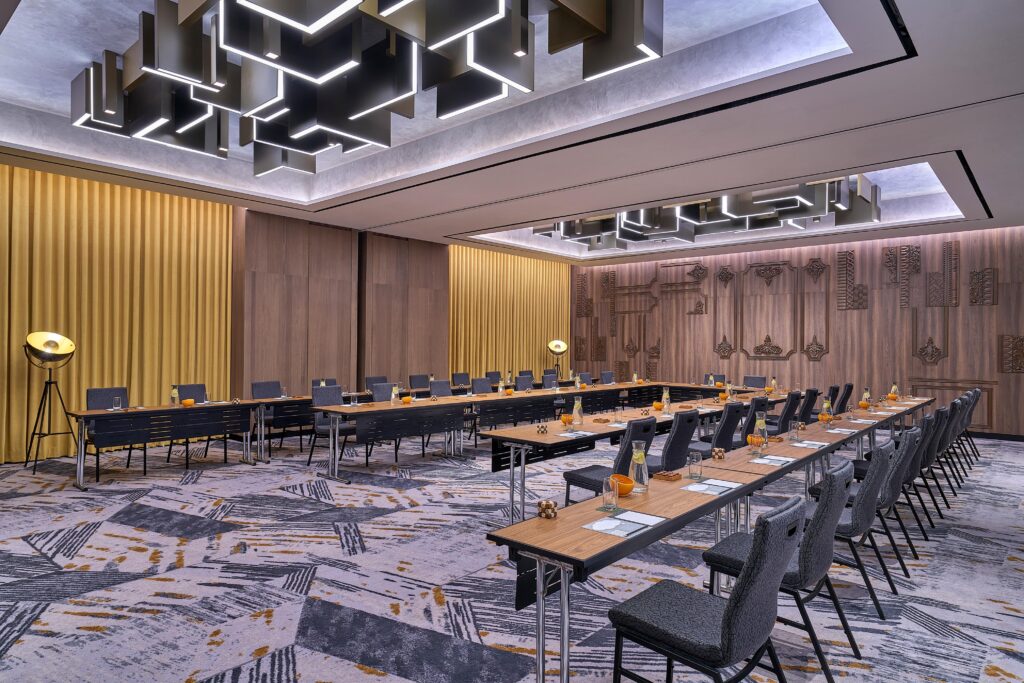
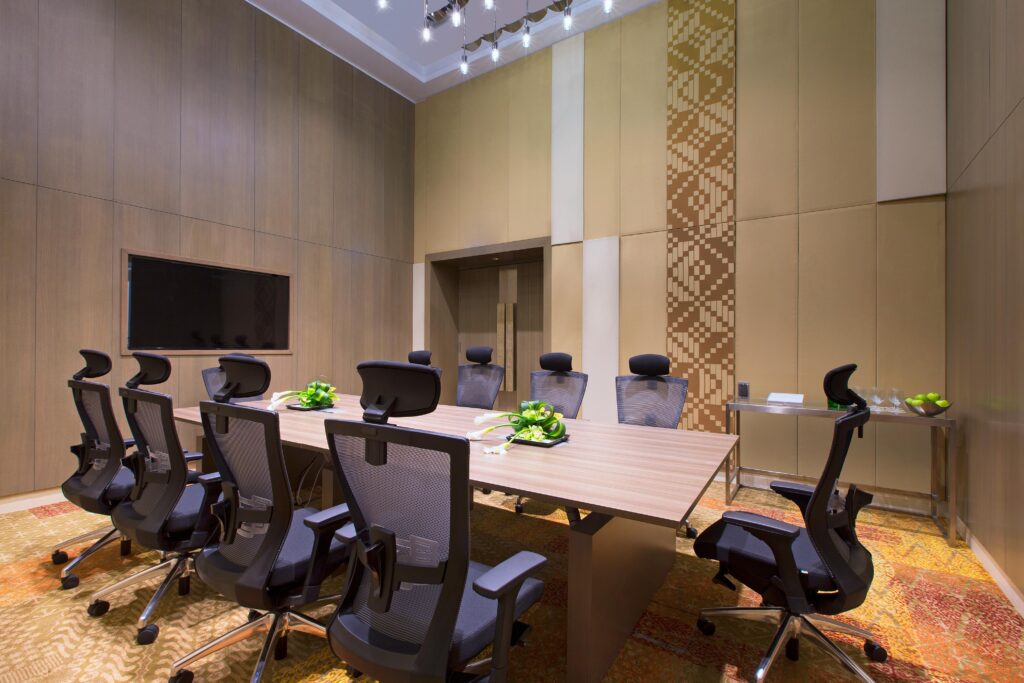
Image shown: Theatre Room, Renaissance Kuala Lumpur.
Impact: More Than Convention Attendance
The wider value of Malaysia business events lies in how delegate spending moves through the economy.
Hotels and convention venues are the most visible beneficiaries, but transport operators, food businesses, tourism providers and local communities can also gain when programmes extend beyond meeting rooms.
For Malaysia, growing this sector also supports a broader goal: attracting higher-value visitors while showcasing more parts of the country.
If organisers increasingly combine business programmes with local experiences, destinations across Malaysia could capture a greater share of the economic activity generated by international events.
Conclusion
Destination Convention Malaysia reflects a more coordinated approach to competing for regional and international business events.
With 416 secured events through 2030 and an estimated RM3.98 billion economic impact already in the pipeline, Malaysia has a strong base to build from.
Connecting convention infrastructure with hospitality and distinctive destination experiences could help the country turn that pipeline into wider benefits for tourism, businesses and local economies.
For more information on Marriott Bonvoy’s convention centres and business events facilities across Malaysia, please visit Marriott Bonvoy Malaysia – Convention Centres.