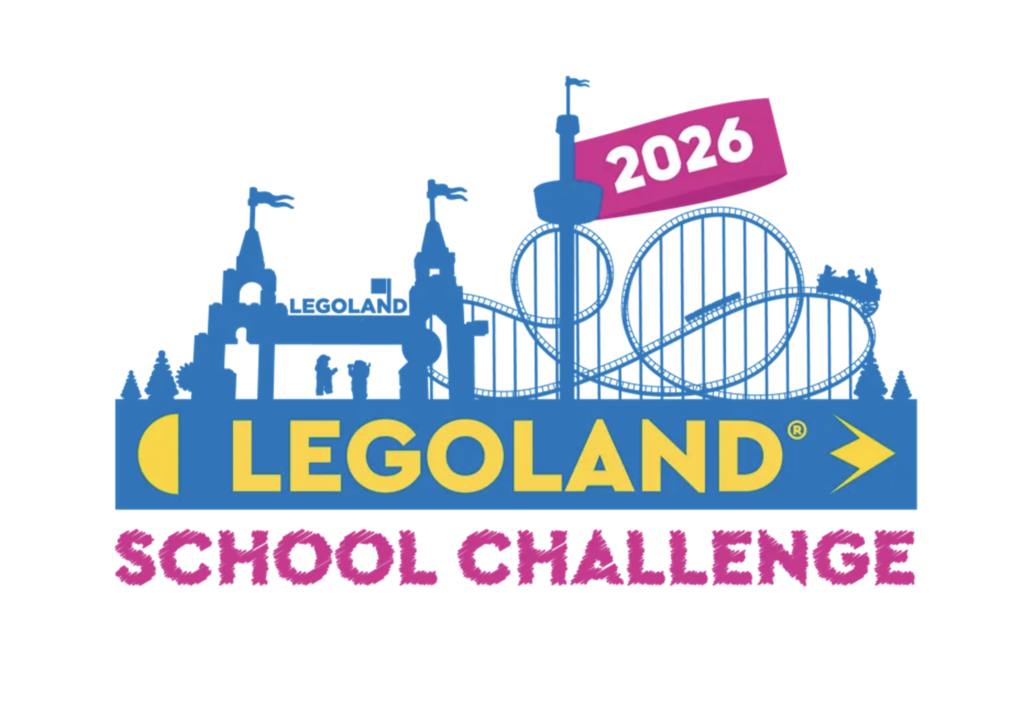
Fifteen student teams from Malaysia and the Philippines are preparing to turn imagination into action at the LEGOLAND School Challenge 2026 Grand Finale in Johor later this month.
The finalists were selected from almost 500 submissions involving 168 schools across Malaysia, Singapore, India, Hong Kong, the Philippines and China. Their journey reflects a wider value of hands-on learning: giving young people room to create, solve problems and work together.
Young Builders Take Ideas Beyond the Classroom
This year’s challenge asked students to design around the theme “The Ultimate Theme Park Ride.” The results range from prehistoric adventures and underwater attractions to space rides and creations inspired by Malaysian culture.
After a multi-stage judging process involving LEGO specialists, professional builders and industry experts, 15 teams advanced across the Junior, Primary and Secondary categories.
They will meet at LEGOLAND Malaysia Resort in Iskandar Puteri for the Grand Finale on 24 and 25 September 2026.
The event gives students a different kind of learning environment. Instead of working towards a conventional classroom assignment, participants have to turn an idea into a physical model while considering design, movement and storytelling.
Malaysia and the Philippines Lead the Finalist Field
Malaysian schools make up most of the finalists, with teams coming from Kuala Lumpur, Selangor, Negeri Sembilan, Johor, Kedah, Kelantan and Putrajaya. Three teams from the Philippines also reached the final stage.
In the Junior category, Malaysia is represented by Alpha Builders and Sparkling Starlets from SK Bukit Damansara, alongside CyberSparks and Puteri Mini Makers from SK Cyberjaya. Imagination Builders from Temple Hill International School represents the Philippines.
The Primary finalists are 67 Bricks from SK Port Dickson, Brick Titan from SK Medini, SKI LEGO Brigade from SK Ibrahim and The Mavericks from SK Kubang Kerian 3. Aqua Riders from Temple Hill International School completes the category.
At Secondary level, Malaysian finalists include Elite Engineers and King of LEGO from Sekolah Sultan Alam Shah, Four Blocks Ahead from SM Setia Budi and Putera Armycorp from Maktab Tentera Diraja. AJHS BluBLOC from Ateneo de Manila Junior High School represents the Philippines.
Engineering Meets Culture and Storytelling
Several entries show how creative learning can cross traditional subject boundaries.
The Mavericks’ project, The Shadow, draws inspiration from Wayang Kulit and places its adventure in a Malaysian kampung setting. Brick Titan’s NOVA BLAST, meanwhile, uses a working LEGO Technic mechanism for a space-themed drop tower.
Other teams explored marine environments, dinosaurs and nature. SKI LEGO Brigade developed an engineering-focused Ferris wheel using gears and LEGO Technic, while Elite Engineers created a dual-motion carousel built around nature-inspired storytelling.
These projects matter because creative activities can encourage students to combine technical thinking with communication and teamwork. A successful build is not only about how it looks. Students also need to explain an idea, test how parts work together and make adjustments when something fails.
That learning process can support the broader development of problem-solving and collaborative skills among young people.
Finalists Face a Live Building Challenge
The Grand Finale will introduce another test: speed.
Teams will take part in a Live Speed Build Challenge, where they must create a new LEGO model based on a surprise theme while racing against the clock.
The live challenge will contribute 30% of each team’s final score, while the original online submission will account for the remaining 70%. Champions will be selected separately for the Junior, Primary and Secondary categories on 25 September.
Thilakavathy Munusamy, Director of Sales & Marketing at LEGOLAND Malaysia Resort, said the finale would require participants to “think fast, build together” as they respond to an unfamiliar challenge.
That element adds another layer to the competition. Students must adapt quickly rather than simply presenting a project they have spent weeks preparing.
Why Creative Learning Matters for the Region
Competitions such as this sit within a bigger conversation about how schools can build skills that students may need later in life.
Engineering concepts, design thinking, teamwork and creativity increasingly overlap. Activities that allow children to experiment with these skills can complement classroom learning, especially when students have to move from an idea to a working creation.
The international participation also gives the challenge a regional dimension. Nearly 500 submissions from schools across six Asian markets show that interest in practical and creative learning extends well beyond one country.
For Malaysia, hosting the finale also creates an opportunity for students from different states and neighbouring countries to meet through a shared learning experience.

Building Skills One Brick at a Time
When the finalists arrive in Johor, the trophies will naturally matter. Yet the wider value of the LEGOLAND School Challenge 2026 goes beyond who finishes first.
Students have already taken an idea, developed it as a team and presented it through a physical build. The final round will now test how well they can apply those same skills under pressure.
For young participants, that combination of imagination and practical problem-solving can be valuable well beyond the competition itself.
For more information, visit the LEGOLAND Malaysia Resort booking page or visit our Facebook and Instagram for details and tickets.