
Southeast Asia is getting a bigger part in Epson Engineered Future 2035, the Japanese technology group’s new 10-year corporate vision. Industrial printing, robotics and microdevices are expected to carry more of its growth in the region, Epson Malaysia said in Subang Jaya on 19 November.
That matters for Malaysian factories, schools, hospitals and offices that already buy Epson printers and projectors. The company best known here for printers is signalling that its next push will lean towards automation and engineering tools aimed at labour shortages and energy constraints.
The announcement comes a few weeks after Epson brought its AX6 collaborative robot to Malaysia and launched the SureColor F330 printer for SMEs. This time the news is not a product but the plan behind them.
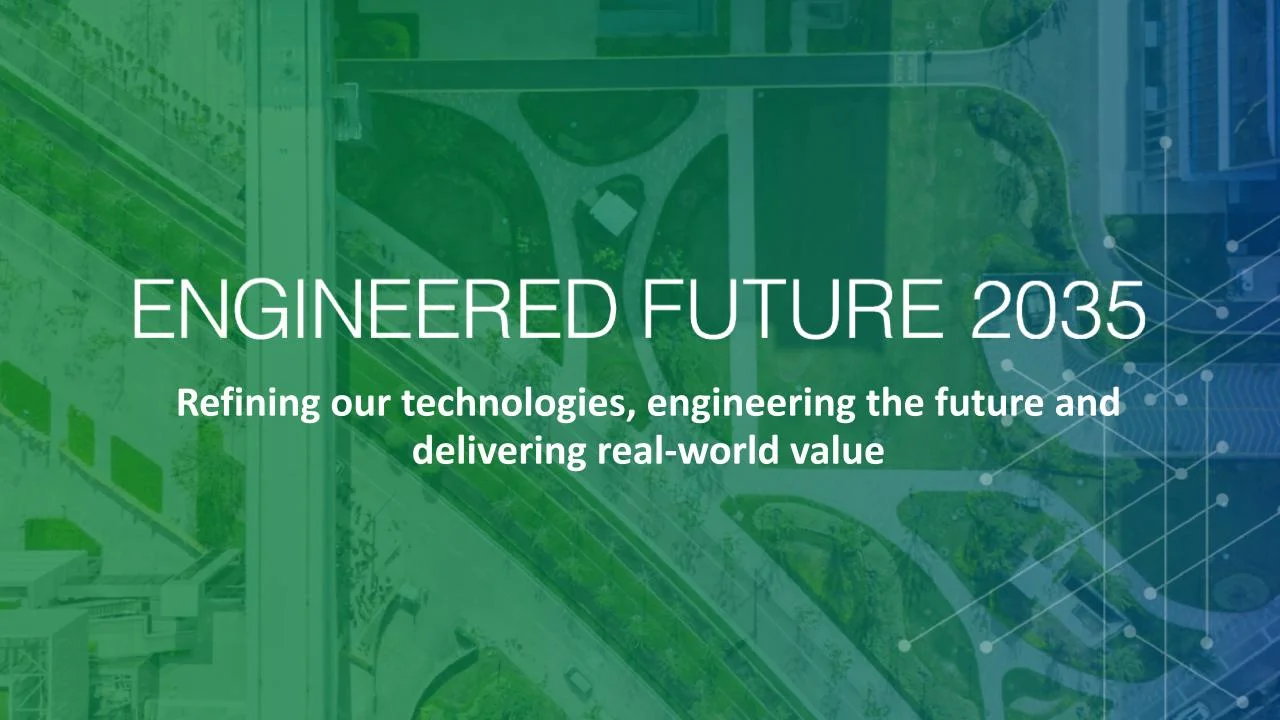
What is Epson Engineered Future 2035?
Japan’s Seiko Epson Corporation unveiled Engineered Future 2035 in Tokyo in March 2026. It sets the group’s direction up to 2035 and builds on Epson’s long-held “efficient, compact and precise” approach to product design.
The idea is to point Epson’s engineering at practical problems: tight supplies of resources and energy, a shortage of workers, and the need for higher productivity in how people learn, work and live.
When the plan was first announced, Seiko Epson said it would put about ¥280 billion into growth over three years. It named precision innovation and industrial and robotics as its growth domains, and said it would strengthen sales in emerging markets.
Key figures
- 8% or more: return on invested capital (ROIC) target by fiscal 2028
- About ¥280 billion: planned investment in growth over three years
- 2026–2028: Phase 1, the first mid-term business plan under the vision
- More than ¥1.4 trillion: Epson Group’s annual sales
- 1991: the year Epson set up in Malaysia
Profit on capital, not just sales
Under Epson Engineered Future 2035, ROIC becomes the group’s main management yardstick worldwide. In plain terms, the company will judge each business by how much profit it earns on the capital tied up in it, rather than by revenue alone.
Phase 1 runs from 2026 to 2028. It focuses on changing where Epson’s earnings come from, using capital more efficiently and moving resources into growth areas. Seiko Epson’s March announcement spelled out what that involves: reviewing fixed costs and asset efficiency, redesigning global operations and the supply chain, and growing its recurring and solutions business.
In Southeast Asia, Epson said this means tighter operations alongside targeted bets on the segments and markets with the strongest long-term prospects. Office and home printers, along with projectors and other visual and lifestyle products, remain the base of the business. Industrial printing, robotics and microdevices are the areas expected to grow in importance.
Why Southeast Asia
Epson pointed to the region’s growing economies and expanding cities. It also cited rising demand in education, healthcare, manufacturing and public services as a good match for its compact, precise technology.
The company already runs manufacturing facilities, offices and solution centres across Southeast Asia. That footprint, it said, keeps it close to customers and partners as it develops applications in printing, projection and automation.
From printers to engineering
Alvin Tan, Managing Director of Epson Malaysia, described the vision as “a clearer framework for how Epson should grow in Southeast Asia.”
He said it also maps out how Epson moves “from a brand best known for printers to a technology innovation and engineering company.”
According to Tan, the practical aim is to help customers in the region cut energy use, ease pressure from labour shortages, lift productivity and better support learning, work and daily life.
In Malaysia, Epson sells and services its products through a nationwide network of authorised partners, service centres and solution centres.
Epson has operated in Malaysia since 1991 and serves home, business and industrial customers. Learn more about Epson Malaysia.