

Before we get to the informative part (vaccine myths), picture this:
Your body is a castle. It’s strong and sturdy, but sometimes, tiny invaders called germs try to attack it. These germs can make you sick. A vaccine is like training your body’s soldiers to fight off these invaders before they even arrive.
Understanding Vaccines
Scientists create a weakened or dead version of the germ. When you get the vaccine, your body recognises the germ as a threat and starts making its own soldiers called antibodies. These antibodies act like a shield, protecting you when the real germ comes along.
Vaccines: A Magic Potion?

Image via Immunise4Life
It may not be a magic potion, but let’s understand what vaccines can and can’t do:
1. Doesn’t Give You The Disease
The germs in vaccines are either very weak or completely inactive. Think of them as shadows or ghosts of the real germs. They’re like training dummies for your body’s immune system. These weakened or dead germs can’t multiply or cause an infection. Their only job is to teach your body how to fight off the real thing.
2. Doesn’t Offer 100% Protection
While vaccines are very effective, they don’t guarantee complete protection. Some people might still get sick, but the illness is usually milder. This is because our bodies are all different, and some people’s immune systems might be stronger than others.
3. Aren’t A Quick Fix
It takes time for your body to build up its defenses after getting a vaccine. This is why it’s important to follow the recommended vaccine schedule. Think of it like building muscle; it takes time and consistency.
Vaccine Myths Debunked
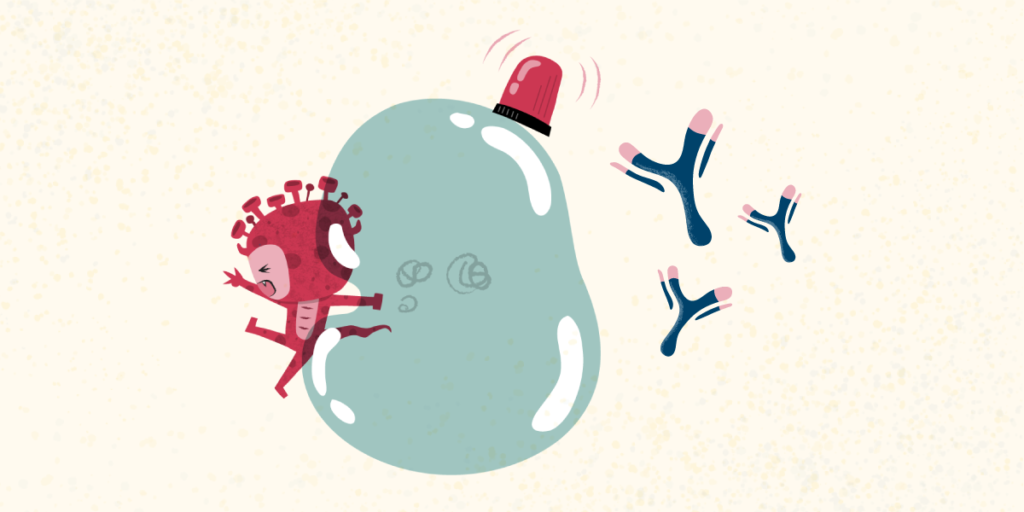
Images via Dawn
There are many myths about vaccines. Let’s clear the air.
1. Causes Autism
The claim that vaccines cause autism is false. This harmful myth was debunked years ago. Numerous studies have proven no link between the two. Vaccines are safe and essential for public health.
2. Natural Immunity Is Better
Recovering from a disease can indeed build immunity, but it’s a risky gamble. Getting sick can expose you to severe complications, long-term health problems, or even death. Vaccines offer a safer and more predictable way to develop immunity. By introducing a weakened or inactive form of a germ, vaccines train your body to recognize and fight off the real thing without the dangers of getting sick.
3. Contains Harmful Ingredients
Vaccines undergo rigorous testing and approval processes before they reach the public. Every component used in a vaccine is meticulously studied to ensure it’s safe and effective. This includes the active ingredient (the part that stimulates immunity), as well as any preservatives, stabilisers, or adjuvants used in the vaccines.
The Importance Of Vaccination
Vaccines have saved countless lives. They’ve helped control diseases that once caused widespread suffering and death. By getting vaccinated, you’re not only protecting yourself but also helping to protect those around you, especially people with weakened immune systems.
Remember: Vaccines are one of the greatest achievements in modern medicine. They’re safe, effective, and essential for public health. Talk to your doctor about the vaccines you need to stay healthy.
Common Vaccines And Their Protectors
There are many different vaccines, each designed to protect against specific diseases. Here are some common ones:
- Measles, Mumps, and Rubella (MMR) vaccine: Protects against three contagious diseases.
- Polio vaccine: Protects against polio, a disease that can cause paralysis.
- Diphtheria, Tetanus, and Pertussis (DTaP) vaccine: Protects against three serious diseases.
- Influenza (flu) vaccine: Protects against the flu, which can cause severe illness.
- Human Papillomavirus (HPV) vaccine: Protects against HPV, a virus that can cause cancer.
It’s important to follow the recommended vaccine schedule for you or your child. This schedule ensures you get the right vaccines at the right time.
Like any medicine, vaccines can sometimes cause side effects. Most side effects are mild, such as soreness at the injection site or a low-grade fever. Serious side effects are very rare.
If you’re concerned about vaccine side effects, talk to your doctor. They can provide you with accurate information and address your concerns.
At the end of the day, the choice is in your hands. However, make a decision that’s not only safe for yourself, but also the people around you. Educate yourself on the importance of vaccines and understand the common vaccine myths to ease your worries. Let’s work together to build a healthier world through vaccination!