


The University of Cyberjaya (UOC) has placed 47th in Asia for international student ratio in the QS World University Rankings: Asia 2027, with roughly one in three of its students coming from outside Malaysia. The result matters beyond the campus: the Government wants 250,000 international students in Malaysian institutions by 2030, and universities that already draw a large overseas intake are central to reaching that number.
The private university, which started in 2005 as a medical and pharmacy school, announced the results on 23 November 2026 together with a second piece of news. Four researchers linked to UOC have been named in the 2026 World’s Top 2% Scientists List, compiled by a Stanford University-led team using Elsevier’s Scopus citation data.
Where UOC placed in QS Asia 2027
QS breaks its Asia table into several indicators, and UOC’s strongest showing came in the ones that measure how international a university is. Besides its international student ratio, it also did well on student exchange, in both directions.
- International Student Ratio: 47th in Asia
- Outbound Exchange Students: 89th
- Inbound Exchange Students: 109th
- International Faculty Ratio: 130th
- International students: 1,130 out of 3,405 (about 33.2%), based on QS’s underlying data
- International faculty: 68 out of 374 academic staff
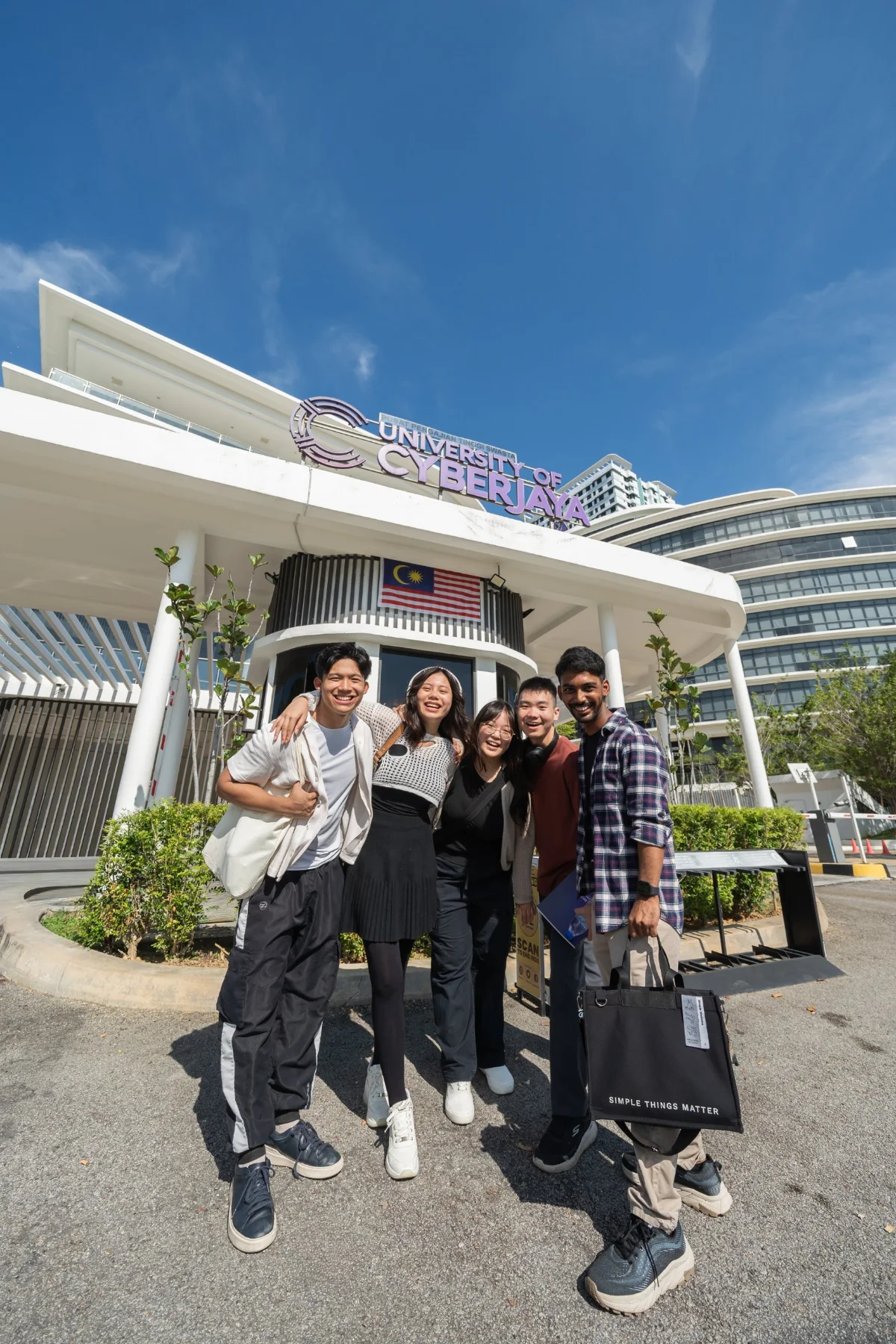
One in three students from abroad
For local students, a mixed intake means sitting in lectures, labs and group projects with classmates from many countries. The university says this, along with exchange opportunities and cross-border academic work, is part of how it prepares graduates for jobs that increasingly involve working across borders.
Vice Chancellor Professor Dr. David Whitford said the mix is one of the things he values most about the university. “They get to see how others think and approach problems, and learn from each other’s perspective,” he said.
The academic staff is international too, though less so than the student body: 68 of its 374 faculty members come from overseas, or a little under one in five.
How it fits Malaysia’s 2030 target
Malaysia is trying to position itself as a preferred destination for students from around the world, and the 250,000 target puts pressure on both public and private institutions to offer a good academic and campus experience. UOC is one of several Malaysian names in this year’s Asia table. RiseMalaysia’s earlier look at how Malaysian universities performed in QS Asia 2027 covers the wider picture.

Four researchers in the world’s top 2%
The Stanford–Elsevier list ranks scientists by citation impact across fields. The four UOC-linked names are Professor Dr. Lakshmi Thangavelu, Professor Dr. Gan Siew Hua, Professor Rebecca Wong Shin Yee and Professor Dr. Mochammad Fahlevi.
Between them, their work covers public health, pharmacogenomics, regenerative medicine and sustainable entrepreneurship. In practical terms, that includes research on the global burden of sepsis, safer and more personalised use of medicines, what regenerative medicine could make possible, and how to get more women into entrepreneurship and sustainable development.
“Research excellence is ultimately about impacting society,” Whitford said, adding that the university wants research, teaching and industry work to support one another.
About the University of Cyberjaya
Based in Cyberjaya, Selangor, the university now offers more than 50 programmes across medicine, health sciences, nursing, pharmacy, psychology, business and biomedical engineering; more at cyberjaya.edu.my. Earlier this month, RiseMalaysia also reported on new chest percussion machines for UOC’s healthcare training.