

Osteoporosis is often described as a silent condition. Many people feel perfectly well, with no idea their bones may be weakening, until a fracture happens. Now, early findings from a nationwide bone health screening programme by BREGO Life Sciences put a number to that concern.
BREGO Cares 2026: Stronger Bones, Better Health brought AI-assisted bone health screening to 18 primary care clinics, alongside Vitamin D screening at a further 24 clinics, reaching around 2,000 people across 11 states through community screening activities. At three participating clinics, 70 of 149 individuals screened, or approximately 47%, were flagged for possible osteopenia or osteoporosis risk.
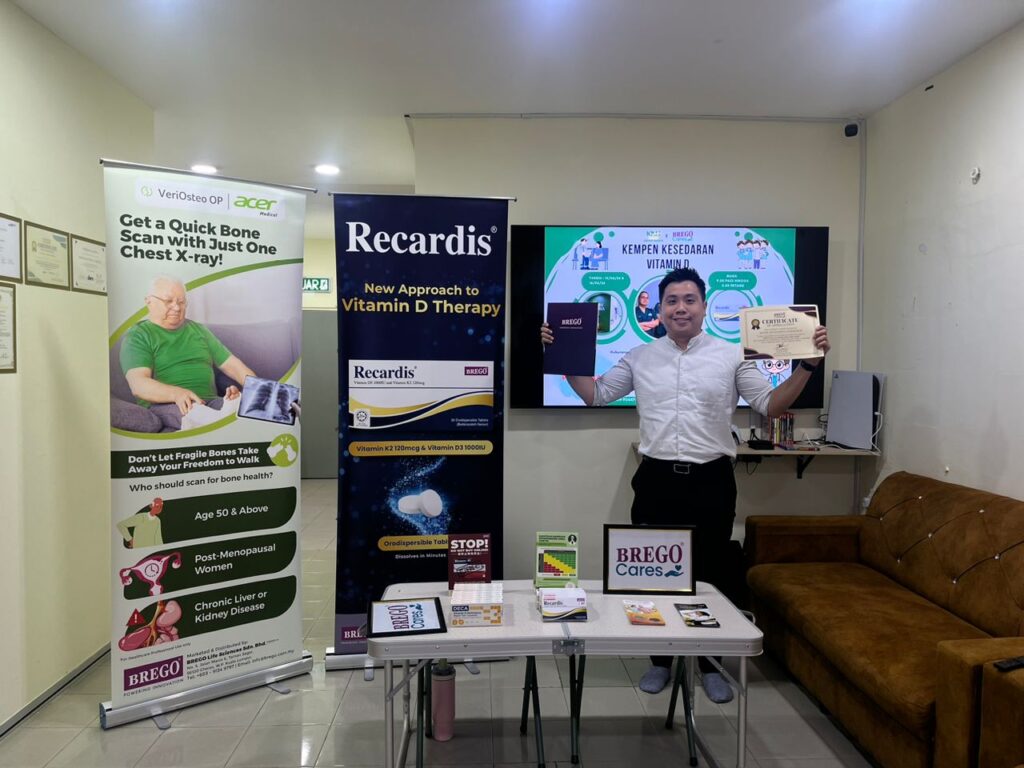
Table of Contents
Nearly Half Flagged for Possible Bone Health Risk
Approximately 1,000 people were screened using VeriOsteo OP, an AI-assisted bone health screening solution. Data from three participating clinics, namely Klinik Adam Hawa Paroi, O2 Klinik Sri Petaling and Klinik Prima Medik Temerloh, showed that 70 of the 149 individuals screened there were flagged for possible osteopenia or osteoporosis risk. The programme also reached an estimated 900 to 1,200 people through Vitamin D testing.
“Osteoporosis can progress silently, meaning people may feel well without realising their bones could be at risk. Through BREGO Cares, we wanted to bring bone health assessment closer to communities and encourage earlier action,” said Dr Danny Wong, Managing Director of BREGO Life Sciences.
“What we saw reinforces that need, with a meaningful number of people screened at participating clinics flagged for possible bone health risks,” he added. “Screening is not a diagnosis, but it can help identify individuals who may benefit from further assessment before a fracture becomes the first warning sign.”
How the AI-Assisted Bone Health Screening Works
Launched in May 2026 in conjunction with Osteoporosis Awareness Month, BREGO Cares 2026 was designed to make bone health screening and education more accessible to communities through partnerships with primary care clinics.
To do this, the programme adopted two approaches based on the facilities available at each clinic. Clinics with X-ray facilities used VeriOsteo OP, an AI-assisted software that analyses existing chest X-rays to help flag potential bone health risks and identify individuals who may benefit from further clinical assessment.
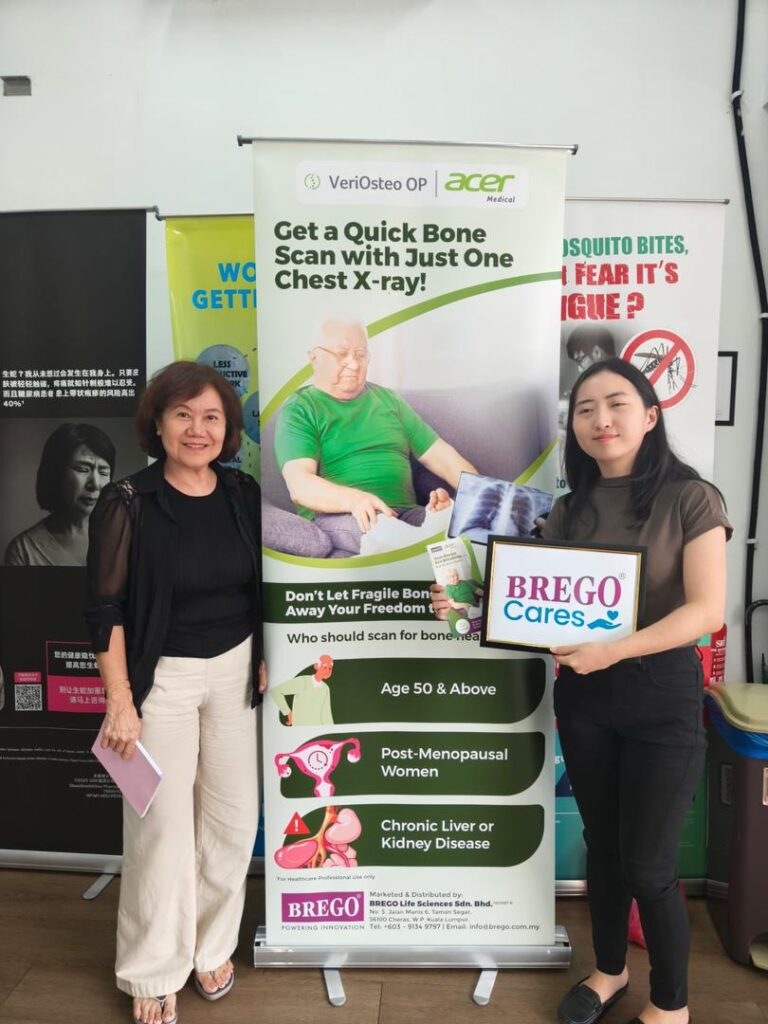
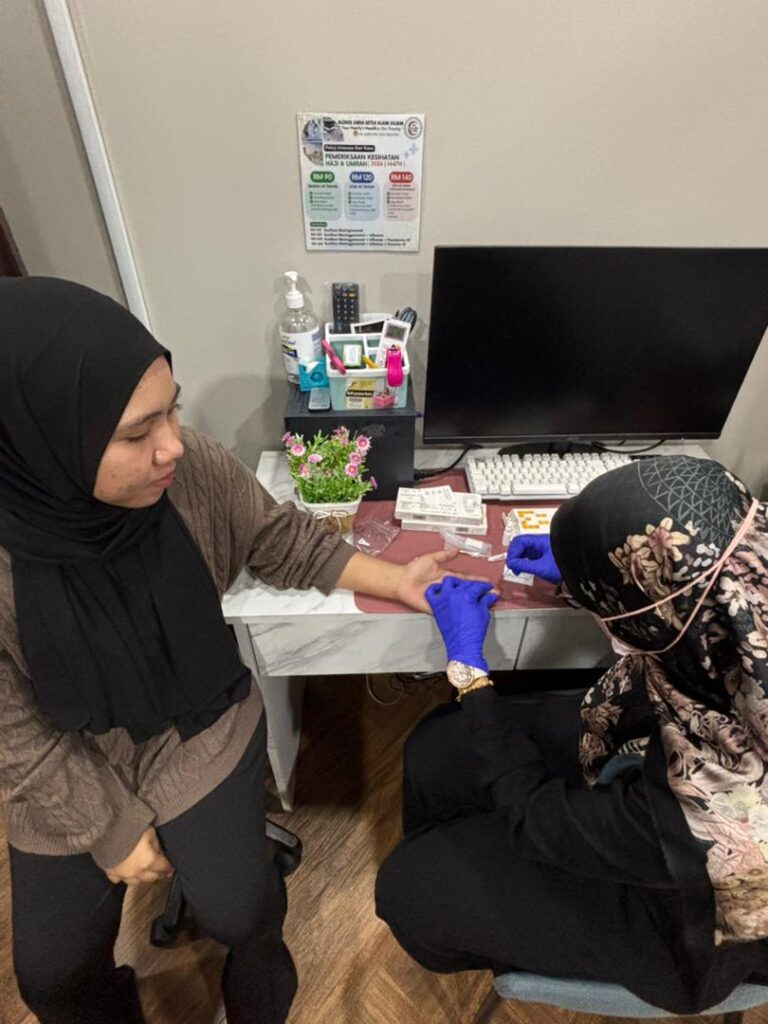
Clinics without X-ray facilities conducted Vitamin D fingerstick screening and bone health education instead, ensuring more communities could take part regardless of the equipment available.
Closing a Known Gap in Malaysian Primary Care
The initiative responded to a known gap in Malaysian primary care. Previous research involving 350 Malaysian primary care doctors found that only 27.7% practised osteoporosis screening, while 90.6% identified limited access to bone mineral densitometry as a barrier.
Malaysia’s ageing population adds urgency to the need for greater attention to bone health. According to the Department of Statistics Malaysia, people aged 65 and above accounted for 8.4% of the country’s population in 2026, up from 8.0% in 2025. Meanwhile, the International Osteoporosis Foundation’s 2025 Asia-Pacific Regional Audit projected that hip fractures in Malaysia could increase more than threefold by 2050.
From Awareness to Action
Participating clinics reported that one of the continuing challenges was encouraging people to consider their bone health while they remained active and symptom-free.
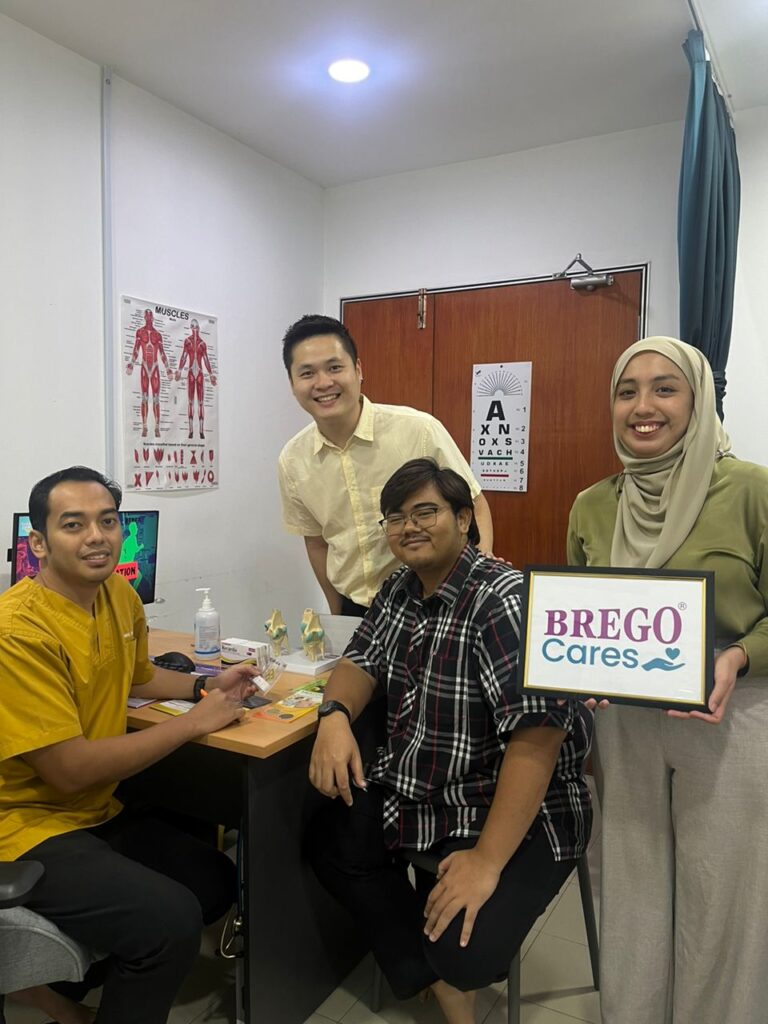
“Many people may not think about their bone health if they feel well and have no obvious symptoms. The challenge is that osteoporosis can progress silently, often going unnoticed until a fracture occurs,” said Dr Ahmad Faris Bin Mohamed, General Practitioner at Klinik Hayat Subang Perdana.
“By making bone health assessment more accessible through primary care clinics, we have an opportunity to raise awareness, identify individuals who may benefit from further assessment and guide them on appropriate next steps,” he said.
The campaign’s preliminary observations also suggested that individuals aged 45 and above, particularly post-menopausal women, may warrant greater attention when it comes to bone health assessment. However, participant profiles and outcomes across the full programme are still being consolidated.
What’s Next for BREGO Cares
BREGO Cares is BREGO Life Sciences’ ongoing corporate social responsibility initiative, supporting communities through healthcare-related programmes that address areas of need. Founded in 2015, BREGO Life Sciences is a Malaysian healthcare company specialising in musculoskeletal and nerve health solutions, with products available in over 2,000 clinics and major hospitals across Malaysia.
Building on this year’s experience, BREGO plans to continue supporting bone health awareness and early assessment through primary care and community-based activities, while exploring other initiatives based on community needs and opportunities to work with healthcare providers across Malaysia.
“What we have learned through BREGO Cares is that bringing preventive healthcare closer to the community can create opportunities for earlier awareness and action. We hope to continue working with healthcare providers and partners to identify where practical support can make a meaningful difference,” said Dr Wong.