

Malaysia’s rich food culture is gaining fresh attention as diners across Asia Pacific show stronger interest in local flavours, healthier choices and more personal dining experiences.
The Marriott Future of Food 2027 report, unveiled in Malaysia on 6 October 2026, highlights how changing consumer preferences are influencing the region’s restaurant and hospitality industry.
Launched through an event called The Local Edit at Petaling Jaya Marriott Hotel, the report also points to new opportunities for Malaysian food producers, chefs and hospitality businesses.
Table of Contents
Local Flavours Lead Asia Pacific Dining Trends
Authentic local cuisine is becoming an important factor in how travellers and local diners choose where to eat.
According to the Marriott Future of Food 2027 report by Marriott International, 95% of surveyed properties across Asia Pacific identified authentic local signature dishes as a major trend in their markets.
Another 69% said local signature dishes were the menu feature most likely to influence guests’ dining decisions.
Demand for these dishes also recorded the strongest growth among menu attributes, at 46%.
For Malaysia, this reflects the value of its diverse food heritage, a point also seen in the global recognition of Malaysian fine dining. Traditional recipes, regional ingredients and familiar flavours offer restaurants a way to stand out while keeping local food traditions relevant.
Healthier Choices Shape Malaysia Food Trends
Health-conscious dining is another area gaining attention.
In Malaysia, Marriott Future of Food 2027 data shows 50% of surveyed properties reported demand for healthy food, while 54% observed growing demand for vegetarian options.
These findings suggest that restaurants may need to offer more variety without losing the flavours customers already enjoy.
Across the region, ingredients associated with wellness are also appearing more frequently on menus.
The Marriott Future of Food 2027 report found that 97% of surveyed properties serve dishes featuring wellness and longevity ingredients, including turmeric, ginger, black sesame and matcha.
Many of these ingredients are already familiar in Asian cooking, giving local chefs room to explore healthier menu choices using established culinary traditions.
The Local Edit Brings Malaysian Ingredients Into Focus
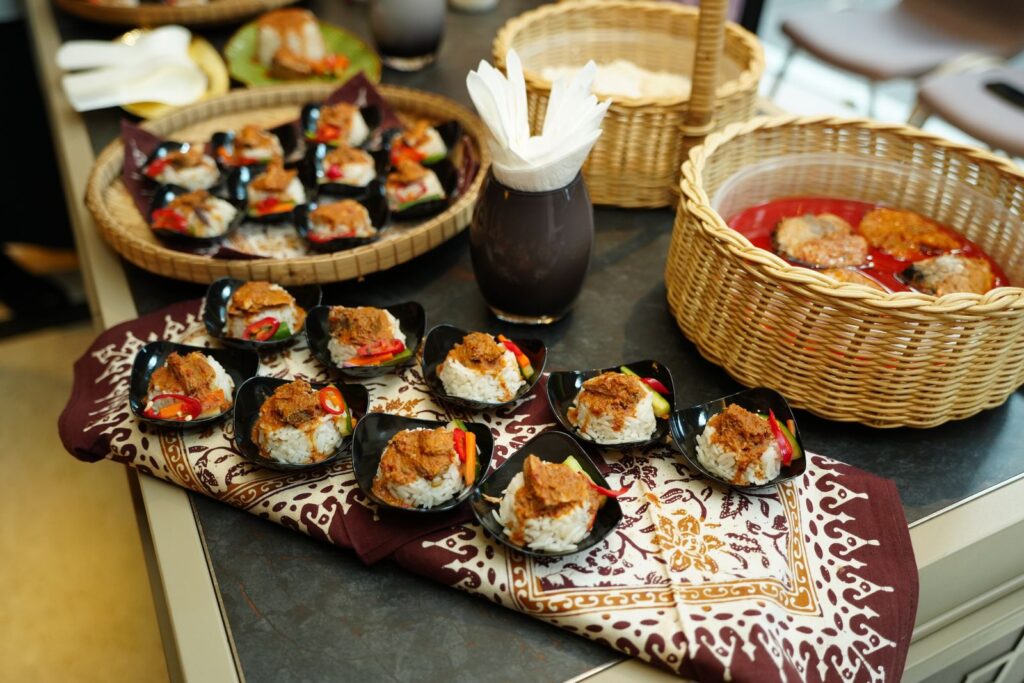
Marriott introduced the report in Malaysia through a 99-minute, five-course dining experience called The Local Edit.

The menu presented familiar Malaysian flavours in contemporary dishes, including Eggplant Rendang, Borneo Harvest, Charcoal Ikan Bakar and Assam Pedas Duck.
The evening ended with an AI-personalised Pandan-Coconut Mousse Tennis Ball dessert, designed around individual guest preferences.

The event also featured Malaysian partners including BoomGrow, Hétam, Salla Kulinaria, Tug Gelato and Bancuhan.
Their involvement highlighted the role of local businesses in supplying ingredients and developing food experiences.
George Varughese, Market Vice President – Malaysia at Marriott International, said guests increasingly want to experience a destination through its food.
He added that Malaysia’s food culture offers opportunities for hotels and restaurants to connect visitors with authentic local flavours.
Local Sourcing Creates Opportunities for Food Producers
The growing interest in ingredient origins could benefit Malaysian farmers, growers and smaller food businesses.
Restaurants are placing greater attention on freshness, seasonal produce and the people behind their ingredients.
For local suppliers, stronger relationships with hotels and restaurants may create opportunities to reach new customers.
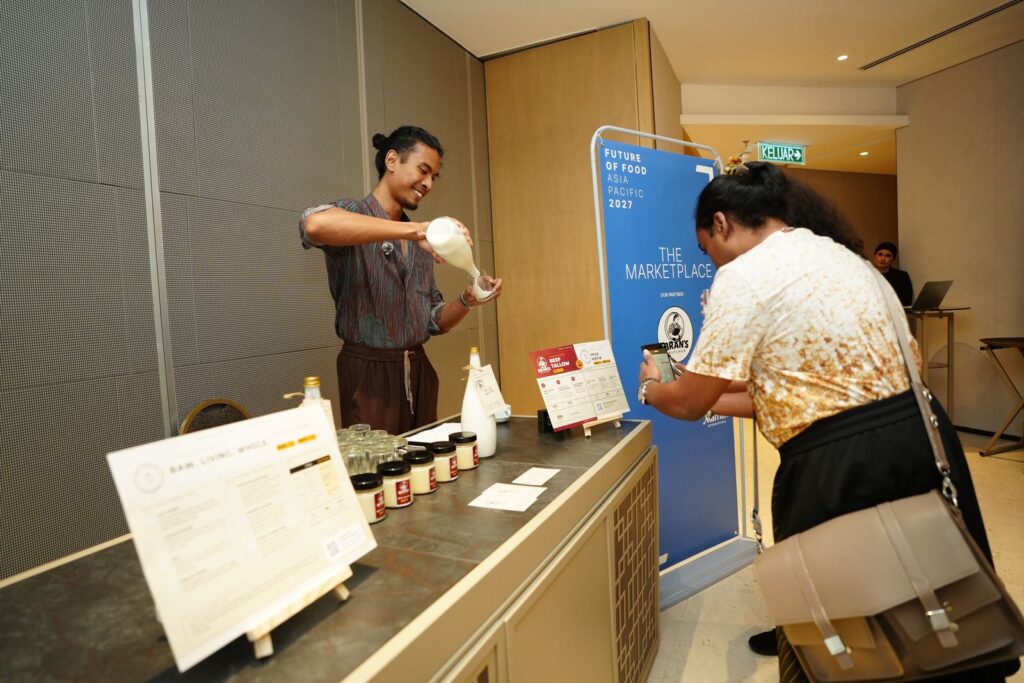
Dr Jay Desan, Co-founder and Director of BoomGrow, highlighted the importance of cooperation between chefs and farmers in improving ingredient freshness and quality.
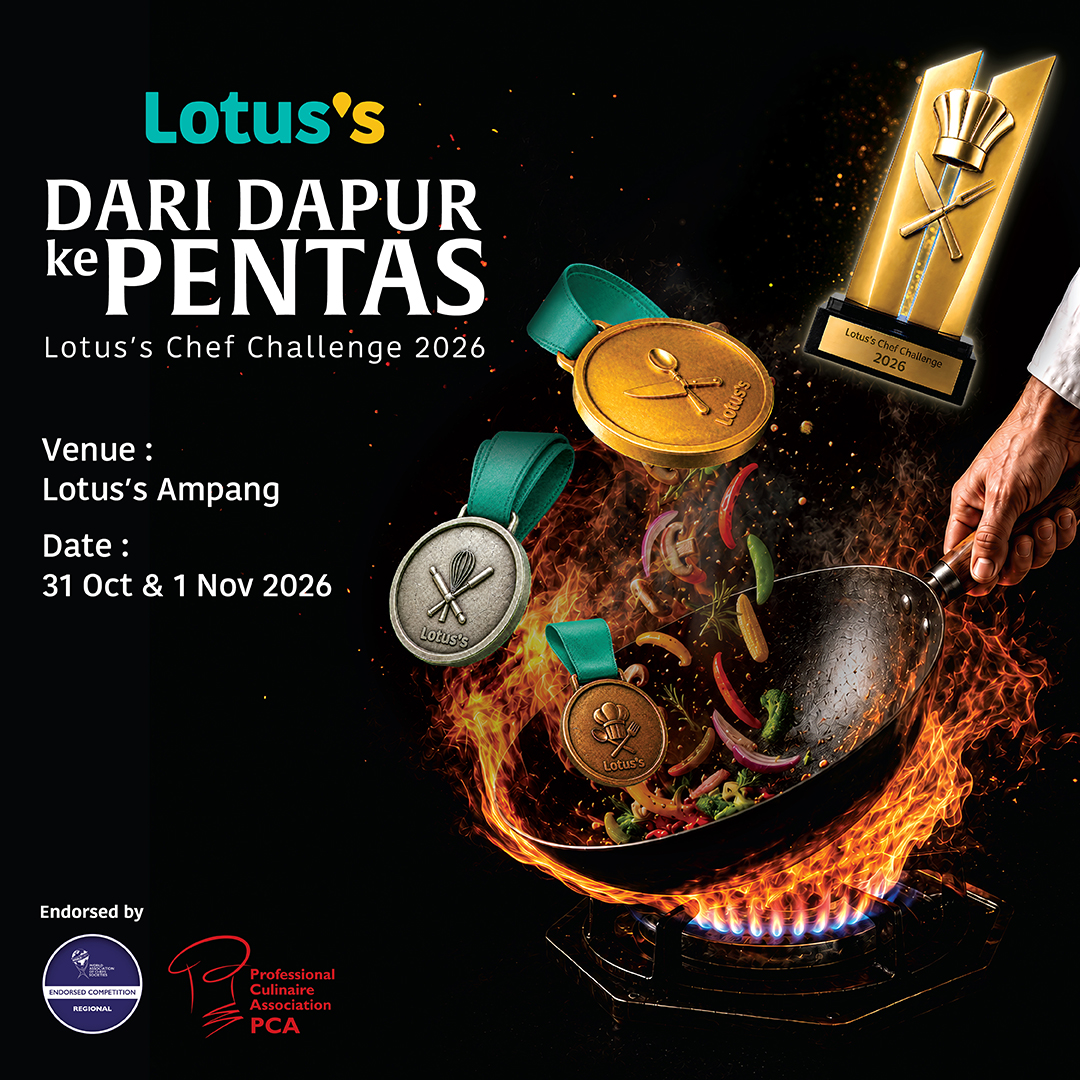
This approach could also strengthen connections between Malaysia’s agricultural sector and hospitality industry, complementing efforts such as the Lotus’s Chef Challenge 2026 to develop local culinary talent.
Smaller Dining Spaces and Technology Gain Ground
The Marriott Future of Food 2027 report also identifies changes in how people use restaurants.
Across surveyed properties, 45% reported growing demand for casual dining spaces. Smaller venues with around 40 to 60 seats are also emerging as preferred settings for more intimate experiences.
Meanwhile, restaurants are exploring flexible seating, private dining areas and spaces designed for solo customers.
Technology is becoming part of this shift.
AI-supported menu development, digital ordering and personalised recommendations can help businesses respond to changing preferences.

However, Marriott’s findings suggest that personal service and human interaction remain central to hospitality.
What This Means for Malaysia’s Hospitality Industry
The Marriott Future of Food 2027 findings point to opportunities for Malaysia’s wider food and tourism economy.
Demand for authentic cuisine may encourage hotels and restaurants to work more closely with local producers, develop regional menus and introduce new dining concepts.
Smaller businesses could also benefit as hospitality operators look for distinctive ingredients and locally made products, alongside wider growth such as Marriott’s expanding Malaysia hotel portfolio.
For Malaysia, the opportunity is not simply to modernise traditional food. It is to preserve its identity while making local culinary experiences more accessible to residents and international visitors.
Looking Ahead: What Marriott Future of Food 2027 Signals
Malaysia’s food culture remains an important part of its tourism appeal and local economy.
As dining habits change, businesses that balance familiar flavours, responsible sourcing and thoughtful technology may be better placed to meet customer expectations.
The Marriott Future of Food 2027 report suggests that the future of dining will depend not only on what appears on the plate, but also on the people, places and traditions behind it.
FAQ
What is Marriott Future of Food 2027?
It is a Marriott International report examining emerging food and dining trends across Asia Pacific, including local cuisine, wellness and technology.
What are the main food trends in Malaysia?
The report highlights interest in healthier meals, vegetarian options, authentic local flavours and more personalised dining experiences.
How can Malaysian food businesses benefit?
Local producers and restaurants may find opportunities through ingredient sourcing partnerships, regional menu development and changing hospitality demand.