Malaysia’s healthcare professionals deal with important clinical questions every day. Turning those observations into structured research, however, can be difficult without the right knowledge, guidance and research support.
BREGO Life Sciences is looking to narrow that gap through the RISE Program Malaysia, a new investigator-led initiative aimed at helping medical officers and eligible healthcare professionals develop their research capabilities.
RISE, short for Research, Innovation & Scientific Excellence, focuses on two areas for its inaugural 2026/2027 cycle: joint health and nerve health. Selected participants will have opportunities to develop case studies and case series, undergo scientific evaluation and potentially receive further research support.
Building Research Skills From Clinical Practice
The programme was launched on 30 September alongside the inaugural BREGO Clinical Research Day.
The event brought together representatives from the Clinical Research Centre (CRC) and Medical Research and Ethics Committee (MREC), as well as clinician-researchers from Malaysian teaching institutions.
Sessions covered practical parts of the research journey, from turning a clinical question into a research project to understanding ethics, approval requirements and publication.
This addresses a real challenge within healthcare. The press release cited a Malaysian study involving specialists at three government hospitals, where all respondents recognised the benefits of research for patients and society, but only 44.9% were actively involved in research. Barriers included access to research expertise, statistical support and navigating approvals.
For early-career clinicians, programmes that make the research process easier to understand could help more ideas from daily practice develop into useful local evidence.
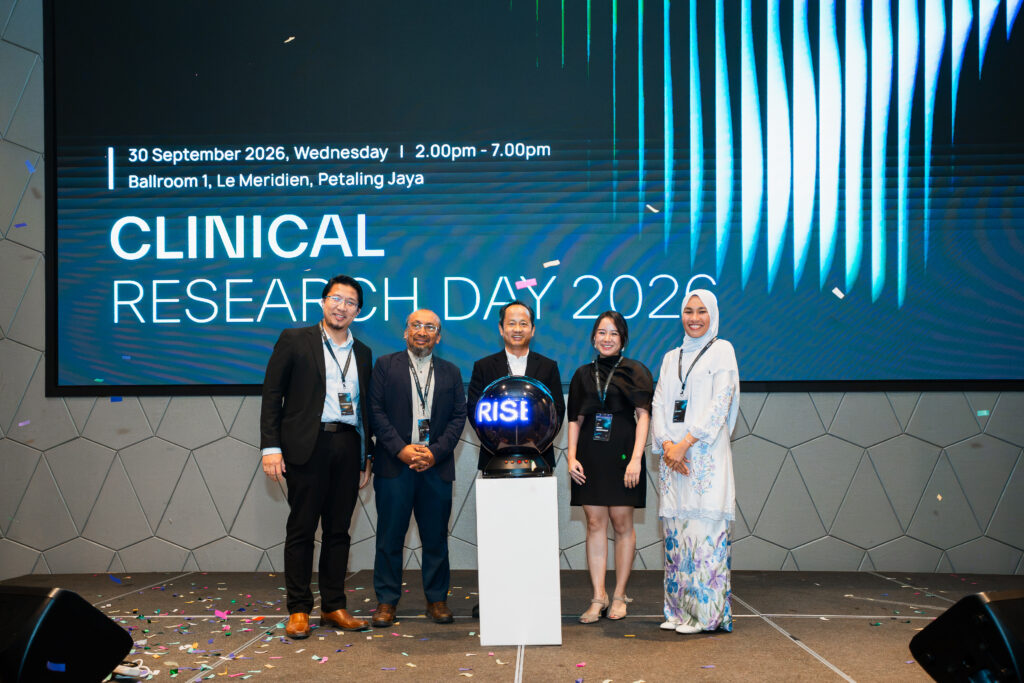
Photo (from left): Assoc. Prof. Dato’ Dr. Wan Asyraf Wan Zaidi, Consultant Neurologist, HUKM; Prof. Dr. Amran Ahmed Shokri, Consultant Orthopaedic Surgeon, HUSM; Dr. Danny Wong, Managing Director, BREGO Life Sciences; Valerie Lu, Medical & Regulatory Affairs Manager, BREGO Life Sciences; and Dr. Anna Misya’il Abdul Rashid, Consultant Neurologist, HUPM, at the official launch of the BREGO Scientific Program (RISE).
A Structured Route From Idea to Research
Rather than functioning as a one-off event, RISE is designed as an annual programme.
Participants first build foundational knowledge before identifying a clinically relevant question or case. They can then develop an abstract for submission and scientific evaluation.
For the 2026/2027 cycle, eligible submissions will focus on joint health or nerve health. Up to 20 selected submissions in each area can receive RISE research support, subject to scientific evaluation and final approval.
Selected high-performing submissions may also become eligible for further RISE Research Grant opportunities. Assessment factors include scientific merit, clinical relevance, feasibility, ethical considerations and the potential contribution to clinical knowledge.
Support may include conference registration for accepted case studies or case series, study-related funding for eligible research projects, speaking opportunities and inclusion in the RISE Program Case Study Series Booklet.
Keeping Research Independent
An important part of the programme is its investigator-led structure.
Healthcare professionals remain responsible for meeting the scientific, ethical, institutional and regulatory requirements that apply to their work. Depending on the project, this can include institutional approval, National Medical Research Register registration, ethics approval, informed consent and protection of patient data.
BREGO’s research support does not replace these approvals or determine treatment decisions, study conduct, data interpretation or publication conclusions.
That distinction matters as Malaysia looks to encourage closer links between healthcare practice, research institutions and industry without weakening scientific independence.
Why Clinician-Led Research Matters
Local clinical research can help healthcare systems understand issues that emerge directly from patient care.
Clinicians are often among the first to notice patterns, unanswered questions or areas where existing evidence may not fully reflect local patient needs. Giving them clearer routes into research can help turn those observations into evidence that other healthcare professionals can learn from.
Dr Danny Wong, Managing Director of BREGO Life Sciences, said the programme aims to give healthcare professionals a clearer pathway to develop their ideas and submit them for scientific evaluation.
The wider goal is to encourage more healthcare professionals to contribute to clinical evidence and strengthen Malaysia’s research culture.
RISE also complements existing research capacity-building efforts within Malaysia. During the launch, Dr Tay Ju Fan, Manager of the Clinical Research Centre at Hospital Selayang, highlighted the value of connecting clinicians with research knowledge and available resources.
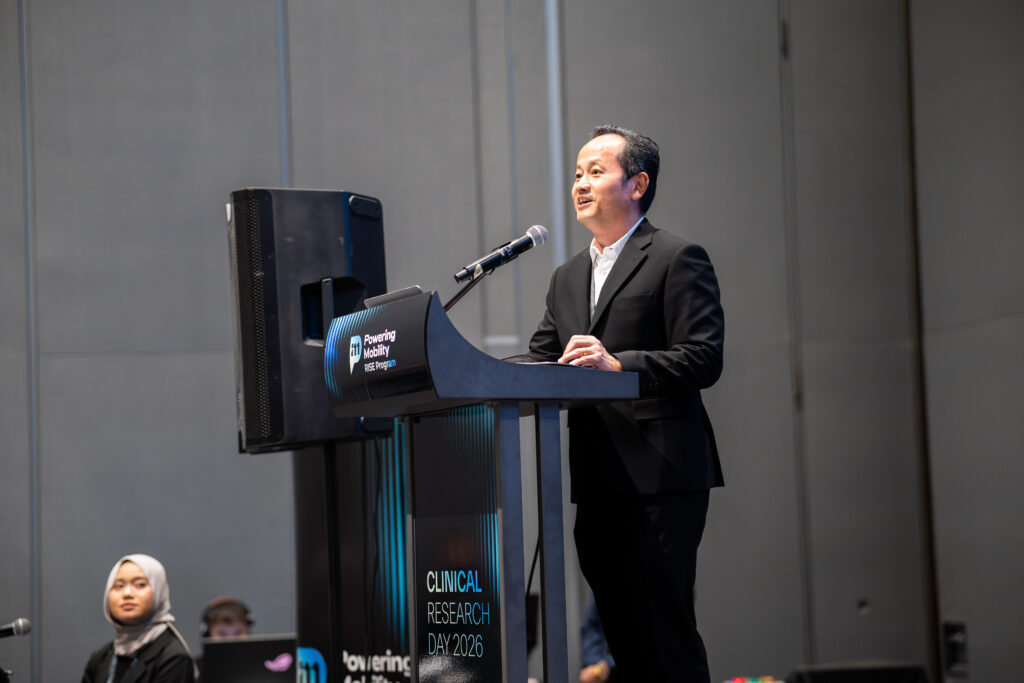
Photo: Dr. Danny Wong, Managing Director of BREGO Life Sciences, delivering his opening speech.
Applications Open for the 2026/2027 Cycle
The programme is open to Medical Officers, Master’s candidates and eligible registered healthcare professionals affiliated with recognised Malaysian healthcare institutions, universities or teaching hospitals.
Case study and case series submissions opened on 30 September 2026, with the closing date scheduled for 31 January 2027, subject to final confirmation. Scientific evaluation is planned for March, followed by a RISE Presentation Day for finalists in April 2027.
Applicants must submit work within joint health or nerve health and meet relevant institutional, ethical and regulatory requirements.
For Malaysia’s healthcare sector, the longer-term value goes beyond the individual projects selected. Building confidence and research skills among clinicians can widen participation in evidence generation and create stronger links between everyday patient care and locally relevant clinical knowledge.
Conclusion
The RISE Program adds another route for Malaysian healthcare professionals who want to move from clinical observation into structured research.
Its impact will ultimately depend on the quality of submissions and the research that progresses beyond the programme. Still, creating more opportunities for clinicians to learn, investigate and share evidence can support a stronger research culture and, over time, better-informed patient care.