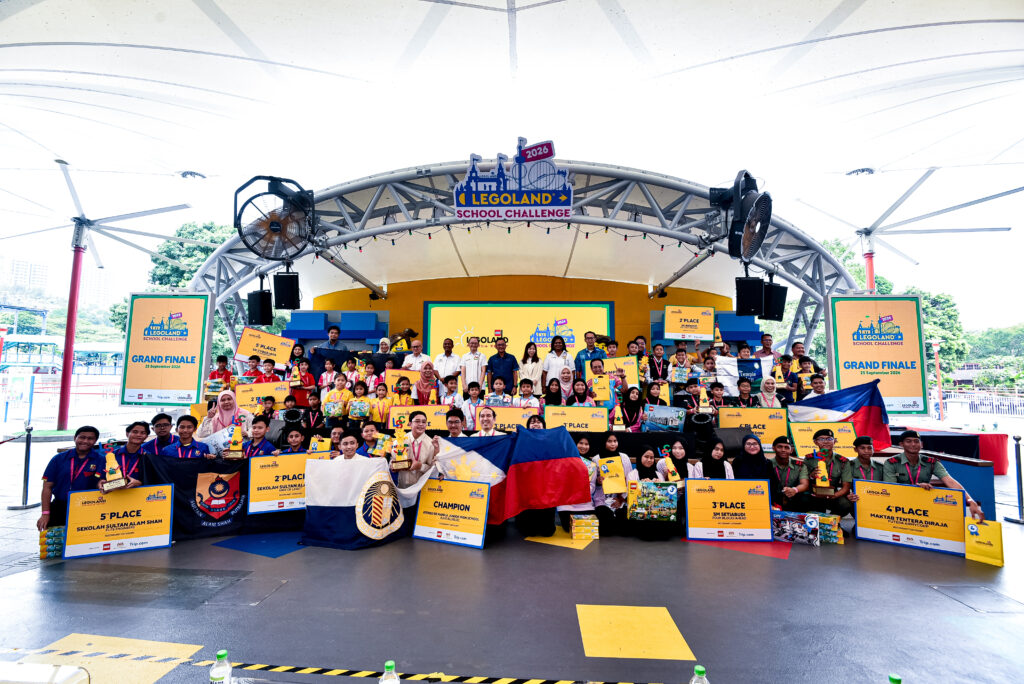
Young builders from Malaysia and the Philippines have taken top honours at the LEGOLAND School Challenge 2026, following a regional competition that brought together students from six Asian markets.
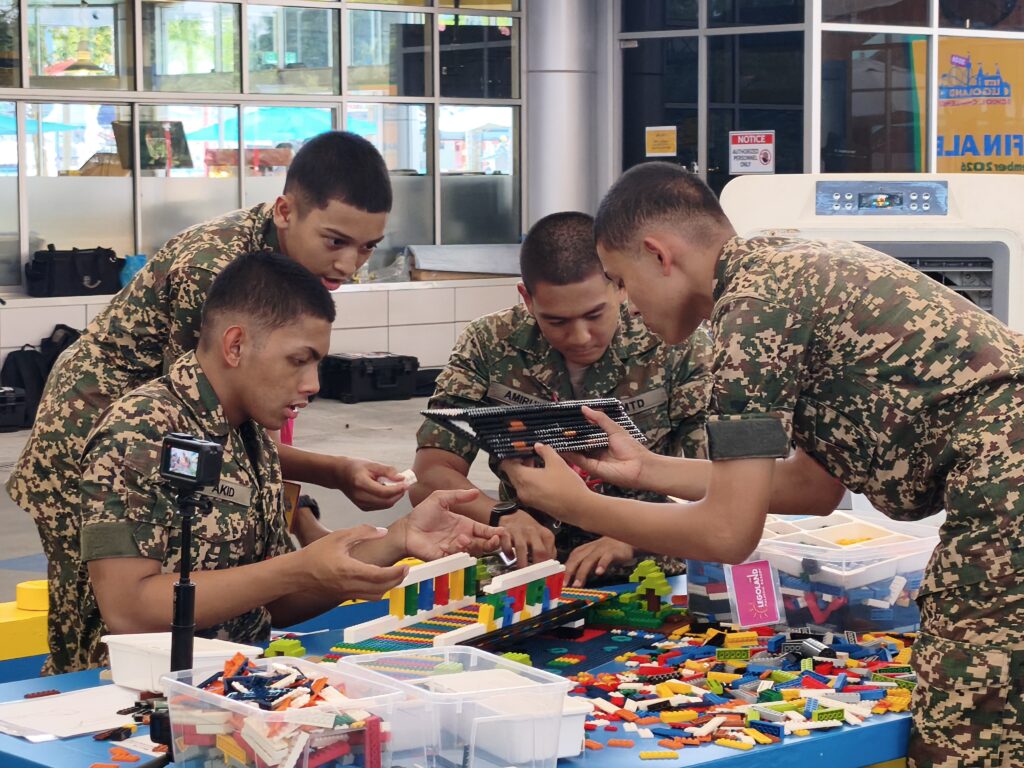
Now in its fifth year, the competition received 451 submissions across three age groups. Fifteen teams reached the Grand Finale, representing Malaysia, India, Singapore, the Philippines, Hong Kong and China. This year’s theme, “The Ultimate Theme Park Ride,” asked students to turn their ideas into LEGO creations while applying creativity and technical skills.
Beyond the colourful builds, the programme reflects a wider push towards hands-on learning. Students were encouraged to solve problems, work in teams and explore STEAM concepts through play.
Malaysian Schools Take Two Championship Titles
Malaysia secured the top prizes in the Junior and Primary categories.
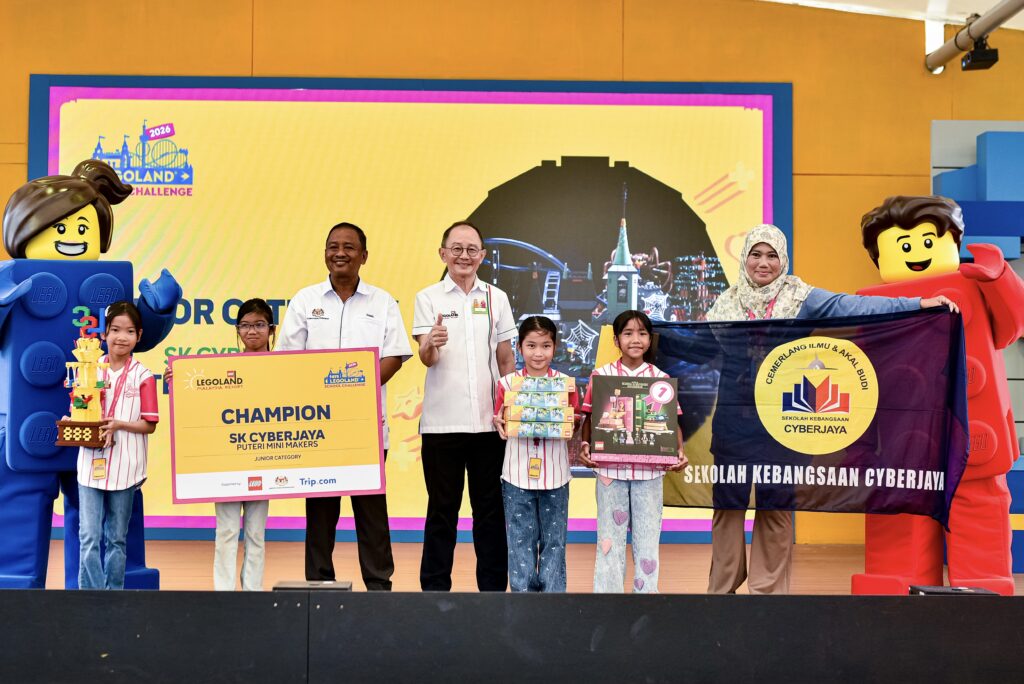
Puteri Mini Makers from SK Cyberjaya, Selangor, won the Junior Category for students aged seven to nine.
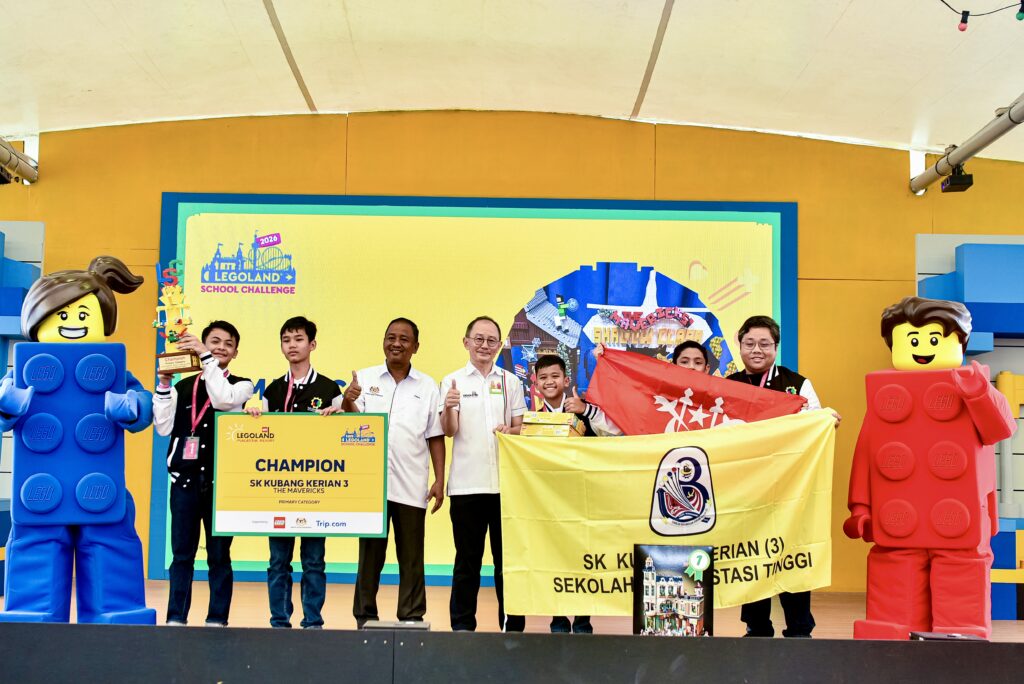
The Mavericks from SK Kubang Kerian 3 in Kelantan emerged as Primary Category champions for ages 10 to 12.
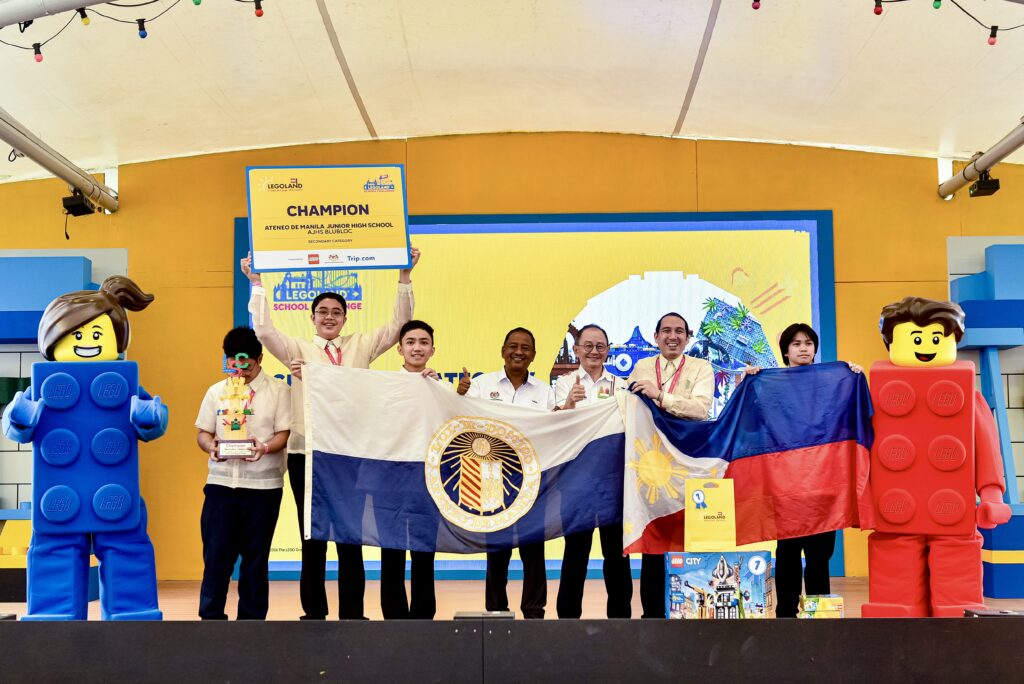
The Secondary Category title went to AJHS BluBLOC from Ateneo de Manila Junior High School in the Philippines.
Malaysian schools also featured strongly throughout the finalist rankings. Schools from Kuala Lumpur, Kedah, Negeri Sembilan, Johor, Putrajaya and Selangor secured places across the three categories.
That broad participation matters. It shows how project-based activities can give students from different parts of the country a platform to demonstrate skills beyond conventional classroom assessments.
Building STEAM Skills Through Play
The LEGOLAND School Challenge 2026 is organised in partnership with Malaysia’s Ministry of Education.
According to LEGOLAND Malaysia Resort Vice President Cs Lim, the changing competition theme encourages students to explore new ideas while developing creativity, problem-solving and teamwork.

Photo: Cs Lim, Vice President of LEGOLAND Malaysia Resort
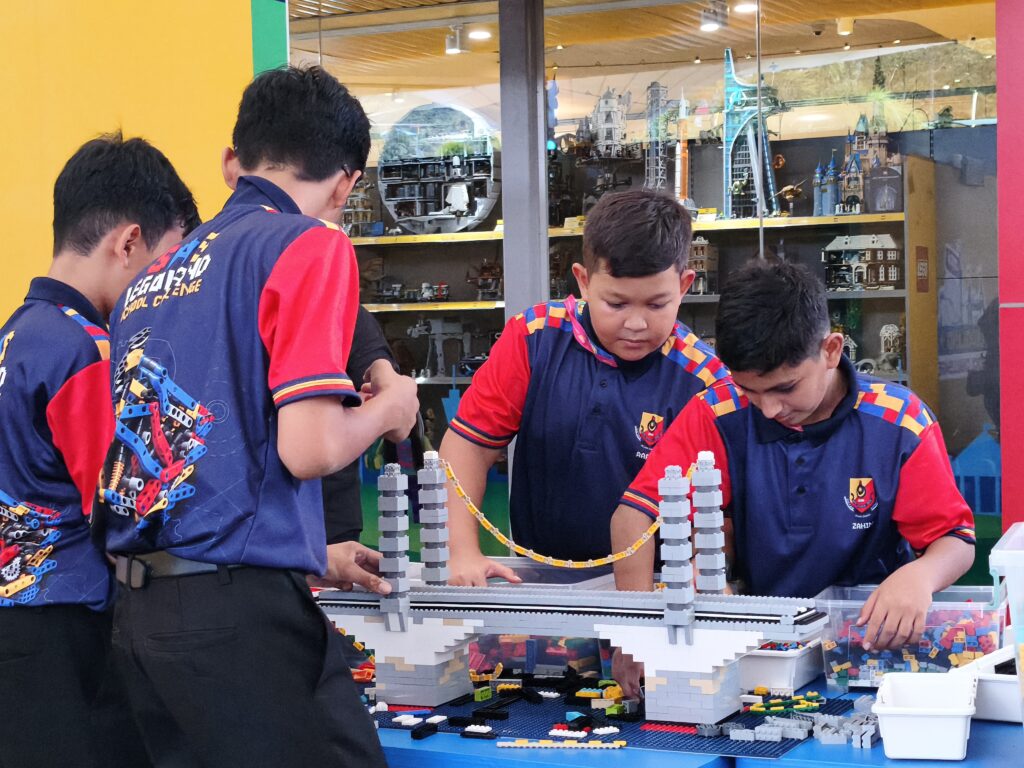
The programme is rooted in learning through play. Students have to move from an initial idea to a physical build, testing what works and making changes along the way.
This approach gives young people practical exposure to STEAM — science, technology, engineering, arts and mathematics — while also building communication and critical-thinking skills.
For schools, competitions of this kind can complement classroom learning by giving students a clear project and a reason to collaborate.
Regional Participation Creates Wider Learning Opportunities
The scale of this year’s competition also gives it a regional dimension.
With entries coming from six markets, students had an opportunity to see how their peers approached the same challenge in very different ways. The final creations brought together imagination, design and technical thinking around one common theme.
The finalists’ creations will remain on display at MINILAND at LEGOLAND Malaysia Resort until December 2026, allowing visitors to view the students’ work.
Recognition extends beyond trophies. Primary and Secondary Category champions will receive trips to LEGOLAND Shanghai, while the Junior Category champion will receive a trip to LEGOLAND Malaysia. Winners will also receive annual passes, LEGO sets and certificates of achievement.
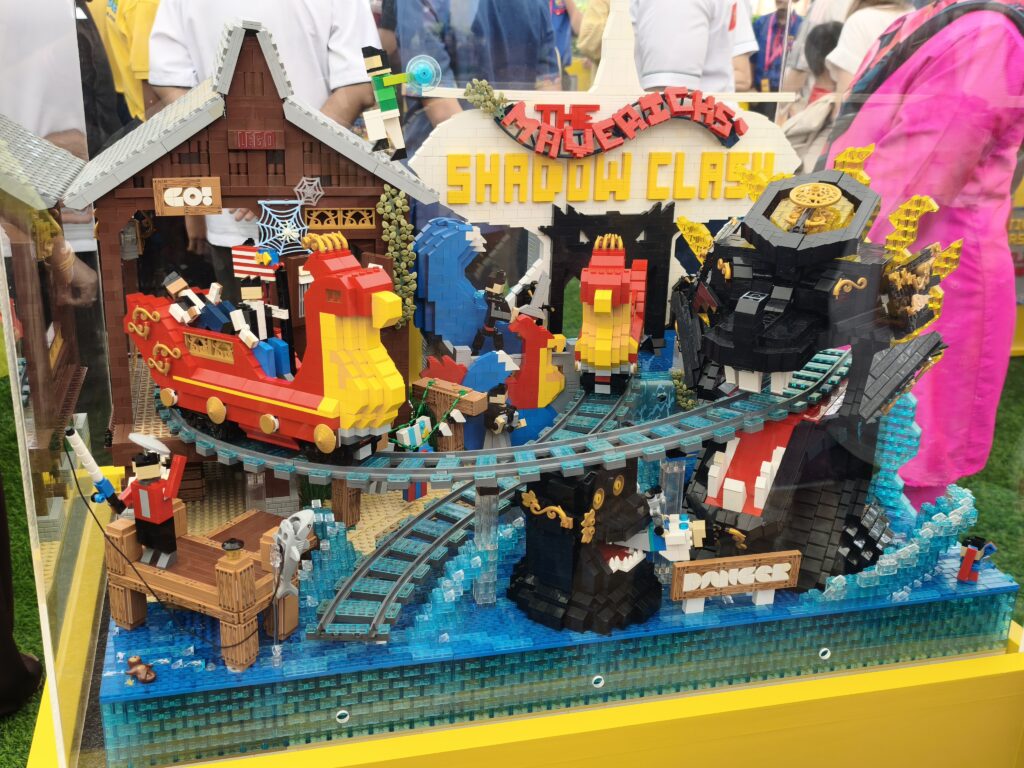
Photo: Project by The Mavericks from SK Kubang Kerian 3, Kelantan
Why Youth Competitions Matter for Skills Development
Asia’s future workforce will need more than academic knowledge. Problem-solving, collaboration, creativity and the confidence to experiment are increasingly useful across technical and professional fields.
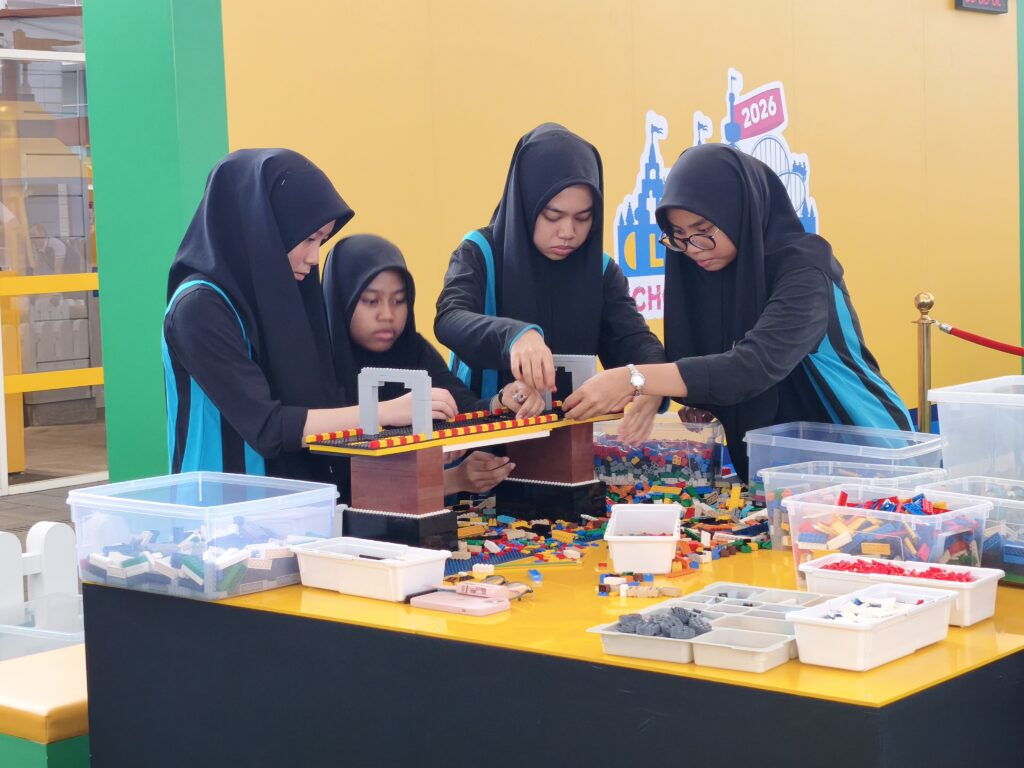
Programmes built around practical challenges can introduce these abilities at an early age without turning learning into another formal lesson.
They also give students a visible outcome. A model that begins as an idea and eventually reaches a regional final can help young participants understand how planning, testing and teamwork contribute to results.
For Malaysia, the strong showing by schools from several states also highlights the value of giving young learners more channels to explore STEAM education.
Supporting Asia’s Next Generation of Problem-Solvers
The fifth LEGOLAND School Challenge shows how a familiar activity such as LEGO building can become a wider learning experience.
As schools across Asia look for ways to prepare students for changing skills needs, hands-on programmes can provide another route for developing creativity and technical confidence.
For the young builders themselves, the achievement goes beyond winning a competition. They have had the chance to turn imagination into something tangible, work through problems together and share their ideas on a regional stage.