Malaysia’s dining scene is gaining more international attention as travellers increasingly build food experiences into their holiday plans.
Four Kuala Lumpur establishments have been included in Trip.Gourmet’s 2027 Fine Dining List, placing Malaysia fine dining alongside restaurants from established culinary destinations across Asia and beyond. The recognition comes as food-related travel searches continue to rise globally.
For Malaysia, the development carries a wider tourism message. Restaurants are becoming part of how cities attract visitors, encourage spending and build stronger destination identities.
Four Kuala Lumpur Restaurants Make the Global List
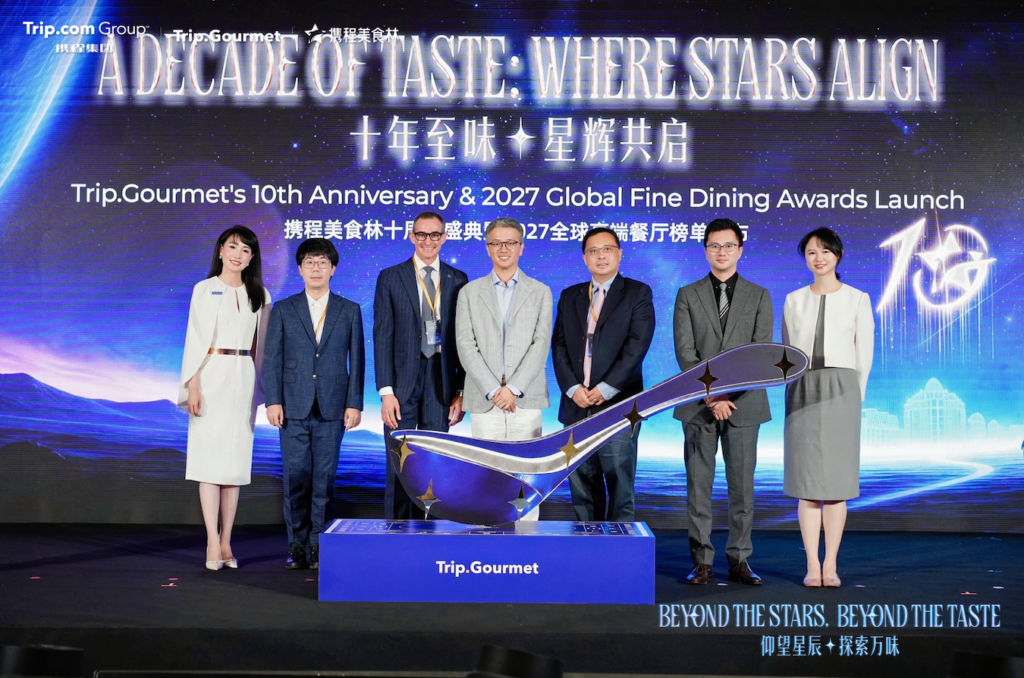
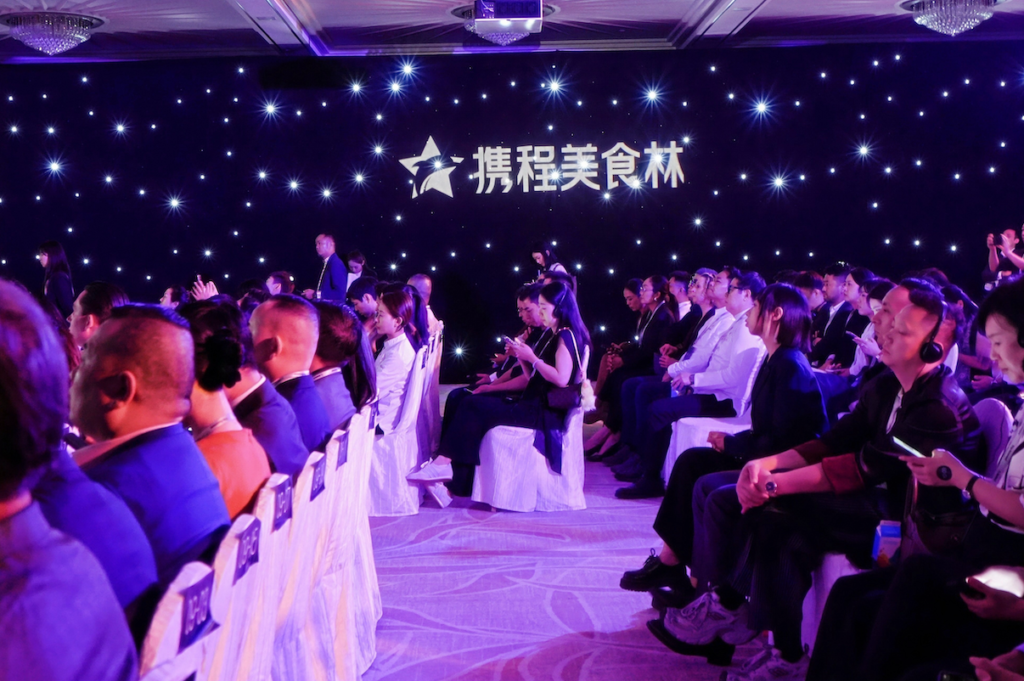
Trip.Gourmet, the food and dining brand under Trip.com Group, released its 2027 list during its tenth anniversary event at Resorts World Sentosa in Singapore.
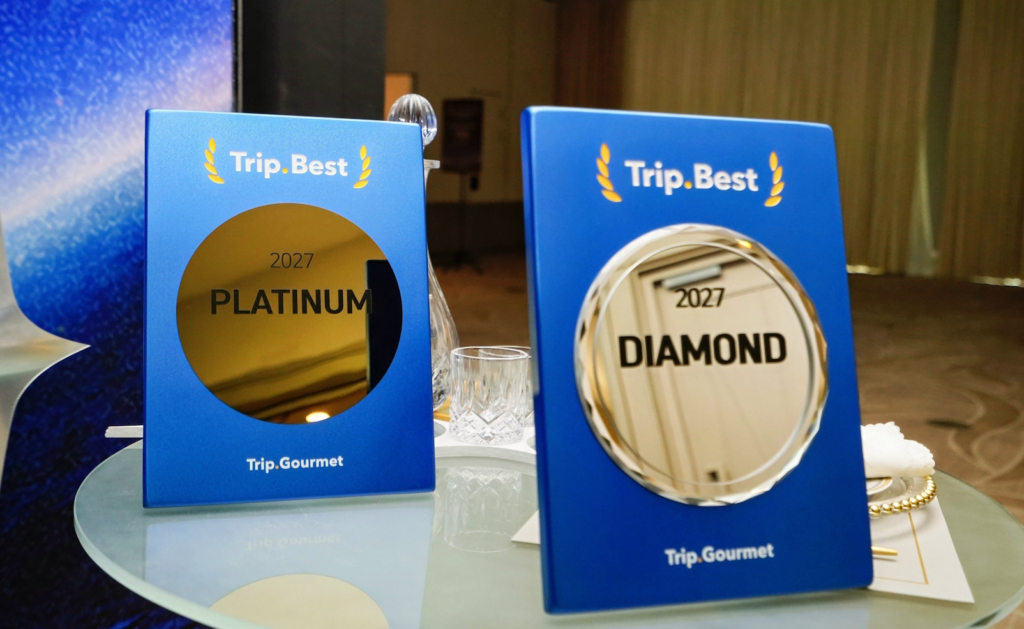
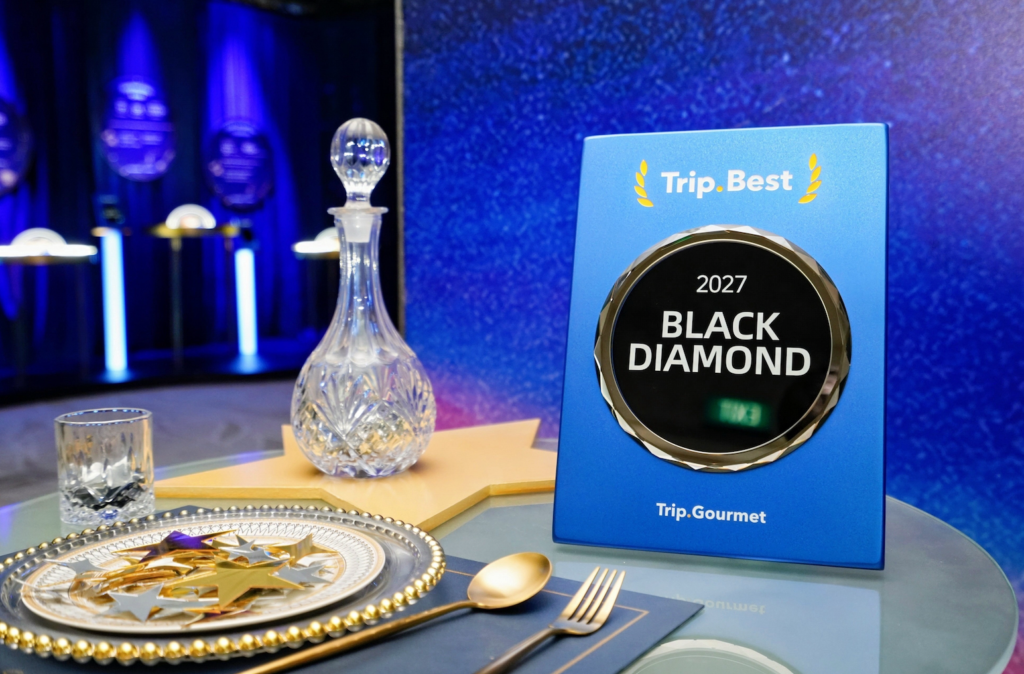
The global list covers 744 restaurants across 105 cities and 40 countries and regions. Restaurants are divided into three levels: Black Diamond, Diamond and Platinum.
Malaysia has four restaurants on the list, all in Kuala Lumpur. DC Resstaurant and DEWAKAN received Diamond recognition, while Nadodi at Four Seasons Kuala Lumpur and Sushi Taka at The St. Regis Kuala Lumpur were placed in the Platinum tier.
Their inclusion gives Kuala Lumpur added visibility in a dining landscape still heavily influenced by major Asian culinary centres.
Asia-Pacific Remains a Fine Dining Stronghold
Asia-Pacific accounts for a large share of the 2027 list. According to Trip.Gourmet, 478 recognised restaurants are located across 51 cities in the region, representing nearly two-thirds of the global total.
Singapore alone has 27 restaurants on the list, including three in the highest Black Diamond tier. Tokyo, Shanghai and Beijing are also highlighted among the region’s major culinary hubs.
This concentration points to the growing role of dining in Asia’s visitor economy. Food is no longer simply an activity after travellers arrive. For some visitors, a particular restaurant or local cuisine can help determine where they travel.
Food Searches Point to Changing Travel Habits
Trip.com Group data provides another sign of this shift. The company reported that food-related searches increased 45% during the first eight months of 2026, while restaurant searches climbed 68%.
Interest went beyond fine dining. Searches for cafés, coffee and tea increased 67%, while seafood searches rose 218%. Searches related to local specialities increased by more than 700%, according to company data.
Asia-Pacific destinations also recorded strong growth. Food-related search volumes rose 130% for Japan and 347% for Indonesia, while Hong Kong recorded a 71% increase over the same period.
These are company platform figures rather than industry-wide tourism data, but they offer a useful indication of changing traveller interests.
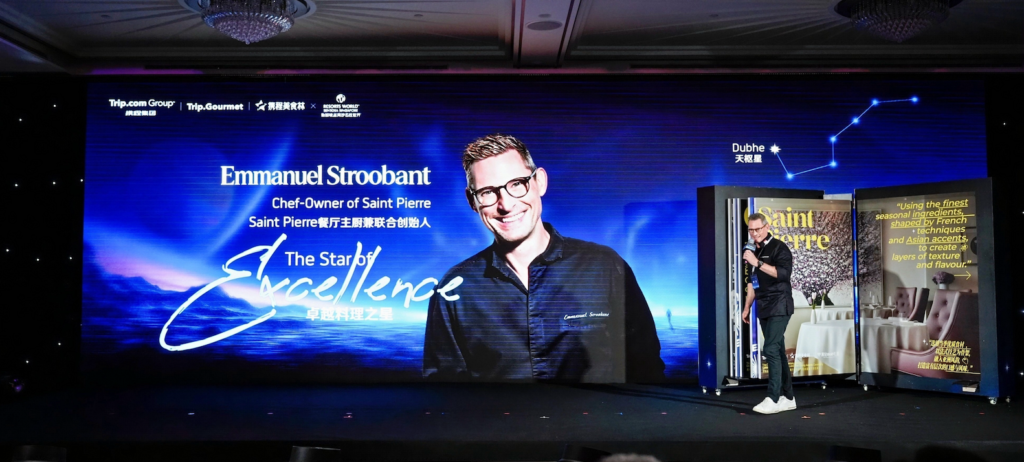
Dining Discovery Moves Closer to Booking
Trip.Gourmet is also trying to turn restaurant discovery into a more direct part of travel planning.
Its booking network now covers more than 43,600 restaurants worldwide, with nearly 40,000 located outside China. Many can be booked through its platform.
The company also introduced WOW Privileges, a programme for Trip.com Group Black Diamond members. It provides access to limited seats at selected hard-to-book restaurants, with more than 320 seats expected to be offered over a year.
A separate China Travel Culinary List has also been introduced to help international visitors navigate menus, dietary requirements, ordering and reservations. It currently covers 30 cities, with plans to expand to 100.
What This Means for Malaysia’s Visitor Economy
For Malaysia, international restaurant recognition can support more than the establishments involved.
A stronger culinary profile can complement Kuala Lumpur’s existing position as a shopping, business and leisure destination. Visitors drawn by dining experiences also spend on accommodation, transport, retail and other local services.
The presence of different concepts on the list also helps show the variety available in the capital’s higher-end restaurant market.
As competition for regional visitors grows, culinary tourism Malaysia can become another way to distinguish the country. The opportunity extends beyond premium restaurants. Local food, cafés and traditional specialities remain important parts of the same visitor economy.
Looking Ahead
The 2027 Fine Dining List shows how closely food and travel are becoming connected. For Kuala Lumpur, having four establishments represented gives the city another platform to reach international travellers.
The longer-term opportunity will be turning that visibility into wider value for Malaysia’s hospitality and tourism sectors. If food continues to influence travel decisions, the country’s diverse dining culture could play a bigger role in how visitors discover Malaysia.
About Trip.com Group
Trip.com Group is a leading global travel service provider comprising of Trip.com, Ctrip, Skyscanner, and Qunar. Across its platforms, Trip.com Group helps travellers around the world make informed and cost-effective bookings for travel products and services and enables partners to connect their offerings with users through the aggregation of comprehensive travel-related content and resources, and an advanced transaction platform consisting of apps, websites and 24/7 customer service centres. Founded in 1999 and listed on NASDAQ in 2003 and HKEX in 2021, Trip.com Group has become one of the best-known travel groups in the world, with the mission “to pursue the perfect trip for a better world”. Find out more about Trip.com Group here: group.trip.com.