


ESG, which stands for Environmental, Social, and Governance, is a set of criteria used to evaluate the operations of the company and performance beyond traditional financial metrics. These criteria help investors identify companies that are not only financially sound but also committed to ethical, sustainable, and socially responsible practices.
As businesses and investors increasingly prioritize sustainability and corporate responsibility, understanding ESG becomes crucial.
ESG: Environmental, Social, & Governance
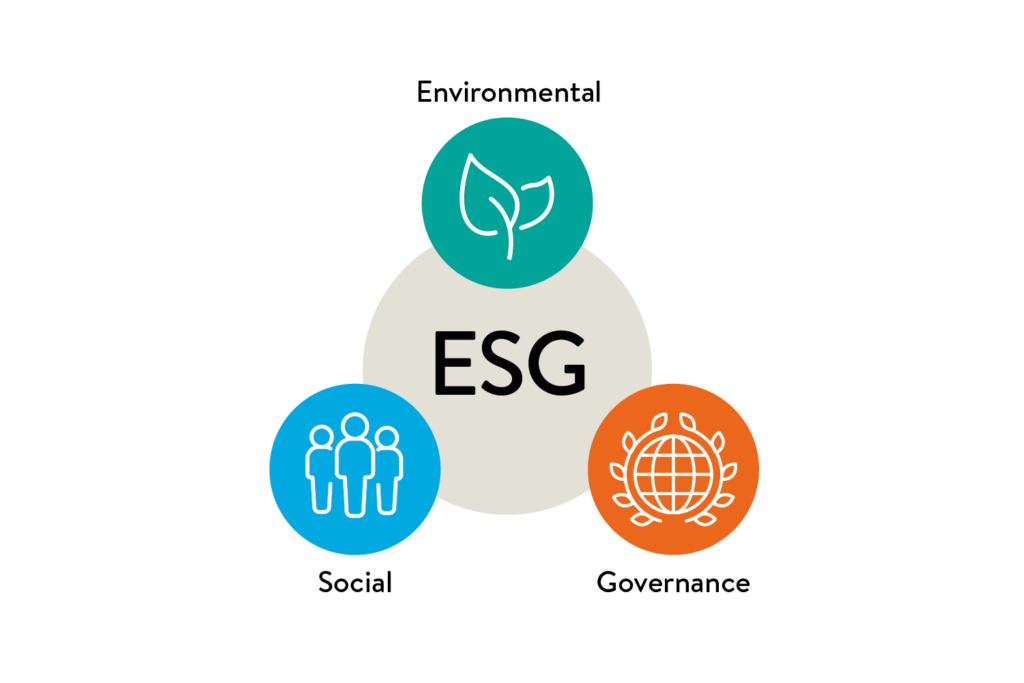
Image via Buro Happold
The Environmental Component
Image via MHES
The environmental criteria of ESG focuses on how the operations of the company impact the natural world. This includes:
- Carbon Footprint: Measuring and managing greenhouse gas emissions.
- Resource Management: Efficient use of water, energy, and raw materials.
- Pollution and Waste: Minimizing pollution and properly managing waste disposal.
- Biodiversity: Protecting natural habitats and promoting ecological balance.
Companies with strong environmental practices aim to reduce their negative impact on the planet, often by adopting renewable energy sources, minimizing waste, and implementing sustainable resource management strategies.
The Social Dimension
Image via MHES
The social criteria of ESG assesses how a company manages relationships with employees, suppliers, customers, and the communities where it operates. Key elements include:
- Labor Practices: Ensuring fair wages, safe working conditions, and respecting workers’ rights.
- Diversity and Inclusion: Promoting a diverse and inclusive workplace culture.
- Human Rights: Upholding human rights within the company’s operations and supply chain.
- Community Engagement: Contributing to the well-being of local communities through philanthropy and volunteer efforts.
Companies excelling in the social dimension foster positive relationships, support employee well-being, and actively contribute to societal progress.
Governance Structures
Image via MHES
Governance refers to the internal systems of practices, controls, and procedures a company adopts to govern itself, make effective decisions, comply with the law, and meet the needs of stakeholders. Important factors include:
- Board Composition: Having a diverse and independent board of directors.
- Ethical Conduct: Implementing codes of conduct and anti-corruption policies.
- Transparency: Maintaining clear and accurate financial reporting.
- Stakeholder Rights: Protecting the interests and rights of shareholders and other stakeholders.
Effective governance ensures that companies are managed ethically and transparently, aligning the interests of management with those of shareholders and other stakeholders.
ESG criteria represent a comprehensive approach to evaluating a company’s long-term sustainability and ethical impact. By integrating environmental, social, and governance considerations, investors and companies alike can work towards a more sustainable and equitable future.