
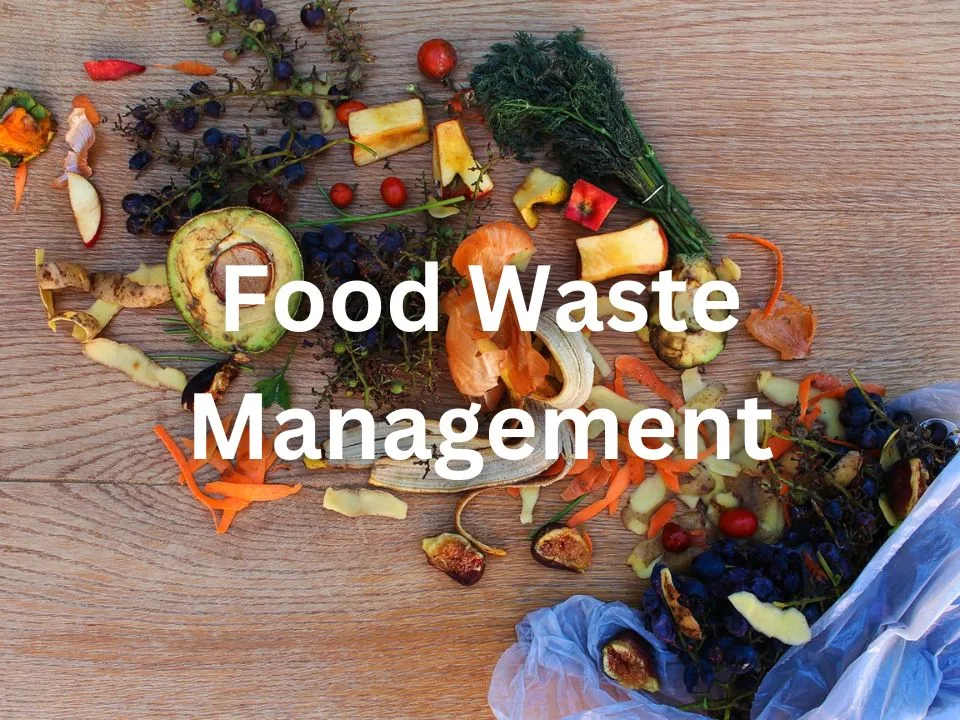
In a world where food production is at an all-time high, it’s easy to overlook the fate of what’s left uneaten. Food waste is a pervasive issue, with staggering amounts discarded every day around the globe.
The Journey Of Your Food Scraps
But have you ever wondered where all that waste ends up? From your kitchen bin to the final destination, let’s delve into the journey of your food scraps and explore the complex web of waste management.
First Stop: The Household Bin

Image via Delicious
The journey of food waste often begins in our own kitchens. From leftovers to spoiled produce, each discarded item finds its way into the household bin. Despite efforts to minimize waste, a significant portion of edible goods still ends up in the trash. This initial step highlights the importance of mindful consumption and proper meal planning to reduce unnecessary waste at the source.
Second Stop: Collection & Transportation

Image via Dewan Bandaraya Kuching Utara
Once collected from households, food waste embarks on its next journey through the intricacies of waste management systems. Municipal waste collection services play a crucial role in transporting organic waste to designated facilities. Specialized vehicles equipped to handle organic matter ensure efficient and sanitary transportation, minimizing the risk of contamination and odors during transit.
Third Stop: Turning Waste Into Resources

Image via Fertilizer Machines
Upon arrival at dedicated waste management facilities, food scraps undergo various treatment processes tailored to maximize resource recovery. Composting emerges as a sustainable solution, where organic waste is transformed into nutrient-rich compost through decomposition. This valuable end product finds application in agriculture, landscaping, and soil enrichment, closing the loop in the food production cycle.
Fourth Stop: Anaerobic Digestion

Image via Alpheus
Another innovative approach to food waste management is anaerobic digestion. This process harnesses the power of microorganisms to break down organic matter in an oxygen-deprived environment, yielding biogas and nutrient-rich digestate. Biogas, primarily composed of methane, serves as a renewable energy source for electricity generation or heating, contributing to a more sustainable and circular economy.
Fifth Stop: The Final Resting Place, Landfills

Image via The Star
Despite efforts to divert food waste from landfills, a significant portion still finds its way to these vast burial grounds of refuse. In anaerobic conditions, organic matter decomposes anaerobically, producing methane, a potent greenhouse gas with implications for climate change. Landfill management strategies, such as methane capture systems, aim to mitigate environmental impacts, but the ultimate goal remains reducing the volume of waste destined for landfill disposal.
The Global Perspective: A Call To Action

Image via Monash University
The journey of food waste doesn’t end at the local level; it extends across borders, impacting ecosystems and communities worldwide. As we confront the challenges of food security, environmental sustainability, and climate change, addressing food waste emerges as a critical imperative. Through concerted efforts at individual, community, and governmental levels, we can adopt practices that minimize waste generation, optimize resource recovery, and foster a more resilient and equitable food system for generations to come.
In conclusion, understanding the journey of food waste sheds light on the interconnectedness of consumption, waste management, and environmental stewardship. By reimagining our relationship with food and embracing sustainable practices, we can chart a path towards a more regenerative and waste-free future.