
In recent years, the concept of indoor vertical farming has emerged as a beacon of hope in addressing food insecurity and mitigating the financial strain induced by the escalating cost of living.
Malaysia, in particular, has witnessed a surge in the adoption of indoor vertical farming as a sustainable and efficient method of food production, marking a significant shift in agricultural practices.
What Is Indoor Vertical Farming?
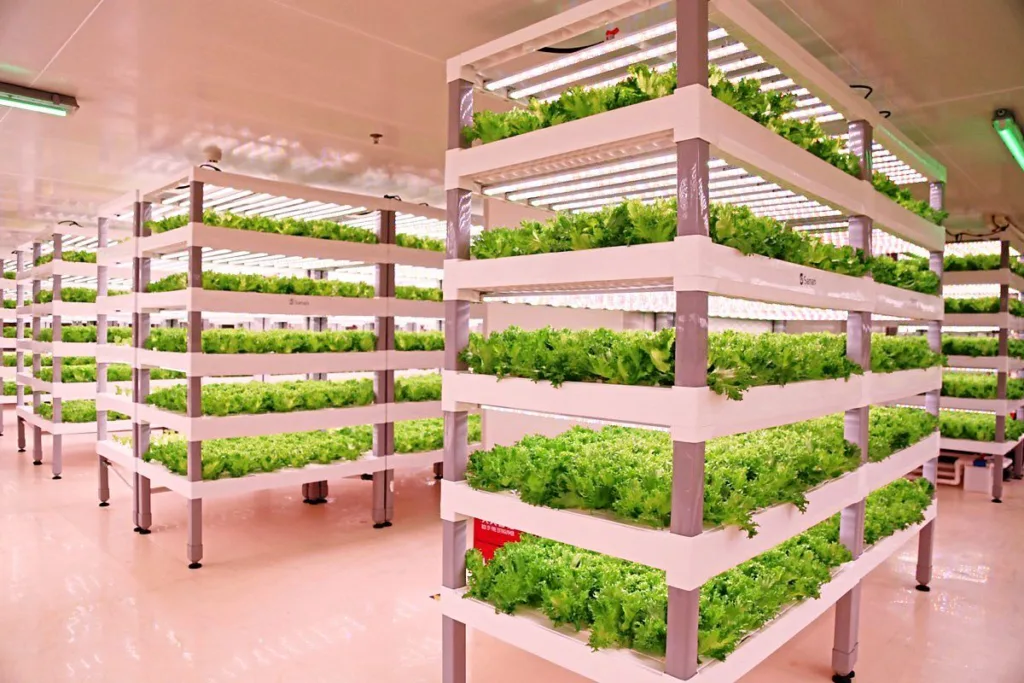
Image via The Star
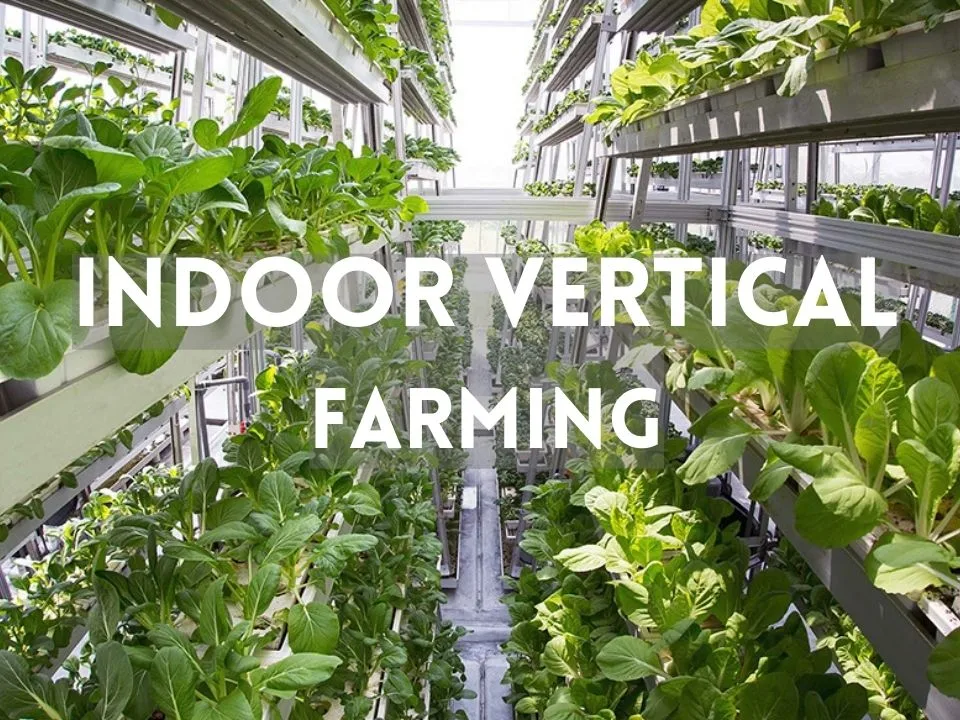
This innovative approach to farming involves cultivating crops in vertically stacked layers within controlled indoor environments. By utilizing this method, farmers can achieve higher yields in smaller spaces compared to traditional farming methods. The versatility of indoor vertical farming extends to various urban agriculture techniques, making use of previously unused spaces such as rooftops, walls, and indoor facilities.
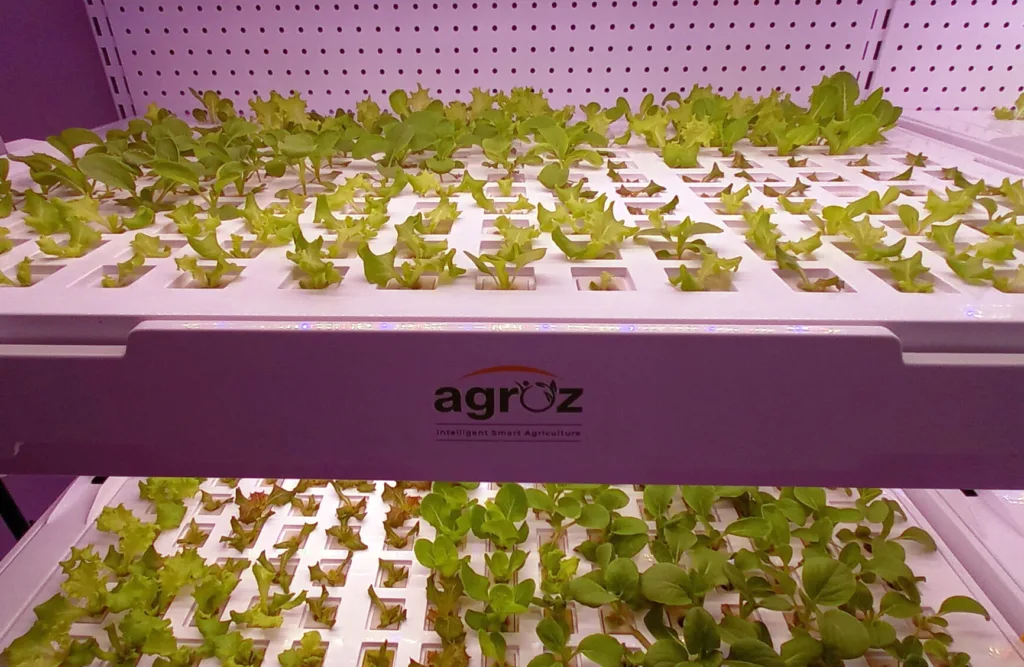
Image via Soya Cincau
This strategic utilization of limited land resources not only maximizes agricultural productivity but also reduces the need for transportation, consequently minimizing the carbon footprint associated with food production and distribution.
A Sustainable Solution For Food Security
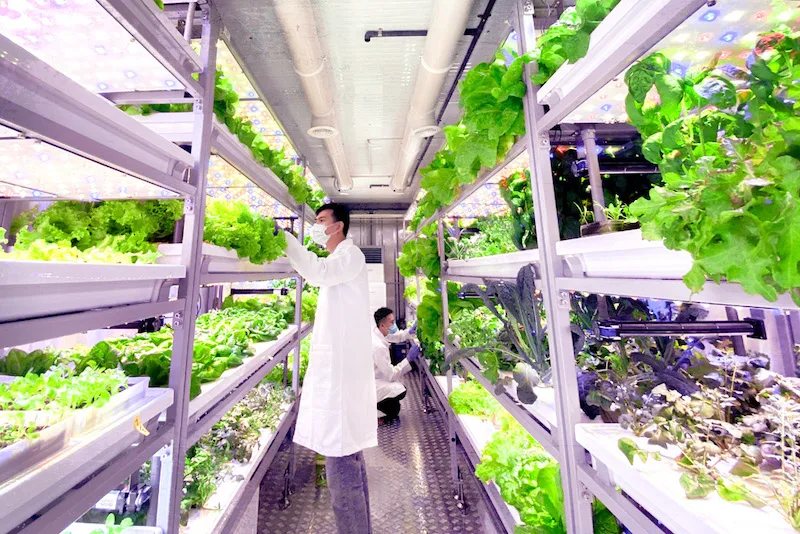
Image via The Malaysian Reserve
One of the key advantages of indoor vertical farming lies in its profound impact on urban families’ economic feasibility and self-sufficiency. By bringing food production closer to urban centers, this concept enhances accessibility to fresh, locally grown produce while simultaneously reducing dependency on external food sources. Moreover, the resilience of local food systems is strengthened, ensuring greater food security for urban communities.
In Malaysia, numerous indoor vertical farming projects have embraced hydroponic and aeroponic systems as their preferred cultivation methods. These systems facilitate the growth of plants in nutrient-rich water or mist, eliminating the need for soil.
Notably, hydroponic and aeroponic systems offer unparalleled efficiency by requiring minimal water, space, and time compared to conventional farming techniques. This efficiency not only translates into higher yields but also contributes to resource conservation and sustainability in agriculture.
Transforming Malaysia’s Agricultural Landscape
As the momentum behind indoor vertical farming continues to build, it holds the potential to transform Malaysia’s agricultural landscape and redefine the future of food production. By harnessing innovative technologies and sustainable practices, indoor vertical farming offers a viable solution to the pressing challenges of food security, environmental sustainability, and economic resilience.
As stakeholders increasingly recognize the benefits of this approach, the journey towards a more sustainable and self-sufficient food system in Malaysia gains momentum, promising a brighter and more resilient future for all.