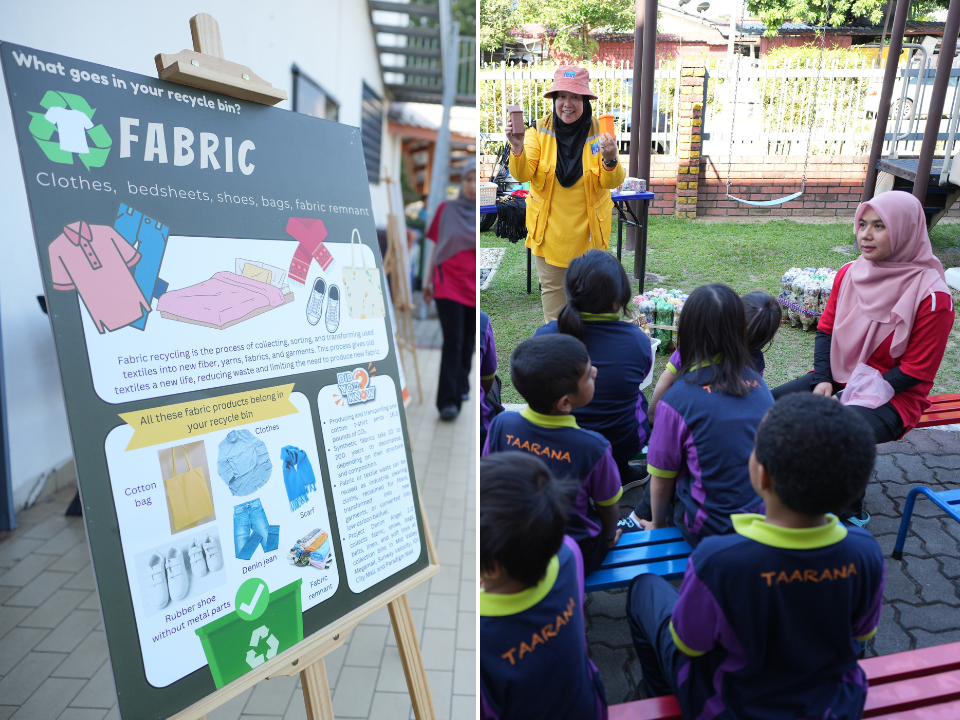
When recycling stops being a concept on paper and becomes something you touch, build, and live, learning changes forever. That’s exactly what unfolded at Taarana this World Environmental Education Day 2026, where sustainability wasn’t taught, but experienced.
A New Way To Learn Sustainability
On 26 January 2026, Taarana, an award-winning education centre for children with special education needs, marked World Environmental Education Day with a powerful message: environmental education works best when it’s inclusive, practical, and deeply human. The celebration brought together students, educators, and community partners through hands-on sustainability activities designed specifically for neurodivergent learners.
At the heart of the initiative is ‘The Magic of Recycling’, a thoughtfully designed workbook that transforms abstract environmental ideas into accessible, everyday actions.
Inside Taarana’s ‘The Magic of Recycling‘
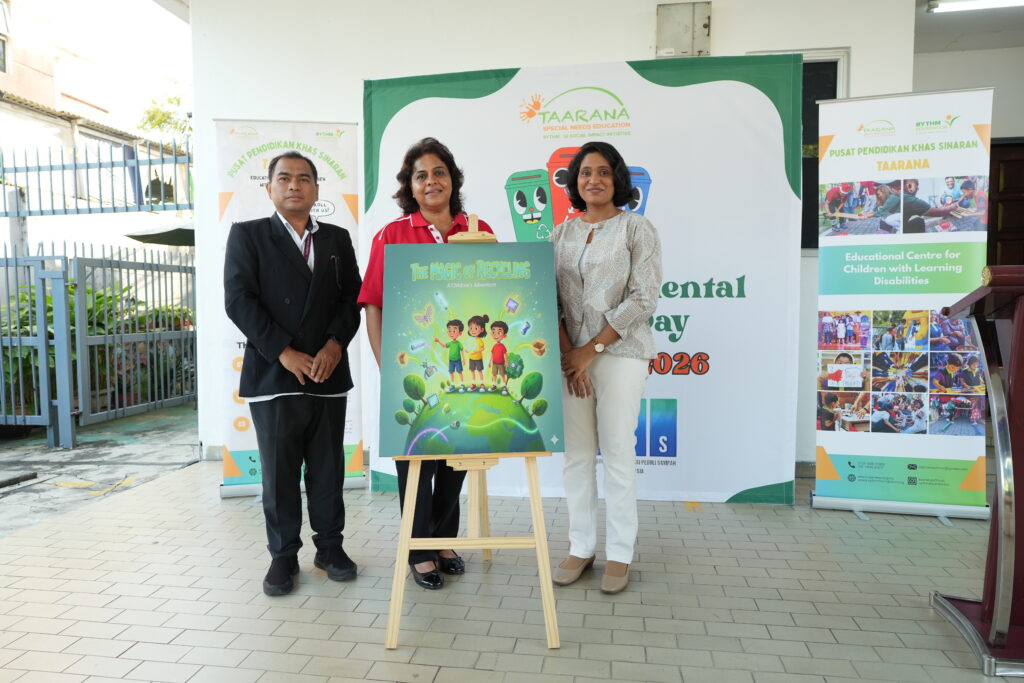
Authored by Taarana educator Joanne Mathilda John, Taarana’s The Magic of Recycling builds on the school’s ZeroWaste Project launched in 2024. The workbook combines storytelling, vibrant visuals, and tactile activities to help neurodivergent students understand recycling in a way that feels achievable and meaningful.
Rather than overwhelming learners with theory, the workbook invites them to participate, sorting materials, rethinking waste, and recognising how small actions can create real environmental impact. What began as a classroom resource has since grown into a community-wide advocacy tool, influencing families and local partners alike.
Learning by Doing, Not Memorising
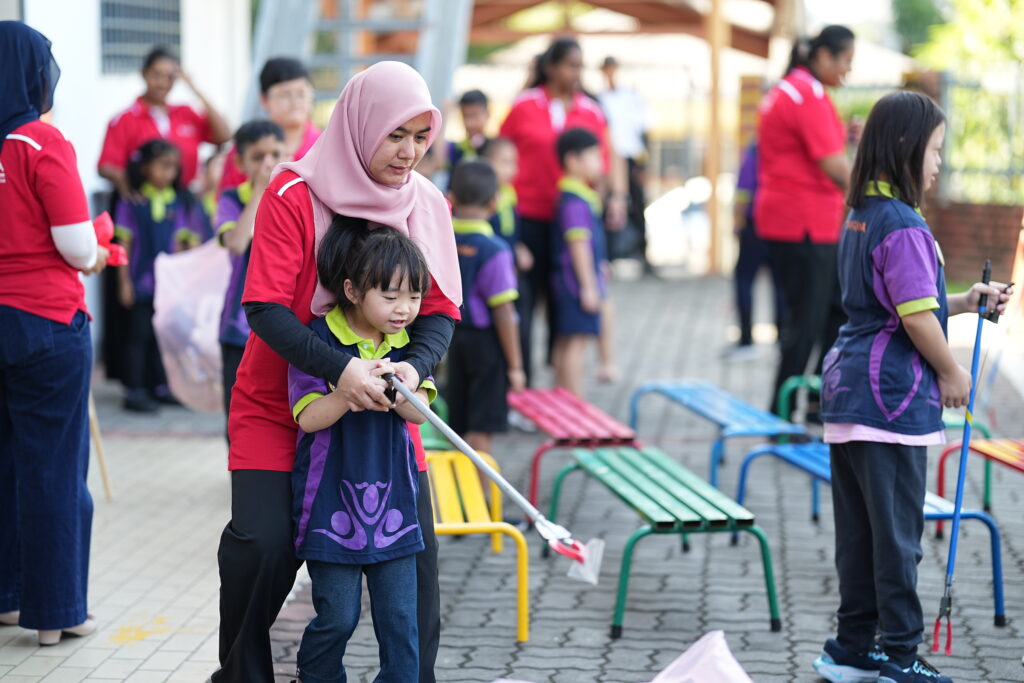
True to Taarana’s experiential learning philosophy, sustainability activities extended beyond the workbook. In collaboration with environmental NGO Generasi Peduli Sampah (GPS), students participated in e-waste collection, clothing and book donations, tree planting, and institute clean-ups.
These activities were carefully adapted to ensure participation across different learning needs, reinforcing confidence and cooperation through the spirit of gotong-royong. Repetition and structure helped students turn environmental awareness into lasting habits they can apply in daily life.
Building An Inclusive Environmental Future
Beyond recycling, the initiative reflects Taarana’s broader commitment to holistic education, balancing knowledge, empathy, and social responsibility. The programme aligns with Malaysia’s National Policy for Persons with Disabilities and UNESCO’s Education for All framework, demonstrating how sustainability education can (and should) be inclusive.
By integrating this initiative into real-world experiences, the school is proving that environmental stewardship is not limited by learning differences. Instead, it thrives when education meets learners where they are.
As Taarana’s World Environmental Education Day celebration shows, sustainability becomes truly powerful when everyone is given the tools to participate… and no one is left behind.