
The rain feels comforting… until the fever hits. Every year, as umbrellas open and puddles quietly gather, clinics begin seeing a familiar pattern: patients arriving with fever and the same uneasy question: “Doctor, could this be dengue?”.
According to Dr Ting Pey Woei, Consultant Internal Medicine Physician at Columbia Asia Hospital Batu Kawan, dengue cases consistently rise during the rainy season, often catching people off guard because the illness doesn’t always look serious at first. That early misunderstanding, she warns, is where danger begins.
Why Dengue Spikes During The Rainy Season
Rain creates the perfect breeding ground for Aedes mosquitoes, the main carriers of dengue. Water collects in flower pots, containers, clogged drains, and even bottle caps, clean, stagnant water that mosquitoes love. As mosquito populations rise, so do dengue cases.
However, not every rainy-season fever is dengue. Many viral illnesses circulate during this time, which is why early medical assessment and blood testing are essential. A simple test such as the NS1 antigen can quickly distinguish dengue from other infections and guide proper care.
Early Dengue Symptoms Often Look Harmless… Until They Aren’t
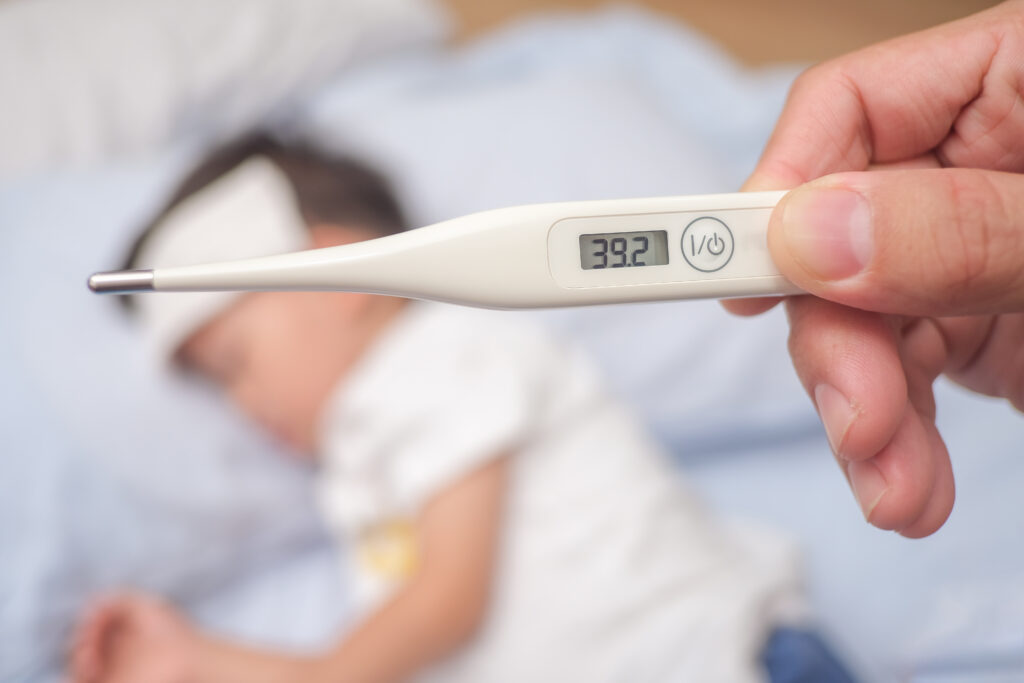
Image via ABC Color
Dengue symptoms usually appear three to seven days after a mosquito bite. Early signs may include sudden high fever, severe headache, pain behind the eyes, body aches, fatigue, and loss of appetite. Some patients also develop a mild rash.
Because these symptoms resemble flu or viral fever, many people choose to “wait it out.” That delay can be risky. If a fever lasts more than two days, especially with strong body pain or worsening weakness, it’s time to see a doctor and get tested.
The Most Dangerous Phase Is When the Fever Goes Down
One of the most misunderstood aspects of dengue is when it becomes dangerous. Many assume improvement begins when the fever drops. In dengue, the opposite can be true.
The critical phase often starts as the fever settles. Warning signs include persistent vomiting, abdominal pain, bleeding gums, blood in urine or stool, dizziness, or unusual sleepiness. These symptoms may signal internal bleeding or severe dehydration and require urgent medical attention.
Myths, Mistakes, And What Actually Saves Lives
Several myths continue to delay proper dengue treatment. Papaya leaf juice is not a proven cure, and dengue can occur even in spotless homes. Another dangerous misconception is believing recovery begins once the fever drops.
What truly helps is early testing, close monitoring, and proper hydration. Doctors track platelet levels and hematocrit daily to detect complications early. Patients should avoid medications like ibuprofen or aspirin, which increase bleeding risk, paracetamol is the only safe option for fever management. With early care, most dengue patients recover fully within one to two weeks.
Dengue Doesn’t Need Panic
…It needs awareness. During the rainy season, listen closely to your body, act quickly when fever lingers, and never ignore warning signs. Prevention starts at home with weekly water checks, mosquito control, and community effort. When caught early, dengue is manageable. When ignored, it can be life-threatening. The choice is often made in the first few days.