When RM100 lands in your account, it may not feel life-changing, but for millions of Malaysians, it quietly determines what ends up on the dinner table. As Sumbangan Asas Rahmah (SARA) returns in 2026, the cash aid is doing more than easing festive spending pressures. It is reshaping how households define value, rely on trusted brands, and navigate rising everyday costs.
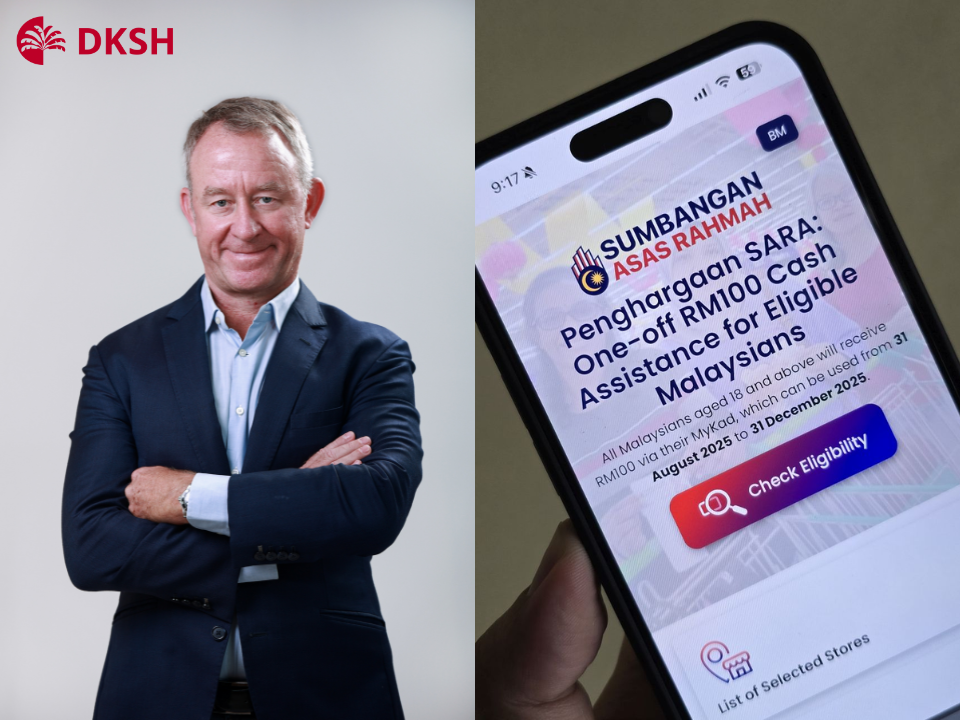
In this piece, Daniel Schwalb, Vice President of FMCG at DKSH Malaysia, shares insights on how the 2026 SARA cash aid highlights the evolving FMCG landscape, particularly as affordability, access and quality become non-negotiable for consumers. Credited on 9 February ahead of Ramadan and Chinese New Year, SARA once again places everyday essentials firmly under the spotlight.
SARA 2026 Is a Reality Check For The FMCG Industry
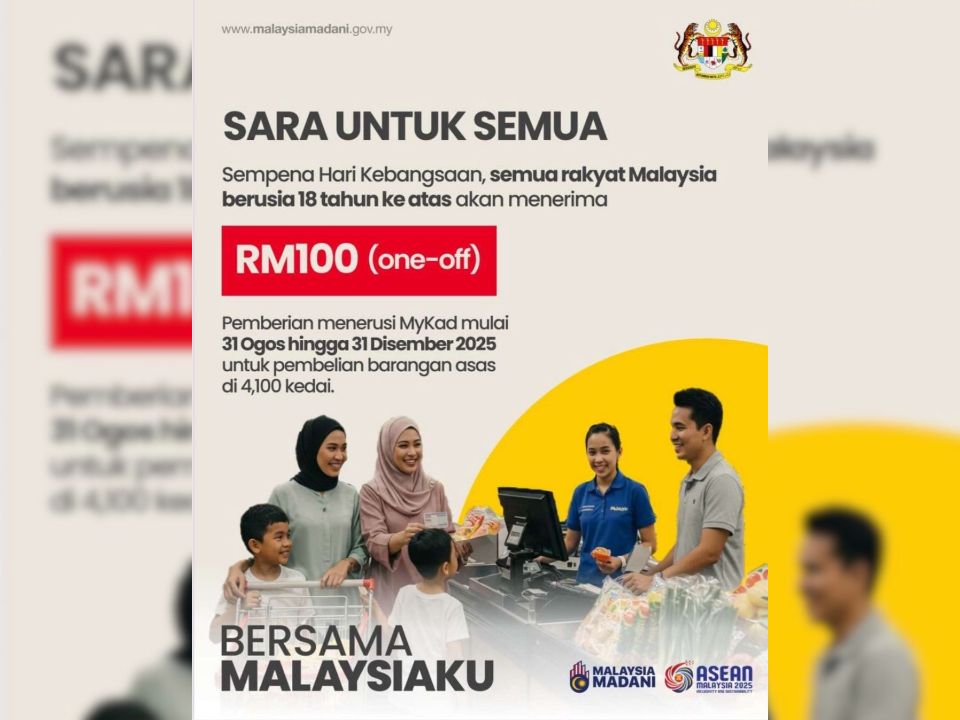
The scale of SARA is impossible to ignore. In 2025, 21.2 million Malaysians received the aid, with a remarkable 96% utilisation rate. That translated into nearly RM2.1 billion spent on essentials, and RM50 million was used within the first 24 hours alone.
These numbers tell a clear story: Malaysians act quickly when help arrives, not out of impulse, but out of necessity. For companies operating behind the scenes, like DKSH Malaysia, SARA is a live demonstration of how closely household resilience is tied to consistent access to essential goods, especially when costs rise during festive seasons.
Stretching RM100 Means Rethinking “Value”

SARA covers 14 essential categories, from rice and noodles to cooking oil, spreads and seasonings. With limited funds, households are forced to prioritise items that deliver more than a single meal.
True value, as seen during previous SARA cycles, is not about chasing the lowest price tag. It is about utility, nutrition and versatility. Staples like sauces, cooking oil and spreads stretch across multiple meals and routines. A product that works for breakfast, lunch and dinner often outperforms a one-time bargain.
Even items such as biscuits and breakfast beverages play a meaningful role. They offer familiarity and comfort, particularly for children, without adding complexity to already stretched daily schedules. These small decisions determine how far RM100 can realistically go.
Urban Or Rural, Trust Matters More Than Ever
While SARA reaches every adult Malaysian, its impact looks different depending on geography.
Urban households may plan purchases carefully, stock up or selectively upgrade. In rural and semi-urban areas, the aid often provides reassurance, a safety net that ensures basic needs will be met.
What unites both groups is a heightened focus on trust. When budgets tighten, consumers return to brands they recognise, rely on and have used before. In these moments, consistency becomes just as important as affordability. Products that deliver the same quality, every time, earn loyalty that outlasts aid cycles.
Distribution And Local Brands Keep the System Moving
Affordability means little without access. Ensuring products reach shelves requires a distribution network that works quietly but relentlessly.
Supporting fulfilment across 7,300 selected stores nationwide is not just a logistical exercise. It is about equity, especially during festive periods when demand spikes sharply.
Local brands such as EVA and Buttercup illustrate how relevance and affordability intersect. Developed with Malaysian households in mind, these products reflect real consumption habits. Smaller tubs and versatile formats are not marketing tactics; they are responses to how families actually live and spend.
Local manufacturing also strengthens supply resilience, keeping essentials available even during periods of volatility.
The Real Lesson Of SARA Is Consistency, Not Crisis Response
SARA is often viewed as a short-term spending boost. But for the FMCG sector, its deeper lesson lies elsewhere.
Households build confidence when trusted products remain accessible and fairly priced beyond aid periods. Over time, that confidence becomes loyalty, driven not by promotions alone, but by reliability, transparency and fairness.
As price sensitivity becomes a defining feature of 2026, the industry must respond with empathy and pragmatism: offering suitable pack sizes, investing in smarter logistics, and prioritising products that reflect local habits and routines.
Affordable quality is no longer a bonus. It is the baseline. And as another SARA cycle unfolds, the responsibility to meet that standard has never been clearer.