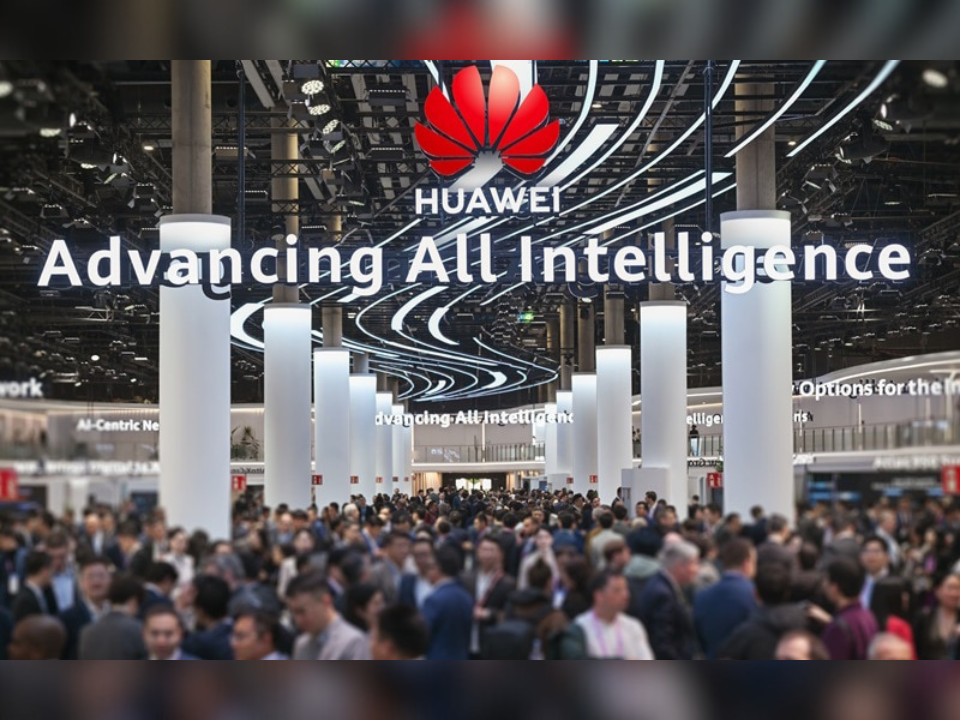
If the future of connectivity had a sound, it would probably echo through Hall 1 of MWC Barcelona this week. At MWC Barcelona 2026, Huawei stepped into the spotlight with a bold message: the intelligent era is no longer coming, it’s already here. And at the heart of it all? A powerful push into U6 GHz innovation.
With its theme “Advancing All Intelligence,” Huawei showcased how U6 GHz and AI-driven networks are set to transform industries, empower carriers, and prepare the world for the leap from 5G-A to 6G.
U6 GHz Takes Center Stage In The 5G-A Evolution
Huawei’s launch of its all-scenario U6 GHz products signals a major move to unlock the full potential of 5G-Advanced (5G-A). According to the company, the next five years represent a crucial window to scale 5G-A globally — and U6 GHz is key to making that happen.
By leveraging the U6 GHz band, Huawei aims to maximize spectrum value, deliver high uplink capabilities, and create high-capacity, low-latency networks optimized for mobile AI applications. In simpler terms: faster speeds, smoother experiences, and stronger support for AI-powered services.
The momentum is already visible. There are 70 million 5G-A users worldwide, and in China alone, Huawei has supported carriers in delivering contiguous 5G-A coverage across 270 cities. More than 30 provinces have introduced monetized 5G-A packages, showing that enhanced connectivity is not just technical progress, it’s a business opportunity.
U6 GHz is designed to ensure that as demand for mobile AI applications surges, networks won’t just cope, they’ll thrive.
AI-Centric Networks: Building Intelligence Across Three Layers
Beyond spectrum innovation, Huawei introduced enhanced AI-Centric Network solutions to prepare carriers for what it calls the “agentic era.”
At the service layer, Huawei enables multi-agent collaboration platforms. These specialized AI agents support calling services, experience monetization, and home broadband, transforming traditional telecom services into intelligent and adaptive systems.
At the network layer, Huawei is accelerating deployment of its L4 Autonomous Driving Network (ADN L4). By the end of 2025, single-scenario ADN solutions had already been commercially deployed on more than 130 telecom networks worldwide. The next step? Moving toward end-to-end autonomy within single domains, boosting operational efficiency and service quality.
At the network element (NE) layer, innovations focus on algorithm optimization for RANs, intelligent service identification for WANs, and unified service intent for core networks. These improvements enhance energy efficiency, spectral efficiency, and network resilience.
SuperPoDs And The Computing Backbone For An Intelligent World
Connectivity alone isn’t enough in the AI era. Massive computing power is equally essential.
For the first time outside China, Huawei showcased its SuperPoD cluster solutions at MWC. Among the highlights were the Atlas 950 SuperPoD for AI computing, the TaiShan 950 SuperPoD for general-purpose computing, and other advanced server solutions.
These systems introduce innovations like UnifiedBus interconnect technology, addressing the need for stronger compute performance and lower latency, especially as trillion-parameter AI models become more common in production environments.
Huawei emphasized its commitment to open source and open access collaboration, working with partners worldwide to build a broader computing ecosystem that supports intelligent transformation across industries.
Beyond Networks: Enterprise, Consumer, And Digital Inclusion Impact
Huawei’s presence at MWC Barcelona 2026 extended beyond carriers.
In the enterprise space, the company presented 115 industrial intelligence showcases and unveiled 22 new solutions developed jointly with partners. Its SHAPE 2.0 Partner Framework further reinforces ecosystem collaboration to accelerate intelligent transformation across sectors.
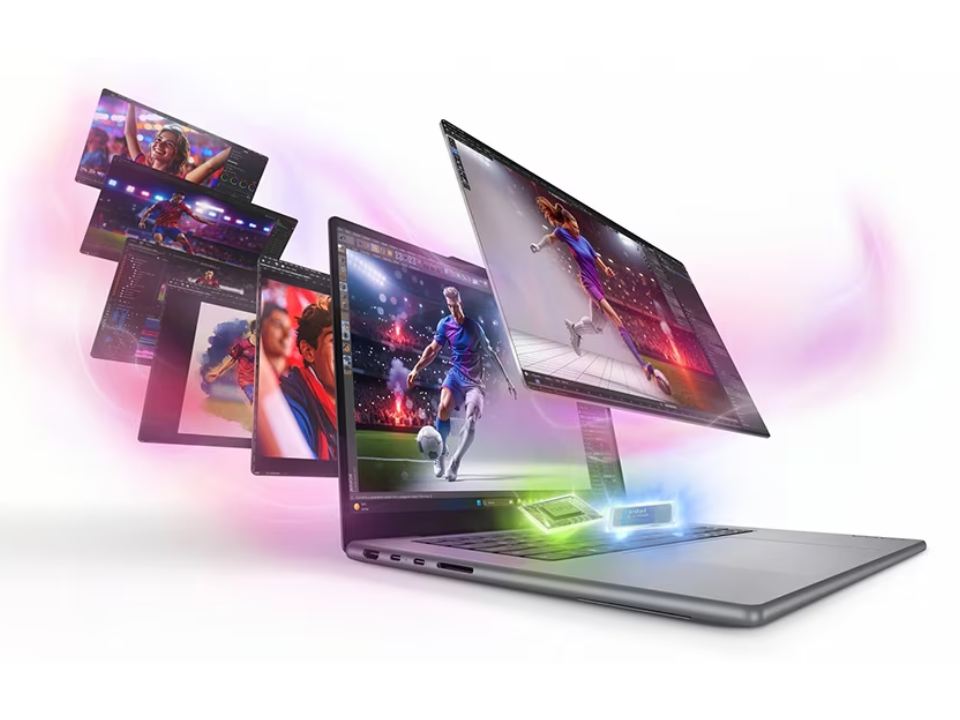
On the consumer front, under the theme “Now is Yours,” Huawei displayed its latest smartphones, wearables, tablets, PCs, and earphones, all enhanced with AI capabilities.
Importantly, Huawei also shared progress on digital inclusion. By the end of 2025, the company had helped provide connectivity to 170 million people in remote areas across more than 80 countries — narrowing the digital divide and expanding access to inclusive digital services.
As the agentic era approaches, Huawei is positioning itself (alongside global carriers and partners) to build intelligent networks and computing backbones that will shape a fully connected future. And if the energy in Barcelona is any indication, that future is closer than we think.
Keep updated on Huawei at the MWC 2026 here!