
Many graduates today face a common challenge. They leave university with knowledge, but not always with a clear understanding of workplace expectations.
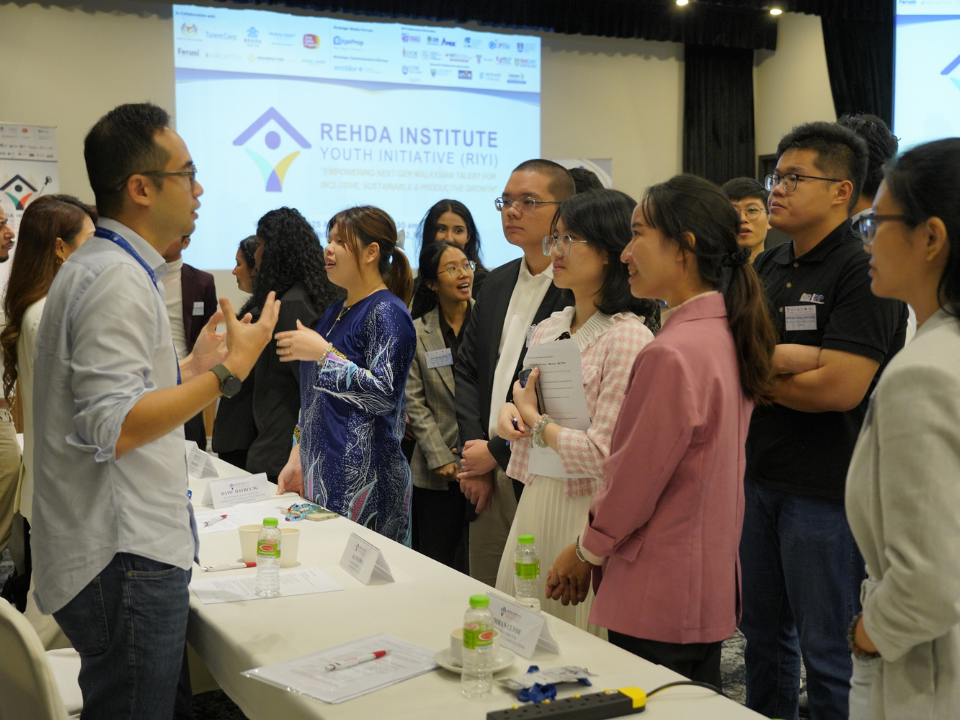
The REHDA Institute Youth Initiative 2026 is one effort to address this gap. The programme recently held its first mentorship session, bringing students closer to real industry experience.
Bridging the Gap Between Study and Work
The session gathered around 50 students from more than 15 universities across Malaysia. They had the chance to engage directly with industry leaders from the built-environment sector.
Instead of focusing only on theory, the programme introduces students to practical career paths. It also helps them understand how different roles contribute to the wider industry.
This kind of early exposure can make the transition from university to work smoother.
Addressing Skills Gaps in the Workforce
Malaysia has made progress in reducing graduate unemployment. However, underemployment remains a concern.
According to recent data, more than 1.6 million graduates are still working in roles that do not match their skills. This shows a gap between what students learn and what employers expect.
Programmes like RIYI aim to close this gap. By connecting students with professionals early, it helps align expectations on both sides.
A Structured Mentorship Approach
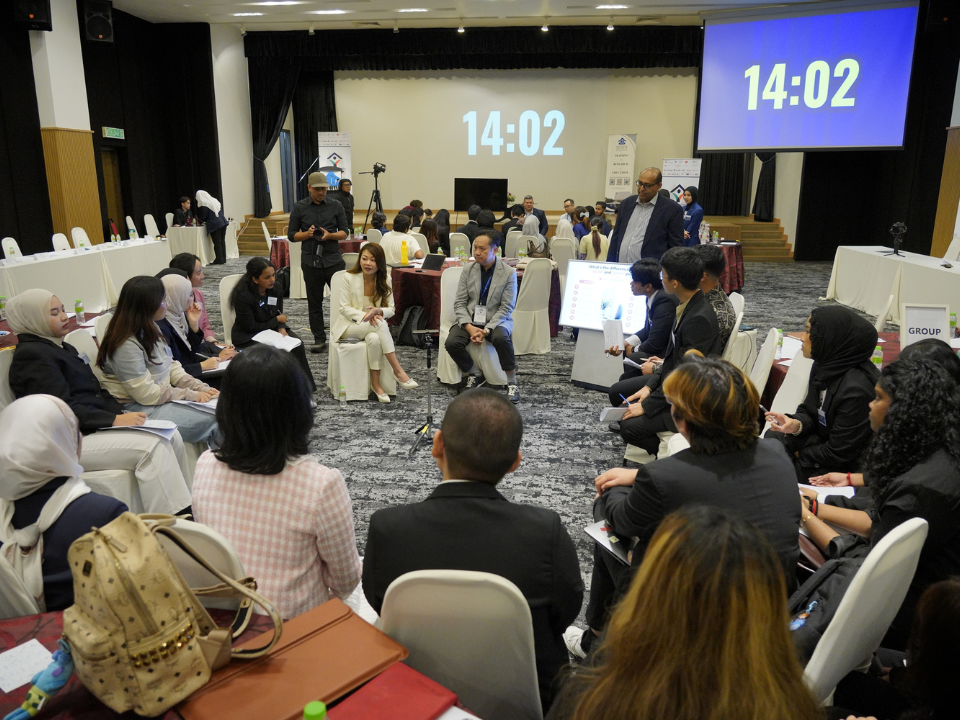
The REHDA Institute Youth Initiative is not a one-time event. It is designed as a structured programme with three sessions throughout 2026.
The first session focuses on early career awareness. Future sessions will explore productivity mindset, career growth, and leadership development.
This step-by-step approach allows students to build confidence over time, rather than learning everything at once.
Industry Collaboration at the Core
One of the key strengths of the programme is its collaboration with industry players.
Companies across the built-environment ecosystem, including property developers and related sectors, are involved. This gives students a broader view of career opportunities.
The sector itself is significant. It employs over 300,000 graduates and supports more than 140 related industries. This highlights why preparing talent for this field is important for Malaysia’s economy.
Building Future Talent Pipelines
From an industry perspective, programmes like this are not just about helping students. They also help companies identify and develop future talent.
Early engagement allows employers to shape skills, build relationships, and support long-term workforce planning.
For students, it means gaining clearer direction and stronger confidence before entering the job market.
Strengthening Malaysia’s Human Capital
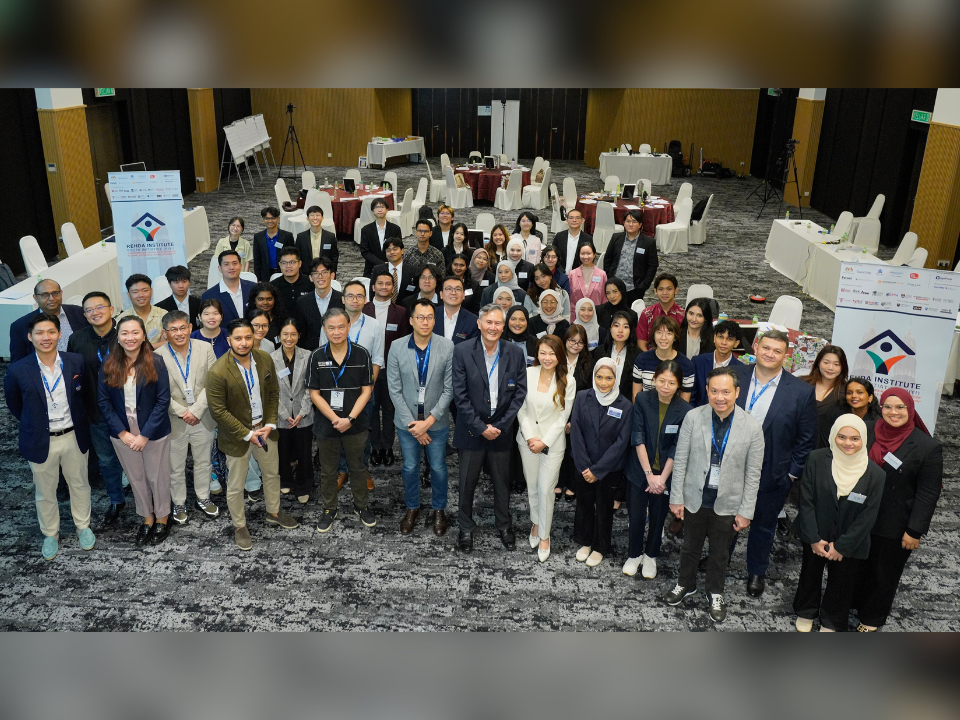
The REHDA Institute introduced this initiative as part of a broader effort to support Malaysia’s human capital development.
By linking universities with industry, it creates a more connected system. Students are not learning in isolation. They are preparing for real-world demands.
This approach supports long-term national goals, including improving productivity and maintaining competitiveness.
Looking Ahead
The next sessions, scheduled for June and September, will continue to build on the foundation set earlier.
As the programme grows, REHDA Institute plans to expand participation and make it an annual initiative. This could allow more students across Malaysia to benefit from early industry exposure.