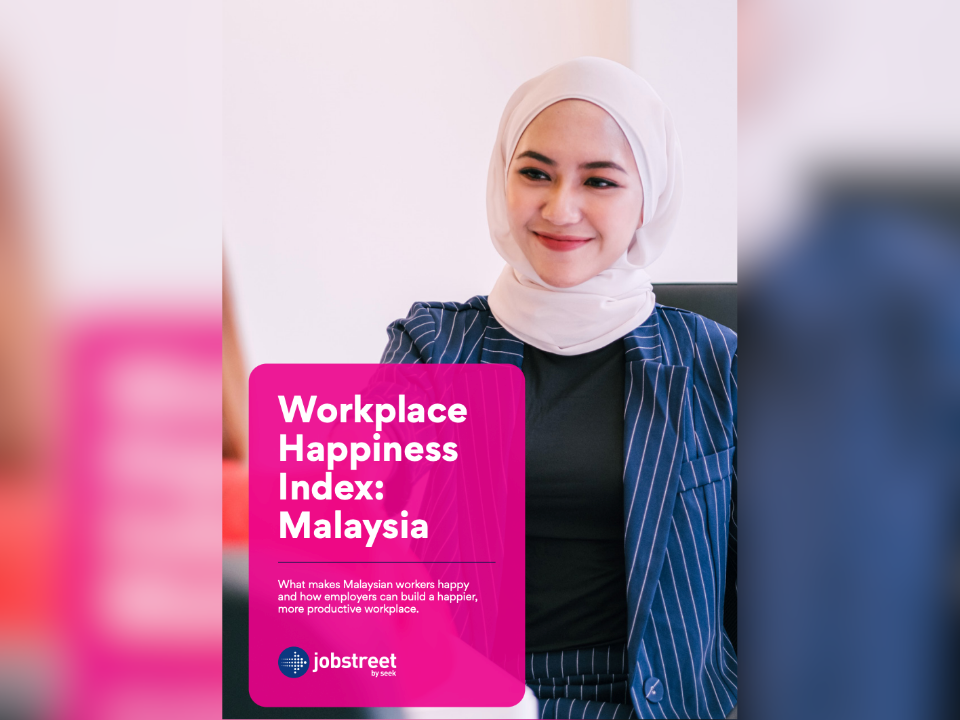
A recent study by Jobstreet by SEEK shows that while most Malaysians feel happy at work, many are still dealing with stress and burnout behind the scenes.
According to the Workplace Happiness Index 2026, about 70% of workers in Malaysia say they feel somewhat or extremely happy in their jobs. However, the findings also reveal that this positive outlook comes with important challenges that employers need to address.
Happiness at Work Comes from Daily Experience
The study, based on responses from around 1,000 workers aged 18 to 64, highlights what makes employees feel happy in their jobs.
Many Malaysians say they are satisfied with their workplace environment, their colleagues, and their daily responsibilities. These simple but important factors help create a sense of stability and control at work.
In addition, 68% of workers find their jobs fulfilling, showing that many people still see value and meaning in what they do.
Stress and Burnout Remain a Concern

Despite the overall positive sentiment, stress levels remain a key issue. Only 36% of workers say they are satisfied with their stress levels.
At the same time, 41% report feeling burnt out or exhausted due to work. This shows that even employees who feel happy can still experience pressure in their daily routines.
The study also found that workers who are unhappy are twice as likely to experience burnout, highlighting the strong link between stress and overall job satisfaction.
Work Life Balance Matters More Than Ever
Among workers who feel unhappy, 71% say better work life balance would improve their happiness. This ranks just behind salary as a key factor.
This shows that while pay is still important, many employees are now looking for a healthier balance between work and personal life.
Unmanaged stress can affect not only wellbeing but also productivity and long term performance.
Purpose Plays a Key Role
The report highlights that purpose is one of the strongest drivers of workplace happiness.
In Malaysia, 64% of workers say they are satisfied with the sense of purpose they find in their jobs. Employees who feel that their work has meaning are more likely to stay engaged and motivated.
This suggests that companies should focus not only on salary but also on helping employees understand how their work contributes to a bigger goal.
Different Generations Face Different Challenges

The study also shows that workplace experiences vary across age groups.
Gen Z workers report lower levels of happiness and higher stress compared to older generations. Many are still adjusting to early career challenges and building their skills.
Industry also plays a role. Sectors such as Professional Services and Construction report higher happiness levels, while Retail, Hospitality, and some public sector roles face more challenges.
Building Better Workplaces
Jobstreet by SEEK highlights three key areas for employers to improve workplace happiness:
- Create a stronger sense of purpose in daily work
- Build supportive and positive work environments
- Understand and respond to different generational needs
These steps can help organisations create better experiences for employees while improving productivity and retention.
Learn More About the Report
Want deeper insights into workplace trends in Malaysia?
You can download the full Workplace Happiness Index report here: https://my.employer.seek.com/page/my-workplace-happiness-index-2026